Snorkel Coral Gardens
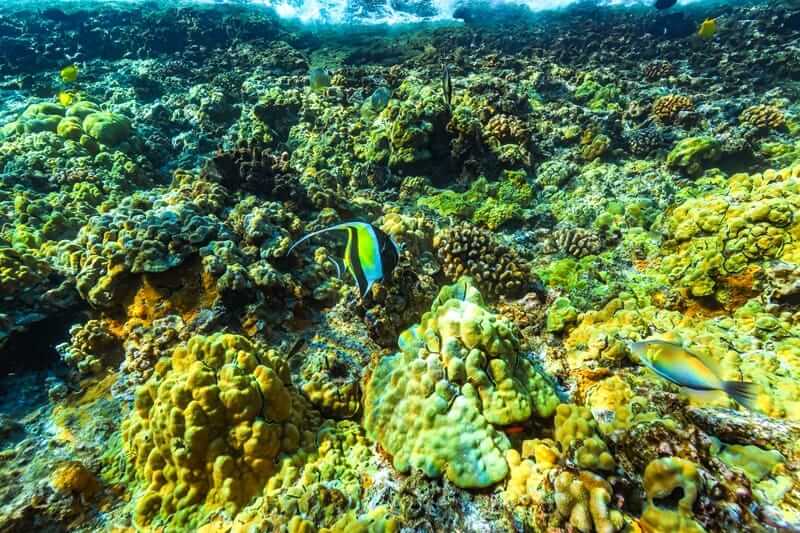
Coral Gardens is Maui’s largest reef, containing over 100 acres of some of Hawaii’s oldest reef structures. It’s one of West Maui’s most colorful snorkel sites—known for big coral heads, lava “fingers,” and frequent honu (Hawaiian green sea turtle) sightings. Because it sits along a steep cliff-lined coastline, it’s often a great choice when other spots get windy.
Want the simplest way to snorkel Coral Gardens? See this reef on our Afternoon Snorkeling Tour!
Quick Facts: Coral Gardens Maui
- Best for: Vibrant coral formations, easygoing snorkeling days, and spotting reef fish + honu
- Location: West Maui coastline near the Olowalu area (along the Pali/cliff stretch)
- How to visit: Most people experience Coral Gardens by boat (easiest + least guesswork)
- Conditions: Often more protected when trade winds build compared to more exposed snorkel sites
- Good for: Beginners to intermediate snorkelers (with basic comfort in open ocean)
- What you’ll see: Coral heads, lava formations, tropical reef fish, and sometimes turtles cruising the reef edge
- Wildlife rule: Give honu space—never touch, chase, or block their path
Where Is Coral Gardens?
Coral Gardens is located just south of Olowalu and Lahaina, facing the beautiful West Maui Mountains. The coastline turns dramatic—cliffs, lava fingers, and pockets of calmer water depending on the day. It’s close enough to shore to feel “near-shore,” but it’s not a casual “walk-in” beach snorkel for most visitors. This area was formed when lava flows spread across the ocean floor nearly half a million years ago. These volcanic ‘fingers’ provide the perfect environment for marine life to thrive, making it a top destination for snorkeling.
Why It’s a Favorite Snorkel Stop
Coral Gardens is popular for one simple reason: it packs a lot of “wow” into one snorkel session. You’ll often find healthy coral structure, clear viewing windows, and plenty of places for fish to feed and hide. The reef’s lava topography creates nooks, ledges, and corridors that feel like a natural underwater maze—perfect for slow, relaxed exploring.
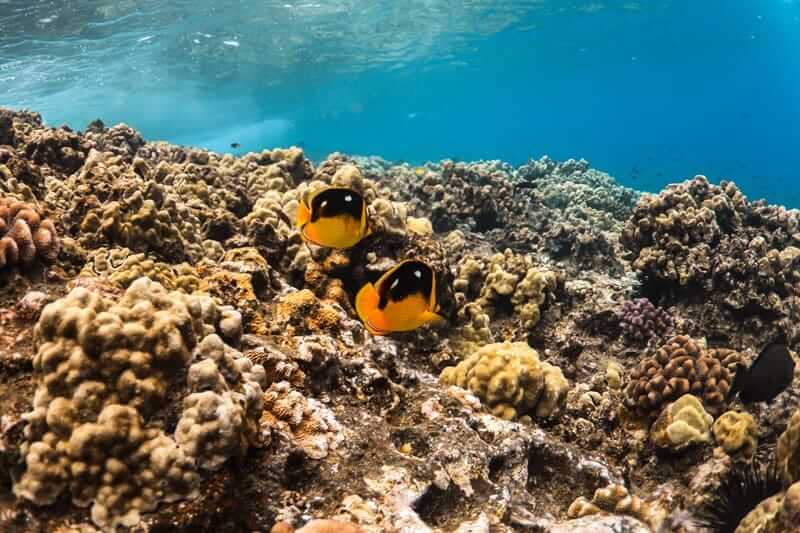
If you’re hoping for a spot that feels colorful and “alive,” Coral Gardens tends to deliver. The reef is home to many types of hard and soft corals. They show a stunning range of colors, shapes, and sizes. Each type plays a special role in the healthy underwater ecosystem.
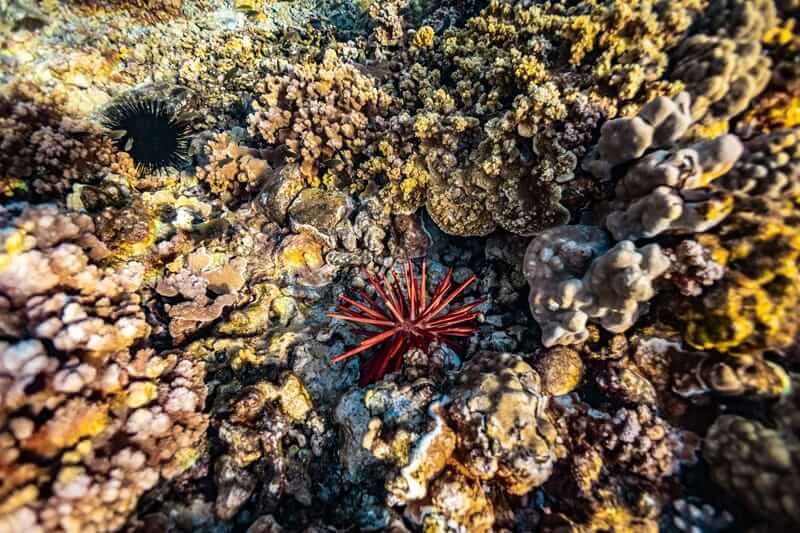
Hard corals, such as cauliflower, lace, and rice coral, are the main building blocks of the reef. Their stony calcium-carbonate skeletons provide essential habitat and shelter for many marine creatures. Their surface patterns look like maze-like whorls and branches, resembling tiny cities under the sea, full of life and activity.
Best Time To Snorkel
If you’re choosing a time of day, mornings are usually calmer across Maui overall. But Coral Gardens is also known as a smart afternoon option because the cliffs and coastline can provide shelter when trade winds rise.
Our practical rule of thumb:
- If you’re trying to snorkel from shore: go as early as you can and only in calm conditions.
- If you’re visiting by boat: Coral Gardens can be an excellent choice for an afternoon snorkel, depending on wind and swell.
Remember: conditions change day to day—wind, swell direction, and recent rain can all affect visibility.
What You’ll See At Coral Gardens
Wildlife sightings are never guaranteed, but Coral Gardens is known for strong reef life.
Common highlights:
- Tropical reef fish: butterflyfish, yellow tangs, parrotfish, triggerfish, and more
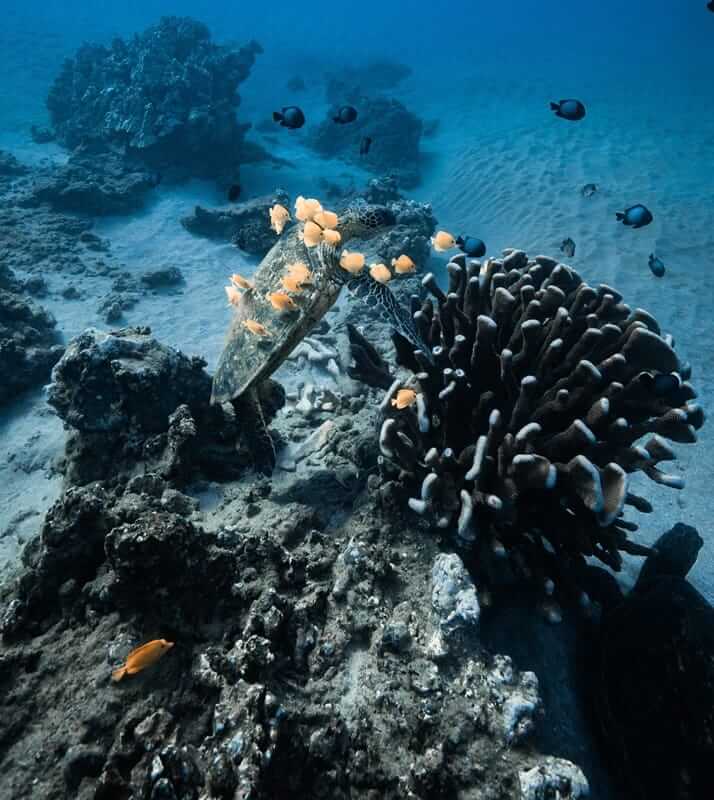
- Honu (Hawaiian green sea turtles): often cruising the reef edge or resting nearby
- Reef structure: large coral heads, coral patches, and lava “fingers.”
- The fun stuff: crevices, caves, and overhangs that create hiding spots for reef creatures (look—don’t touch)
Seasonal bonus (from the boat): In winter, you may spot humpback whales in the distance while underway.
Reef Safety + Turtle Etiquette
Coral Gardens is stunning because the reef is alive—help keep it that way.
Simple rules that protect the reef:
- Don’t stand on coral (even “dead-looking” reef can be alive)
- Keep fins up near shallow areas
- Use reef-safe sunscreen (or wear a rashguard for easier sun protection)
- Never feed marine life
Turtle etiquette (honu):
- Give turtles space—do not touch, chase, surround, or block their route to the surface
- If a turtle approaches you, stay calm, stay still, and let it pass
See injured / stranded wildlife? Save the number in your phone before you snorkel: (888) 256‑9840
See Coral Gardens On Our Afternoon Snorkeling Tour
Want to snorkel Coral Gardens without the crowds and without guessing conditions? Our afternoon trip is a simple way to get out on the water, get support from the crew, and enjoy this reef when it’s looking its best.
Afternoon Tour Details:
- 3‑hour tour (early afternoon)
- Departs from Maʻalaea Harbor
- Lunch included
- Gear + flotation provided
- One snorkel stop (usually Coral Gardens; sites may vary with conditions)
GOOGLE REVIEWS
FAQs
Can you snorkel Coral Gardens without a boat?
Where is Coral Gardens in Maui?
What’s the best time of day to snorkel Coral Gardens?
Is Coral Gardens good for beginners or kids?
Is Coral Gardens a good afternoon snorkel spot?
What marine life can you see at Coral Gardens?
How close can you get to sea turtles at Coral Gardens?
What should I bring for Coral Gardens snorkeling?
Written by the Maui Snorkeling team, operating Molokini Crater, Turtle Town, and Coral Garden tours out of Maʻalaea Harbor since 1985. Tours are led by USCG‑licensed captains aboard a USCG‑inspected passenger vessel. We spend more days in these waters than on land. Last updated: January 2026