The 2023 wildfires changed Maui forever. Lahaina lost homes, businesses, historic places, and loved ones. Families are still rebuilding, local workers are still recovering, and many businesses are still navigating a new reality.
At the same time, Maui is not closed. Many beaches, hotels, restaurants, farms, shops, harbors, and tours across the island are open and welcoming visitors. The question is not only whether you can visit Maui. The better question is how to visit in a way that helps.
Thoughtful travel matters. When you choose local restaurants, book responsible tours, stay in legal lodging, tip service workers, and respect places that are still healing, your trip can support the island rather than add strain.
What it’s like to visit Maui now
In 2026, most visitor areas on Maui are open, including much of South Maui, Central Maui, Upcountry, North Shore, and many parts of West Maui outside restricted recovery zones. Visitors can still enjoy beaches, snorkeling, hiking, dining, farm tours, luaus, shopping, and scenic drives when conditions are safe.
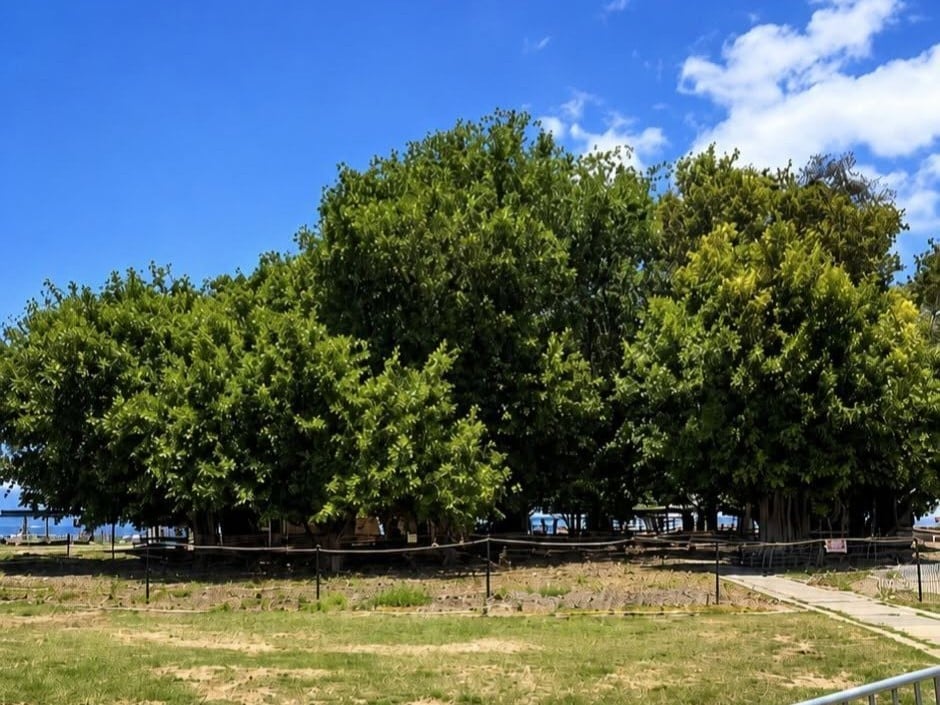
Lahaina is different. Some businesses and nearby areas have reopened, but the historic town core is still in active recovery. Access can change as rebuilding, permitting, infrastructure work, and community needs evolve. Follow posted signs, respect barriers, and don’t enter areas that are closed to the public.
It’s also important to remember that Maui’s recovery is not just economic. It’s emotional, cultural, and deeply personal. Visitors should bring patience, kindness, and flexibility. A respectful trip starts with understanding that your vacation takes place in someone else’s home.
Why tourism still matters to Maui’s recovery
Tourism is not the whole answer to Maui’s recovery, but it is still an important part of the island’s economy. Many families depend on jobs connected to hotels, restaurants, boat tours, retail shops, transportation, farms, activities, maintenance, and local services.
When visitor traffic drops, the impact spreads quickly. A quiet restaurant may cut staff hours. A local shop may delay hiring. A tour company may reduce trips. A farm stand may sell less produce. That is why thoughtful travel can help, especially when visitors choose small businesses and locally operated experiences.
The goal is not to crowd sensitive areas or ignore local pain. The goal is to support the parts of Maui that are open and asking for business while giving Lahaina and affected families the respect and space they deserve.
7 ways visitors can help Maui in 2026
1. Support locally owned businesses
One of the simplest ways to help is to spend locally. Eat at Maui restaurants, buy from local makers, visit farmers markets, book locally operated tours, and shop at small businesses instead of only national chains.
Look for businesses that are based on Maui, hire local workers, source local products, or give back to the community. Even small choices add up over the course of a trip.
2. Stay in legal accommodations
Book hotels, resorts, inns, or vacation rentals that are properly permitted. Legal lodging helps protect housing, supports tax revenue, and keeps your trip above board.
This matters because housing is one of Maui’s biggest recovery challenges. Don’t book unclear rentals, unpermitted stays, or anything that seems too good to be true. When in doubt, ask the host or property manager directly.
3. Respect Lahaina recovery areas
Lahaina is not a sightseeing stop for disaster photos. Don’t enter closed areas, don’t photograph damaged private property, and don’t ask residents painful questions about what they lost.
If you visit open businesses in West Maui, do so with care. Spend money where you’re welcomed, follow posted guidance, and remember that recovery looks different for every family and business.
4. Book responsible tours and activities
Choose activities that care for Maui’s land, ocean, wildlife, and culture. A good tour operator should talk about safety, reef protection, wildlife distance rules, and respectful behavior.
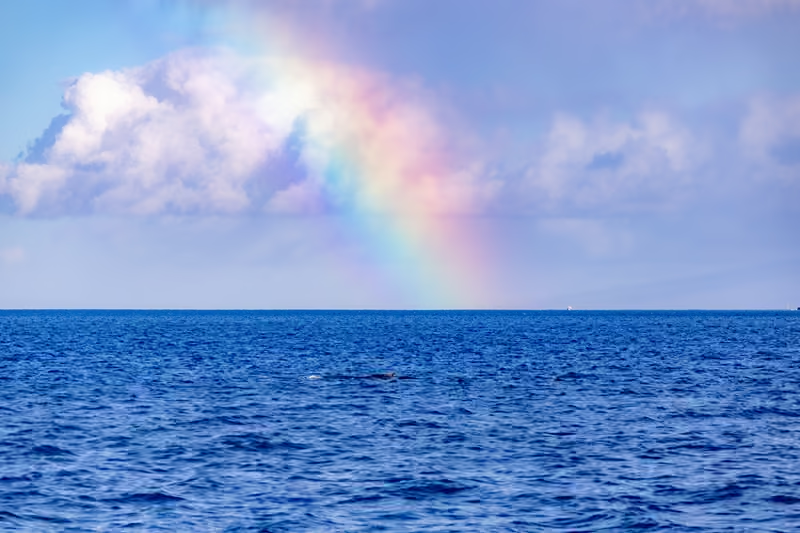
For ocean activities, that means listening to crew instructions, wearing mineral-based sunscreen when sunscreen is needed, never touching coral, and giving marine wildlife plenty of space. Maui’s reefs are part of what makes the island special, and they need visitors who treat them with care.
5. Tip well and be patient
Many visitor-facing workers are also living with Maui’s high cost of living, long commutes, housing stress, and post-fire impacts. Kindness goes a long way.
Tip restaurant servers, hotel staff, boat crews, drivers, guides, and activity workers when service is good. Be patient if a business is short-staffed, a road is busy, or plans change due to weather, ocean conditions, or local events.
6. Give back when it fits your trip
Not every vacation needs to become a volunteer trip, but many visitors want to do something helpful. Look for beach cleanups, reforestation days, donation drives, local nonprofits, and community-supported programs that welcome visitor help.
Keep it respectful. Choose organized opportunities, follow instructions, and don’t insert yourself into spaces meant for survivors unless you’ve been invited.
7. Share Maui with care
What you post online matters. Share open businesses, beautiful experiences, reef-safe travel tips, and respectful reminders. Avoid posting restricted areas, damaged homes, or content that turns recovery into entertainment.
Helpful visitors can shift the message from “Should people visit Maui?” to “Here’s how to visit Maui in a way that supports local people.”
Recent state data shows why this still matters. In February 2026, Maui welcomed 223,227 visitors, up 11.5% from February 2025, and visitor spending rose to $571.5 million, up 6.8% from the year before.
Best time to visit Maui during recovery
Maui is a year-round destination, but shoulder seasons are often a smart choice. Spring and fall can bring a calmer travel experience, more room at popular places, and steady support for local businesses outside peak holiday weeks.
April, May, September, October, and early November are often good months for visitors who want warm weather, open activities, and fewer crowds than the busiest winter and summer periods. Conditions still vary by day, especially for ocean activities, so always check the forecast and listen to local safety guidance.
If you’re planning a larger family trip, holiday trip, or school break visit, book early and build flexibility into your schedule. Maui is still healing, and thoughtful planning makes your trip easier for both you and the people serving you.
For more planning help, read our Best Time to Visit Maui guide.
Where your visit can make a positive impact
Visitors often think of Maui in terms of beaches and resorts, but your trip can support many parts of the island.
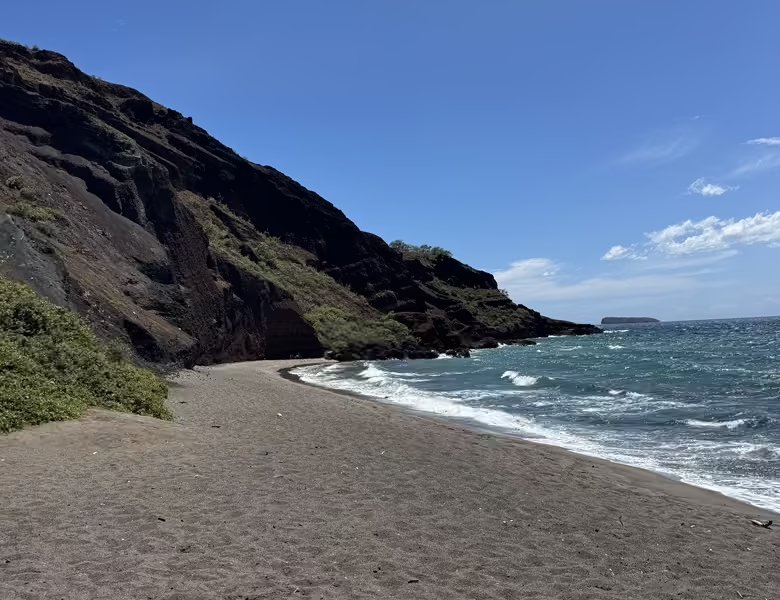
- South Maui: Kihei, Wailea, and Makena offer beaches, restaurants, shops, and ocean activities.
- Central Maui: Wailuku and Kahului have local restaurants, cultural stops, markets, and small businesses.
- Upcountry Maui: Farms, gardens, cafes, boutiques, and scenic stops help spread visitor spending beyond the shoreline.
- North Shore: Paia, Haiku, and nearby communities offer local food, shopping, beaches, and surf culture.
- West Maui: Open businesses in areas like Kaanapali, Napili, Kahana, and Kapalua still benefit from respectful visitor support.
The best approach is balance. Don’t overpack your itinerary or chase every viral spot. Pick a few meaningful experiences, support local businesses along the way, and leave room for rest.
What to avoid when visiting Maui
A helpful Maui trip is not only about what you do. It’s also about what you avoid.
- Don’t enter closed Lahaina recovery zones or ignore posted barriers.
- Don’t photograph damaged homes, private property, or survivors without permission.
- Don’t ask residents to relive trauma for your curiosity.
- Don’t block roads, driveways, beach access points, or emergency routes.
- Don’t trespass for photos, waterfalls, beaches, or hikes.
- Don’t touch coral, stand on reefs, chase turtles, or feed fish.
- Don’t assume every local person feels the same way about tourism.
Respectful travel is simple: listen more, take less, support local, and follow the rules.
What the 2026 Green Fee means for visitors
Starting in 2026, Hawaiʻi’s Green Fee increased the state Transient Accommodations Tax for hotels and vacation rentals. The goal is to help fund environmental stewardship, hazard mitigation, infrastructure resilience, and sustainable tourism efforts across the islands.
For visitors, this means lodging may cost a little more than it did before. It also means part of the visitor economy is being directed toward protecting the places people come to experience, including beaches, coastlines, natural resources, and climate resilience projects.
That does not replace personal responsibility. Visitors still need to conserve water, reduce waste, respect wildlife, use legal lodging, and support local businesses.
How to plan a thoughtful Maui trip
Before you book, think about the kind of impact you want your trip to have. A good Maui itinerary includes time for fun, rest, local food, ocean safety, cultural respect, and flexibility.
- Book early: Reserve tours, rental cars, restaurants, and lodging ahead of time during busy seasons.
- Check current updates: Review Maui County, Maui Recovers, weather, road, and ocean safety information before you go.
- Pack thoughtfully: Bring reef-conscious sun protection, reusable water bottles, light layers, and patience.
- Build in local spending: Plan meals, shopping, and activities with locally owned businesses.
- Stay flexible: Ocean conditions, weather, staffing, and road work can change plans quickly.
For a more detailed checklist, read our guide to visiting Maui responsibly in 2026. You can also use our Maui snorkeling packing list and Maui on a budget guide while planning your trip.
Final thoughts on visiting Maui with aloha
Maui’s recovery is still personal, complex, and ongoing. A thoughtful visit can help when it supports local people, respects sensitive places, and gives more than it takes.
Choose local restaurants, book with responsible tour operators, tip well, follow posted signs, and give Lahaina the space it needs to heal. When you visit with aloha, your Maui trip can be more than a vacation. It can be part of the island’s continued recovery.