Lahaina Pali Trail Maui Guide: Parking, Difficulty, And Views
March 21st, 2025
| Hikes & Land Adventures
Written by Maui Snorkeling, operating tours to Molokini Crater, Turtle Town, and Coral Gardens from Māʻalaea Harbor since 1985. Tours are led by USCG-licensed captains aboard a USCG-inspected passenger vessel.
Last updated May 29, 2026
Quick Answer
Lahaina Pali Trail is a rugged Maui hike known for ocean views, wind turbines, historic Old Pali Road features, and a challenging climb through hot, dry, rocky terrain. It’s best for prepared hikers who want a scenic workout, not an easy casual walk.
Main Takeaways:
Best Time To Go: Early morning for cooler weather, better light, and less intense sun
Trail Length: About 5.5 miles one way, so plan a pickup or turn around when you’re ready
Difficulty: Difficult, with rocky footing, steady elevation gain, strong sun, and little shade
Trailheads: Start from either the Maalaea side or the Ukumehame side
Best Views: Look for Maalaea Bay, Molokini, Kahoʻolawe, Lanai, wind turbines, and winter whale activity offshore
What To Bring: Plenty of water, sturdy shoes, sun protection, snacks, and a route plan
After The Hike: Cool off on our Afternoon Snorkeling Tour at Coral Gardens when ocean conditions allow
Aloha! If you're looking for a rugged Maui hike with ocean views, history, and a real workout, the Lahaina Pali Trail is one of the most memorable Maui trails to explore. This steep, sun-exposed route crosses the dry slopes between Maalaea and Ukumehame, offering wide views of the coastline, nearby islands, and the famous wind turbines along the ridge.
Locally known as the Old Pali Road, this trail is best suited to hikers comfortable with rocky footing, heat, wind, and steady elevation gain. You can also spot one of our favorite snorkeling locations, Coral Gardens, from parts of the road. If you’re planning an active outdoor day in Maui, the Lahaina Pali Trail is a great choice when you start early, bring plenty of water, and prepare for full sun.
Lahaina Pali Trail History And Why It Matters
The Lahaina Pali Trail follows part of Maui’s historic travel route between Lahaina and Maalaea. Often called the Old Pali Road, this path helped connect communities before the modern highway made travel faster and easier. Long before cars crossed this area, people used routes like this to move between districts, trade goods, and stay connected across the island.
Before the Honoapiilani Highway was completed in 1951, the old road through the pali was an important route across this rugged part of Maui. Today, the Lahaina Pali Trail offers hikers a chance to experience part of that history as they walk through dry, rocky terrain with sweeping views of the ocean and the West Maui coastline.
As you hike, stay on the marked trail and respect any historic features you see along the way. Don’t move rocks, pick up artifacts, or disturb old stonework. The trail is more than a scenic hike. It’s also a protected piece of Maui’s past.
Lahaina Pali Trail Quick Overview
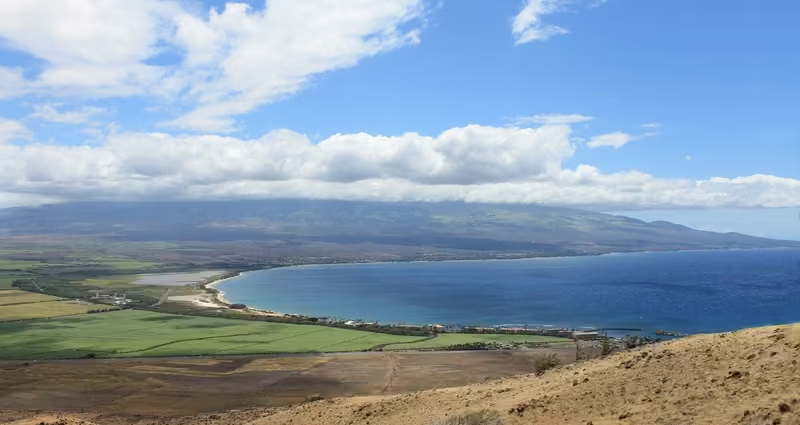
The Lahaina Pali Trail Maui experience is known for steep climbs, rocky terrain, strong sun, and big views. This isn’t a casual beach walk. It’s a challenging hike that rewards prepared hikers with views of Molokini, Kahoʻolawe, Lanai, Maalaea Bay, and the coastline below.
One of the most important things to know is that the Lahaina Pali Trail is not a loop trail. The full route runs between the Maalaea and Ukumehame sides. If you plan to hike the entire trail one way, you’ll need a pickup plan or a second car. Many visitors choose to hike partway up from one trailhead, enjoy the views, and return the same way.
How Long Is The Lahaina Pali Trail?
The Lahaina Pali Trail is about 5 miles one way, or about 10 miles if you hike out and back. Most hikers should plan several hours, especially because the trail is rocky, exposed, and uphill for long stretches. The official trail guide recommends allowing about four to five hours to hike the trail one way.
You can start from either the Maalaea Trailhead or the Ukumehame Trailhead. The Maalaea side offers beautiful views toward Maalaea Bay, Haleakala, and the central valley. The Ukumehame side is popular for ocean views, sunsets, and seasonal whale watching from shore during the winter months.
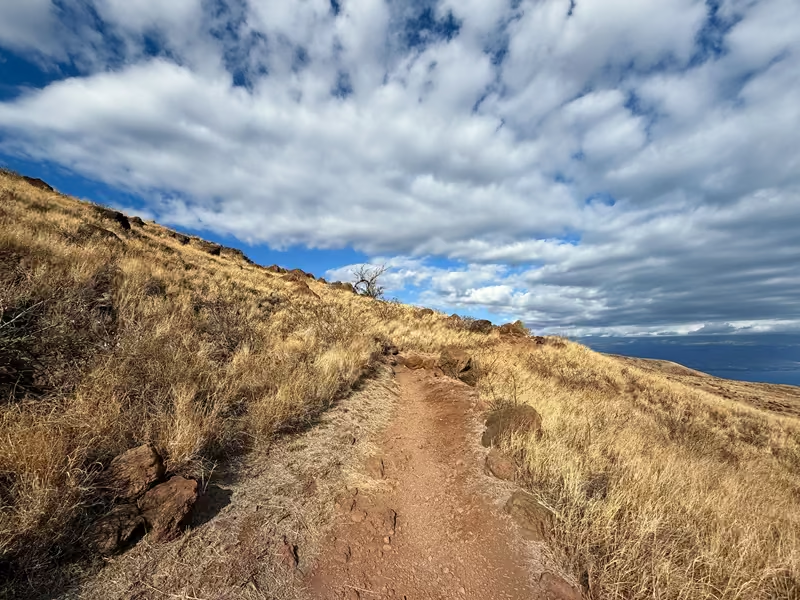
The word “pali” means “cliff” or “steep slope,” and this trail lives up to its name. Expect dry brush, lava rock, loose footing, tall grasses, and little shade. Along the ridge, you’ll also see the Kaheawa Wind Farm, one of the most recognizable landmarks on this hike.
Because the trail is exposed, it’s best to hike early in the morning. Bring more water than you think you’ll need, wear sturdy shoes, use reef-safe mineral sunscreen, and bring a hat. There are no restrooms along the trail, so plan ahead before you start.
The Lahaina Pali Trail is known for big ocean views, dry mountain slopes, and the wind turbines along Kealaloloa Ridge. As you climb, you’ll find open vantage points where you can look toward Maalaea Bay, the West Maui coastline, Kahoʻolawe, Lanai, and Molokini on clear days.
One of the most memorable parts of this hike is the contrast between old and new Maui. The Old Pali Road tells the story of early travel across this rugged area, while the Kaheawa Wind Farm adds a modern landmark to the ridge. It’s a great place to pause, take photos, and see how dramatic this side of Maui really is.
During winter whale season, you may also spot humpback whales offshore from higher sections of the trail. Sightings aren’t guaranteed, but the elevated views can be excellent from November through April, especially during the peak months of January through March.
You may also see old stonework and remnants of the historic route along the trail. Please enjoy these features from the path, but don’t move rocks, climb on old walls, or remove anything from the area. These details help preserve the story of the Lahaina Pali Trail for future hikers.
Plants, Whales, And Wildlife Along The Trail
The Lahaina Pali Trail is dry, rocky, sunny, and exposed. Instead of lush rainforest, expect scrub vegetation, tall grasses, lava rock, and hardy plants that can handle wind, heat, and dry conditions. After periods of rain, parts of the hillside may look greener, but it is still a hot, open trail with very little shade.
Wildlife sightings can vary by season and conditions. You may see seabirds overhead, small lizards along the rocks, or humpback whales offshore in winter. Bring binoculars if you’re hiking during whale season or if you enjoy watching birds from a distance.
This rugged landscape is part of what makes the trail special. Stay on the marked path, pack out everything you bring, and avoid stepping on fragile plants or disturbing historic features. The Lahaina Pali Trail is more than a scenic hike. It’s a historic Maui route through a tough, beautiful, and windswept landscape.
The Lahaina Pali Trail is a rugged, historic Maui route, so it’s important to treat the area with care. The trail crosses dry, rocky terrain with fragile plants, old road features, and wide-open slopes that are susceptible to heat, wind, and fire.
Help protect the trail by following these simple hiking rules:
Stay on the marked trail to protect plants, historic features, and dry hillside terrain.
Pack out every piece of trash, including snack wrappers, bottles, and fruit peels.
Don’t move rocks, stack stones, or disturb old walls along the Old Pali Road.
Watch wildlife from a distance and don’t feed birds or other animals.
Be courteous to other hikers, especially on narrow or rocky sections.
Avoid smoking or open flames because this dry area can have a high fire risk.
7 Best Lahaina Pali Trail Hiking Tips
Because this hike is hot, rocky, windy, and exposed, a little planning makes a big difference. Use these Lahaina Pali Trail hiking tips before you go.
Start early: Morning is usually the best time to hike because the trail has very little shade and can get hot fast.
Wear sturdy shoes: The trail has loose rocks, uneven footing, and steep sections, so hiking shoes or trail shoes are a smart choice.
Bring more water than you think you’ll need: There’s no water available on the trail, and the exposed terrain can make the hike feel harder.
Use sun protection: Wear a hat, sunglasses, and reef-safe mineral sunscreen, especially if you’re hiking during the middle of the day.
Check the wind and weather: The ridge can be very windy, and heavy rain can make rocky sections slippery.
Plan your route: Lahaina Pali Trail isn’t a loop. If you hike the full route one way, arrange a pickup or use two cars.
Bring your camera or binoculars: You’ll have great views of the coastline, wind turbines, nearby islands, and sometimes humpback whales during winter.
What To Do After Hiking Lahaina Pali Trail
After a hot and challenging hike, many visitors want an easier afternoon on the water. Since parts of the Lahaina Pali Trail overlook the coast near Coral Gardens, it’s a natural place to connect a Maui hiking day with a snorkeling experience.
Instead of snorkeling from an unfamiliar shoreline after a tiring hike, a guided tour can make the afternoon simpler. You’ll have gear, lunch, flotation options, and a crew that knows where conditions are best for the day.
Pair The Hike With A Maui Afternoon Snorkeling Tour
Our Afternoon Snorkeling Tour is a great fit if you want to hike the Lahaina Pali Trail in the morning and cool off afterward.
All-inclusive tour that runs daily from 1 PM to 4 PM.
Snorkel and slide at Coral Gardens when ocean conditions allow.
Enjoy tropical fish, colorful reefs, and clear water without planning all the details yourself.
Includes lunch and snorkeling gear, so it’s easy to relax after your hike.
Pairing Lahaina Pali Trail with an afternoon snorkel gives you both sides of Maui in one day: the rugged, historic slopes above the coast and the calm blue water below.
The Lahaina Pali Trail is open year-round, but the best time to hike is usually early in the morning. The trail is hot, dry, rocky, and exposed, with very little shade, so starting early helps you avoid the strongest sun and gives you more comfortable hiking conditions.
The cooler months, especially November through April, can be a great time to hike the Old Pali Road. You may still get sun, wind, and passing showers, but temperatures are often more comfortable than the hottest summer afternoons.
If you’re interested in whale watching, winter is the best season to hike this trail. From higher viewpoints, you may spot humpback whales offshore between November and April, especially during the peak months of January through March. Sightings aren’t guaranteed, but the ocean views can be excellent during whale season.
Other Maui Trails To Explore
The Lahaina Pali Trail is one of the more rugged Maui trails, but it’s just one way to explore the island on foot. If you want more hiking ideas, choose trails that fit your time, fitness level, weather, and the scenery you want to see.
For a different Maui hiking experience, you could explore coastal paths, waterfall areas, valley views, or high-elevation trails in Haleakala National Park. If you’re building a full Maui itinerary, our Maui hiking trails guide can help you compare options before you go.
You can also pair a hiking day with a scenic drive, especially if you’re planning to explore more of the island. Our Road to Hana guide is a helpful place to start if you want waterfalls, rainforest views, and a full-day Maui adventure.
FAQs
Yes, the Lahaina Pali Trail is considered a difficult Maui hike. The trail is rocky, steep, hot, windy, and exposed, with very little shade. It’s best for hikers who are comfortable with uneven footing and a steady climb.
The Lahaina Pali Trail is about 5.5 miles one way. If you hike out and back, it can be about 11 miles total. Many visitors choose to hike part of the trail, enjoy the views, and return the same way.
No, Lahaina Pali Trail isn’t a loop. It runs between the Maalaea side and the Ukumehame side. If you plan to hike the full trail one way, you’ll need a pickup plan or a second car.
You can start from either the Maalaea Trailhead or the Ukumehame Trailhead. Both sides offer great views, but the trail is exposed and challenging from either direction.
The best time to hike Lahaina Pali Trail is early in the morning. The trail gets hot quickly, and there’s very little shade. Cooler months, especially November through April, can also be more comfortable for hiking.
Yes, you may see humpback whales from higher parts of the Lahaina Pali Trail during winter whale season. Whale sightings are never guaranteed, but the elevated ocean views can be excellent from November through April, especially from January through March.
Bring plenty of water, sturdy hiking shoes, sun protection, snacks, and a fully charged phone. A hat, sunglasses, and binoculars are also helpful. There are no restrooms or water stations on the trail, so plan ahead before you start.
Lahaina Pali Trail is usually better for active older kids, teens, and adults than young children. The trail is steep, rocky, hot, and exposed, so families should only attempt it if everyone is prepared for a challenging hike.
Final Thoughts On Lahaina Pali Trail
The Lahaina Pali Trail is a memorable Maui hike for visitors who want ocean views, history, wind turbines, and a real physical challenge. It’s not the easiest trail on the island, but it’s rewarding when you come prepared with water, sturdy shoes, sun protection, and a smart route plan.
This trail gives you a different side of Maui. You’ll see dry slopes, rugged ridges, wide ocean views, and pieces of the island’s historic travel route. It’s a great choice if you want a hike that feels wild, scenic, and connected to Maui’s past.
After hiking, you can cool off with a relaxing ocean adventure. Our Molokini Crater Snorkeling Tours make it easy to enjoy the water with gear, lunch, flotation options, and a friendly crew. If you hike in the morning, our Afternoon Snorkeling Tour is a fun way to end the day at Coral Gardens when conditions allow.
Sources & Updates
Before you hike the Lahaina Pali Trail, confirm current trail details, weather, safety reminders, and seasonal wildlife information using the resources below.