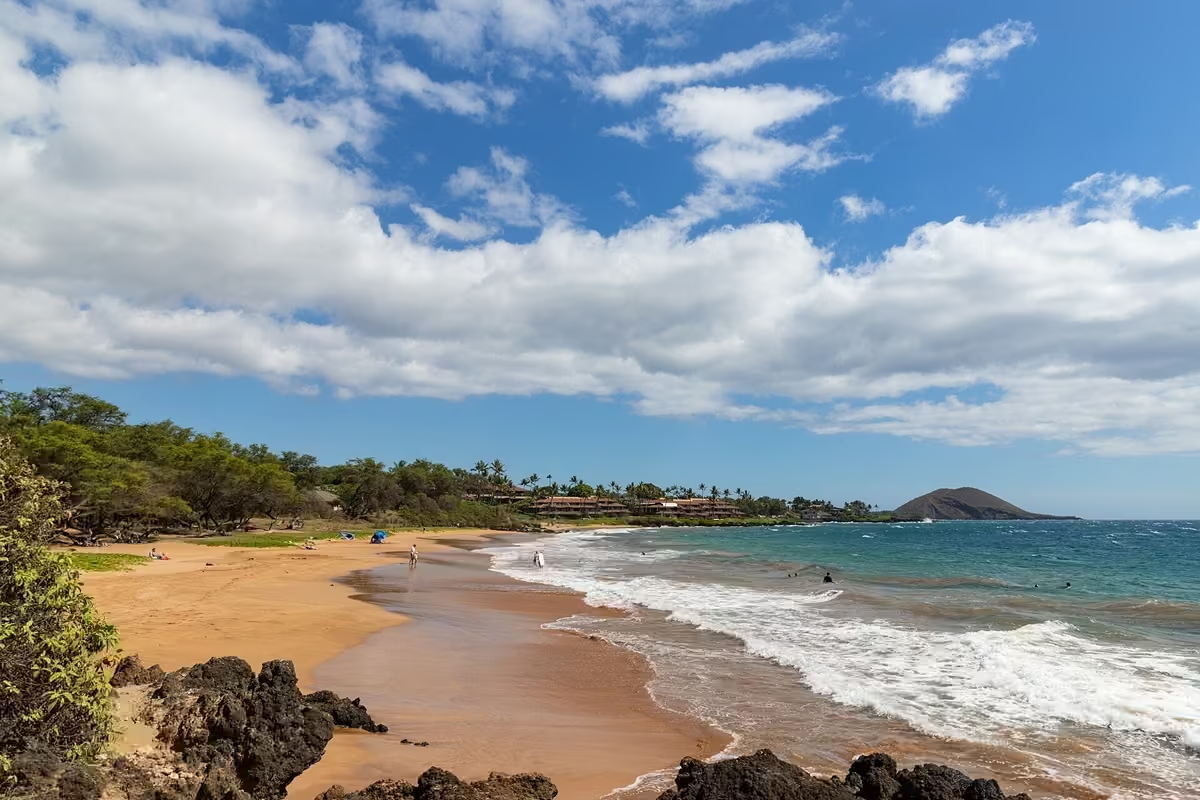
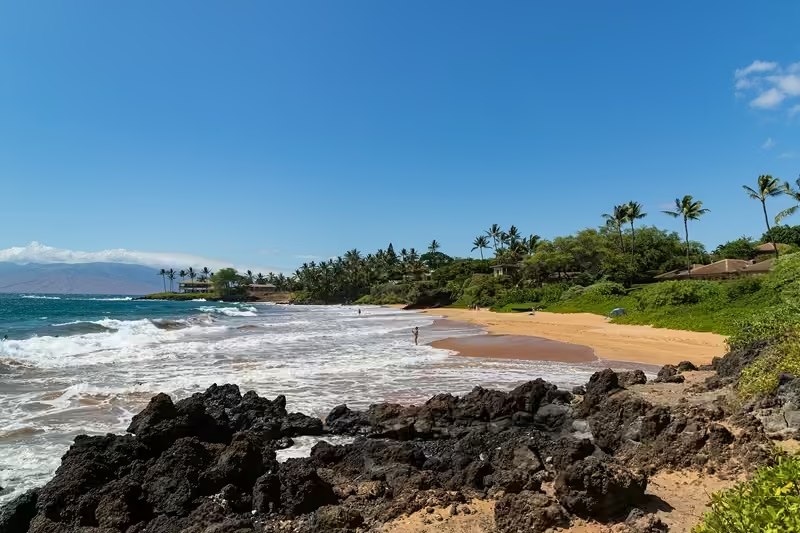
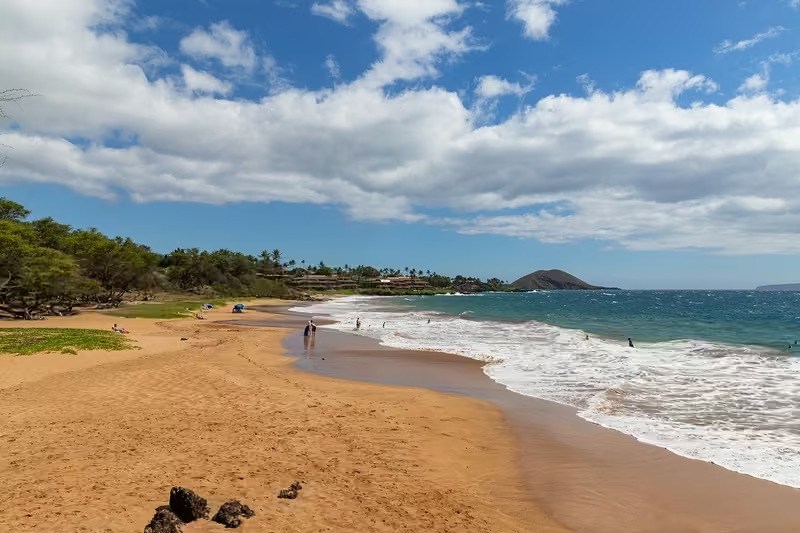
Pōʻōlenalena Beach makes a good case for leaving an afternoon open. Along this stretch of Maui's Wailea-Mākena coast, golden sand meets rocky shoreline, and a beach walk can turn into a reason to stay for sunset. Bring a towel, find your spot, and give yourself permission to stop checking the time.
Also called Poolenalena Beach or Chang's Beach, this South Maui stop has more than one way to win you over. Come for an unhurried afternoon on the sand, bring your camera for sunset, or consider a look beneath the surface when conditions are suitable for snorkeling.
The key is choosing the right visit for your group. Pōʻōlenalena has limited facilities and no lifeguard, so a little preparation matters. Here's how to handle the practical details and leave more of your beach time for the good part.
Is Pōʻōlenalena The Same Place As Chang's Beach?
Yes. Chang's Beach is another name for Pōʻōlenalena Beach Park, and Poolenalena is the spelling you'll often see without Hawaiian diacritics. Seeing those different names while planning your trip doesn't mean you've found three different beaches.
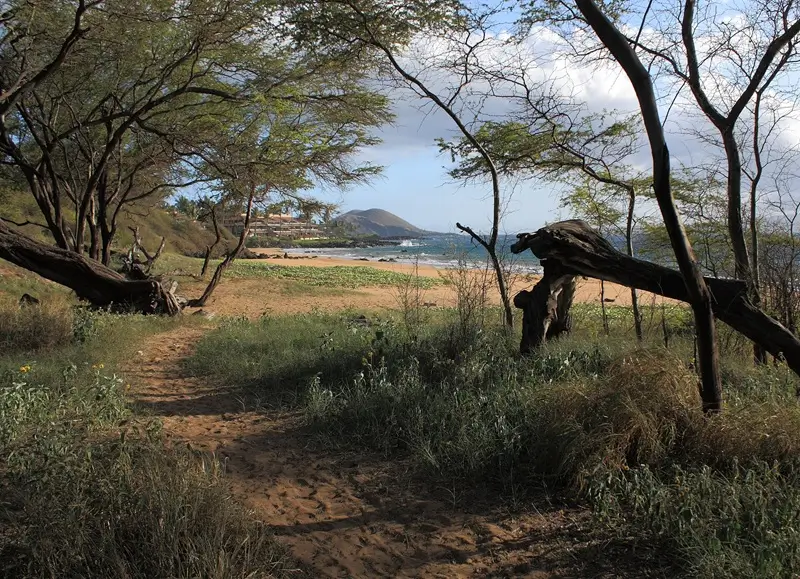
For this visit, look for the main public beach access off Mākena Alanui near Makena Surf. Check that your map pin leads to the public parking area rather than a nearby condominium entrance. Getting that detail right makes the arrival much simpler.
Pōʻōlenalena Beach is south of Wailea on the way toward Mākena. From Wailea, continue south along Wailea Alanui toward Mākena Alanui, then look for the public parking entrance on the ocean side of the road near the northern side of Makena Surf.
Coming from Kīhei? Head toward Wailea first, then continue south. Set your navigation before leaving and give yourself some breathing room at the end of the drive. Finding the right entrance is much more pleasant when you aren't racing the sunset.
What To Expect At The Parking Area
The public parking area doesn't have designated stalls. Leave enough room for other drivers to turn and get out, and keep access lanes and neighboring driveways clear. When the usable spaces are full, choose another stop rather than creating a space along the roadside.
Listed park hours are 7 a.m. to 8 p.m. daily. Check entrance signs for temporary closures, parking restrictions, and any payment instructions. The park listing doesn't list a current parking fee, so don't rely on a promise of free parking.
Nuestro Guía de aparcamiento en las playas de Maui is handy when you're visiting several beaches, since parking arrangements aren't the same everywhere. For a sunset visit here, plan to park well before the light starts changing.
Beach Access, Facilities, And Accessibility
Think beach bag and towel, not a full-service beach park. A portable toilet is listed, but there's no water, and you shouldn't count on a public shower or drinking-water refill. Bring your own water, snacks, sun protection, and something comfortable to sit on.
No picnic facilities or park structures are listed, so keep your setup simple. A small bag of snacks and a towel picnic make more sense than arriving with everything for a long cookout. Pack only what your group can comfortably carry back out.
Planning For Strollers And Mobility Needs
ADA access isn't listed for this park. A parking area near the beach doesn't necessarily mean there's a firm, step-free route all the way to the sand, and loose sand can make the final stretch difficult for wheels.
For specific mobility needs, call the South District office at (808) 891-4951 before visiting. Ask about the full route from parking, the surface, and restroom access. With a stroller, think through how you'll manage the sand before loading it with beach gear.
Snorkeling At Pōʻōlenalena Beach
The rocky southern end, toward Makena Surf, is the area to know about when considering Pōʻōlenalena Beach snorkeling. Reef habitat offers more to look at than an open sandy bottom, with places where you might notice fish moving through the underwater landscape.
That's a general orientation, not a route around the headland. Stay clear of shallow reef and breaking waves, and don't swim around a point to search for better snorkeling. This unguarded beach suits experienced ocean swimmers, not beginners.
Choose Conditions, Not Just A Time Slot
A morning visit is often a better starting point for snorkeling than late afternoon, but assess the water when you arrive. Look for clear visibility, suitable conditions, and an entry and exit you can manage comfortably. Avoid snorkeling at dawn, dusk, or in murky water.
Before gearing up, watch several sets of waves rather than judging the ocean during one quiet moment. Know where you'll enter, where you'll come back, and how you'll stay away from rocks. Snorkel with a buddy and turn back before you're tired.
Nuestro Guía de condiciones para practicar snorkel en Maui explains what to look for. Flotation can support a capable swimmer, but it doesn't replace swimming ability. When the water doesn't look right, enjoy the beach instead of trying to make a snorkeling plan work.
Marine Life Visitors Might See
Part of snorkeling's appeal is not knowing exactly what will catch your eye. A shape moving over the reef, a flash of color, or a fish you can't quite identify can become the moment you talk about over dinner.
Hawaiian green sea turtles, or honu, may be seen in this area, but there's plenty of reason to pay attention to smaller reef life too. Before your trip, browse our Guía de identificación de peces tropicales de Maui to get familiar with fish groups found around the island, including butterflyfish, surgeonfish, parrotfish, and wrasses.
You don't need to memorize every name. Notice a fish's shape, markings, and size, then compare what you remember afterward. That turns a quick glimpse into a little discovery without making your snorkel feel like homework.
Give sea turtles at least 10 feet of space on land and in the water, and never touch, feed, chase, or block them. For monk seals, the recommended distance is at least 50 feet, or 150 feet for a mother with a pup. Stay behind any barriers. Wildlife sightings aren't guaranteed, and an animal approaching isn't an invitation to crowd it.
Keep fins and equipment off the reef, too. Our Guía de los arrecifes de coral de Maui offers a closer look at the habitat that makes these underwater encounters possible.
South Swell, Shorebreak, And Ocean Safety
Pōʻōlenalena Beach has no lifeguard. Watch for south swell, forceful shorebreak, currents, and poor visibility. Sunshine overhead doesn't tell you what's happening in the water.
South swell can bring wave energy from distant storms to this coastline, especially during the warmer months. Our Guía de oleaje del sur de Maui explains how it can change a beach day even when the weather looks beautiful.
Why The Water's Edge Deserves Your Attention
Shorebreak is surf that breaks directly onto the sand or into very shallow water. It can knock people down and cause serious injuries, including head, neck, and spinal injuries. Wading close to shore isn't automatically safer than swimming farther out.
Stay out when waves break forcefully at the entry or surge around the rocks. Never dive headfirst into shorebreak, and keep children, chairs, and photo setups beyond the reach of waves. If surf is taking over the usable beach, move to a different land-based activity.
Make A Clear Decision Before Entering
Check the surf forecast, posted warnings, actual water movement, visibility, and your group's swimming ability together. No single forecast number or app rating is a green light.
After heavy rain, avoid brown or cloudy water and check for water-quality advisories. Our Guía de asesoramiento sobre aguas marrones de Maui explains what those notices mean. When you're unsure, stay out. In an emergency, call 911 rather than entering dangerous water to attempt an untrained rescue.
Is Pōʻōlenalena Beach Good For Families?
Yes, for a family outing built around sand, scenery, and time together. Bring a few sand toys, have a snack break, or let the kids help choose a spot for a family photo well back from the waves. The visit doesn't have to revolve around swimming.
For children's ocean swimming or a first snorkeling attempt, we'd choose a lifeguarded beach and ask the lifeguard about conditions. Pōʻōlenalena's limited facilities also make a shorter visit easier to manage, particularly with younger children.
A little preparation keeps the outing enjoyable: have drinking water ready, take a bathroom break before arriving, and bring hats and sun protection. Assign an adult to actively watch children near the water, without camera or phone distractions. Inflatables don't replace supervision or swimming skills.
Leave some flexibility in the schedule. A happy hour on the sand can be a better family memory than stretching the stop until everyone's hot, hungry, and ready to leave.
Sunset, Photography, And Beach Etiquette
Sunset is a strong reason to put Pōʻōlenalena on your South Maui itinerary. You can keep it simple: a beach walk followed by a seat on your towel, watching the light shift across the shoreline. No snorkeling equipment required.
For planning, aim to arrive around 30 to 45 minutes before sunset. That gives you time to park, walk onto the beach, and settle in without turning the evening into a last-minute dash. Check sunset time for your date and leave room for the walk back before closing.
Bring Home Photos That Feel Like Your Trip
Start with the wider scene: the curve of the shore, the ocean, and the sky. Then try a few closer moments, such as your group walking together or the kids finishing their sandcastle. A mix of scenery and everyday vacation moments tells a better story than ten versions of the same pose.
Keep your feet on stable ground beyond the wave wash rather than climbing onto wet rocks for a different angle. Use your camera's zoom for wildlife, and leave room for other visitors to enjoy the view.
For a separate snorkeling visit, our Guía de fotografía para practicar snorkel en Maui can help you prepare for underwater photos. First get comfortable with your swimming and equipment; add the camera when it won't distract you.
Keep access paths open, give people fishing plenty of space, and take your rubbish with you. A quiet conversation fits the setting better than loud music. For an organized ceremony or professional shoot, have your provider confirm the permissions needed for the location and activity.
Nearby Beaches And Guided Snorkeling Alternatives
Building a South Maui beach day? Choose your next stop around what you'd enjoy most, whether that's more facilities, lifeguard support, or a guided trip out to a reef.
Ulua Beach For Another Wailea Beach Option
Farther north, Ulua Beach offers restrooms and showers, making it worth comparing when facilities matter to your group. It also offers shore snorkeling when conditions allow. Our Ulua Beach Maui Guide covers the practical details.
Mākena Landing For A Different Coastal Stop
Farther south, Mākena Landing offers a smaller coastal setting with reef interest and kayak activity. Read our Makena Landing Maui Guide before visiting so you understand the access and launch-area considerations.
Kamaʻole Beach Parks For Lifeguard Support
For family ocean activities, compare the Parques de la playa de Kamaʻole in Kīhei. Visit during staffed hours and ask the lifeguard about current conditions. Nearby beaches can share the same swell or runoff, so moving to another beach isn't automatically the answer to rough water.
Final Thoughts On Pōʻōlenalena Beach
Pōʻōlenalena Beach deserves a place on your itinerary when you're looking for a South Maui stop that leaves room to slow down. Come for a shoreline walk, a towel picnic, or the chance to watch the sunset without immediately rushing to the next activity.
Bring what you need, respect the ocean conditions, and choose the kind of visit that suits your group. Snorkeling can be part of the plan on a suitable day, but it doesn't have to be the whole point.
Pick your spot on the sand, take a few photos, then put the camera away for a while. Leave enough time to enjoy the beach you came to see!