Letzte Aktualisierung: 19. Oktober 2026
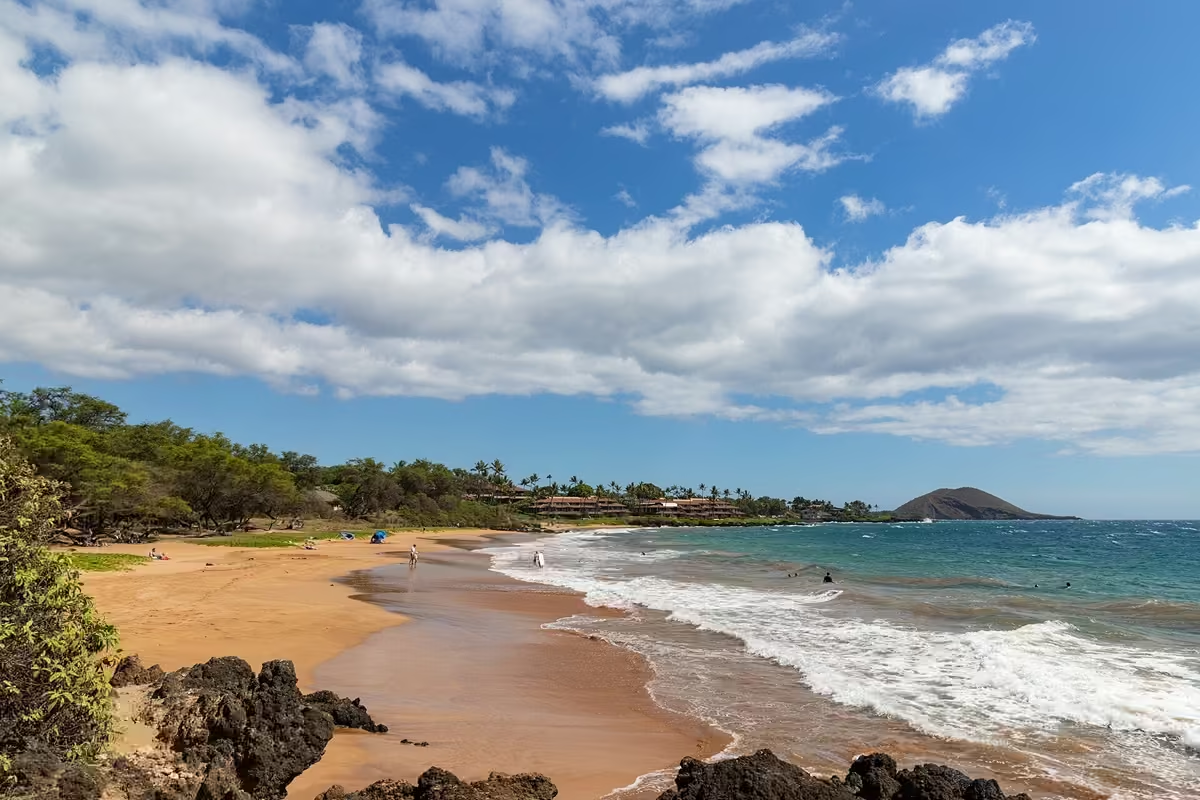
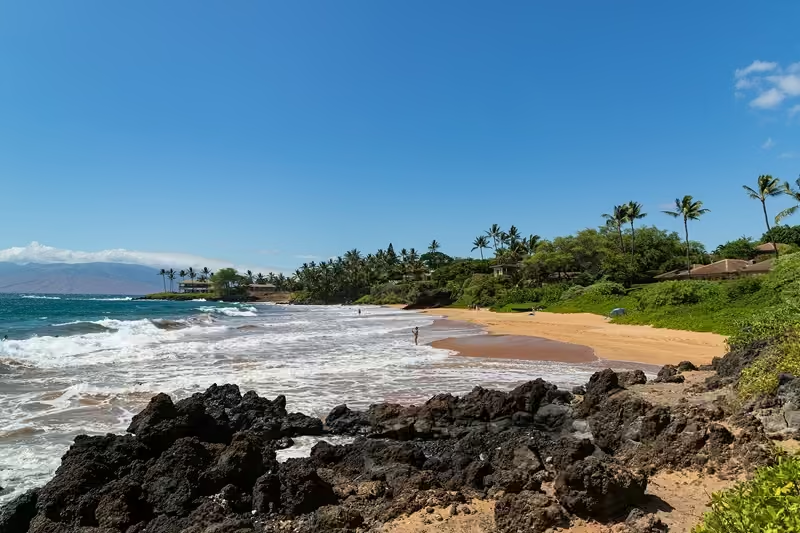
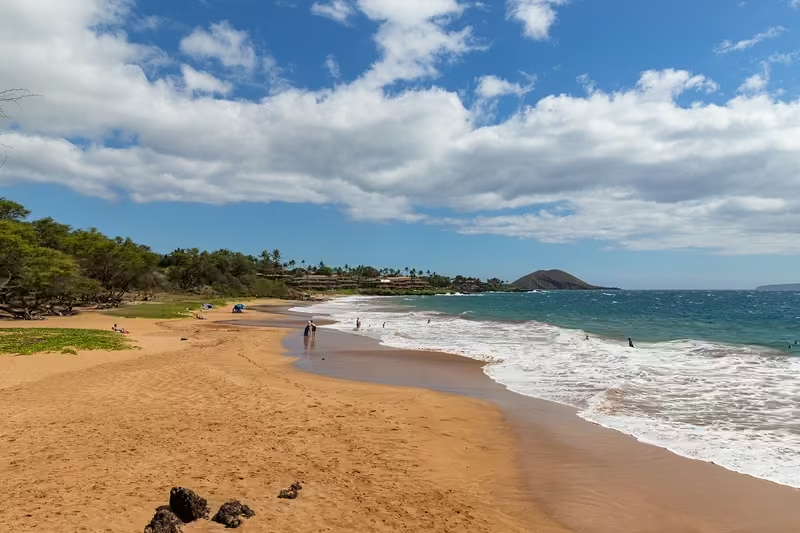
Der Pōʻōlenalena Beach ist ein gutes Beispiel dafür, warum man sich einen Nachmittag freihalten sollte. An diesem Küstenabschnitt von Wailea-Mākena auf Maui trifft goldener Sand auf felsiges Ufer, und ein Strandspaziergang kann sich schnell zu einem gemütlichen Verweilen bis zum Sonnenuntergang ausweiten. Packen Sie ein Handtuch ein, suchen Sie sich ein schönes Plätzchen und erlauben Sie sich, die Zeit einfach mal beiseite zu legen.
Dieser Strand im Süden Mauis, auch bekannt als Poolenalena Beach oder Chang's Beach, hat auf vielfältige Weise zu bieten. Verbringen Sie einen entspannten Nachmittag am Strand, fotografieren Sie den Sonnenuntergang oder erkunden Sie die Unterwasserwelt bei passenden Bedingungen mit dem Schnorcheln.
Der Schlüssel liegt darin, den richtigen Ausflug für Ihre Gruppe auszuwählen. Pōʻōlenalena bietet nur begrenzte Einrichtungen und keinen Rettungsschwimmer, daher ist etwas Vorbereitung wichtig. Hier erfahren Sie, wie Sie die praktischen Details erledigen und mehr Zeit am Strand für die schönen Momente haben.
Ist Pōʻōlenalena derselbe Ort wie Chang's Beach?
Ja. Chang's Beach ist ein anderer Name für den Pōʻōlenalena Beach Park, und Poolenalena ist die Schreibweise, die man oft ohne hawaiianische diakritische Zeichen sieht. Wenn Sie bei Ihrer Reiseplanung auf diese verschiedenen Namen stoßen, bedeutet das nicht, dass Sie drei verschiedene Strände gefunden haben.
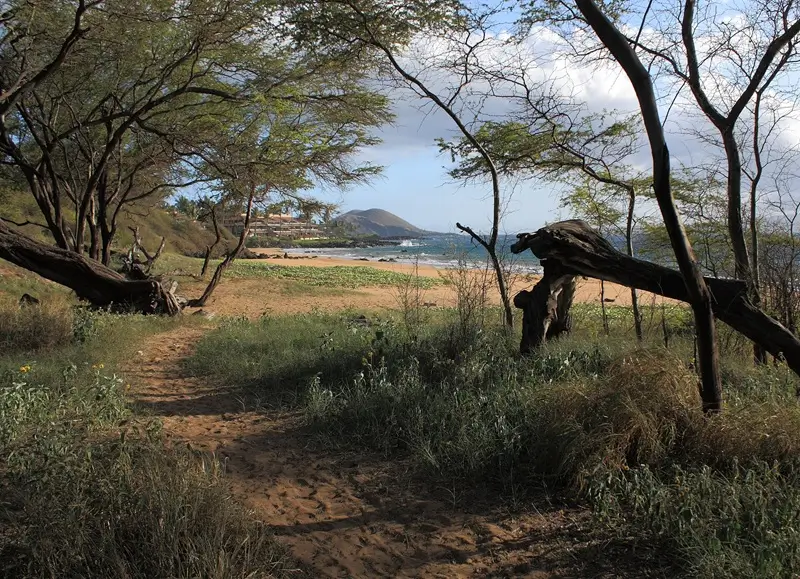
Für Ihren Besuch suchen Sie bitte den Hauptzugang zum öffentlichen Strand bei Mākena Alanui in der Nähe von Makena Surf. Vergewissern Sie sich, dass Ihre Markierung auf der Karte zum öffentlichen Parkplatz und nicht zu einer nahegelegenen Einfahrt einer Wohnanlage führt. Wenn Sie diese Information beachten, wird die Anreise deutlich einfacher.
Von Wailea aus folgen Sie der Wailea Alanui Straße in Richtung Süden bis zur Makena Alanui Straße. Fahren Sie am Wailea Golf Club vorbei und achten Sie auf das Schild „Pōʻōlenalena Beach Park“ auf der Meerseite der Straße. Benutzen Sie den öffentlichen Parkplatz in der Nähe von Makena Surf, nicht die private Einfahrt einer Wohnanlage.
Kommen Sie aus Kīhei? Fahren Sie zuerst Richtung Wailea und dann weiter nach Süden. Stellen Sie Ihr Navigationsgerät vor der Abfahrt ein und planen Sie am Ende der Fahrt etwas mehr Zeit ein. Die richtige Einfahrt zu finden ist viel angenehmer, wenn man nicht gegen den Sonnenuntergang ankämpft.
Was Sie auf dem Parkplatz erwartet
Der öffentliche Parkplatz verfügt über keine festen Stellplätze. Bitte lassen Sie genügend Platz zum Wenden und Ausfahren für andere Fahrer und halten Sie Zufahrtswege und angrenzende Einfahrten frei. Wenn alle nutzbaren Parkplätze belegt sind, wählen Sie bitte einen anderen Halteplatz, anstatt am Straßenrand einen Parkplatz zu schaffen.
Die angegebenen Parköffnungszeiten sind Täglich von 7 bis 20 Uhr. Bitte beachten Sie die Hinweisschilder am Eingang bezüglich vorübergehender Schließungen, Parkbeschränkungen und Zahlungsanweisungen. In der Parkbeschreibung ist keine aktuelle Parkgebühr angegeben, gehen Sie daher nicht davon aus, dass das Parken kostenlos ist.
Unser Maui Beach Parkleitfaden Das ist praktisch, wenn man mehrere Strände besucht, da die Parkmöglichkeiten nicht überall gleich sind. Für einen Besuch zum Sonnenuntergang sollte man rechtzeitig vor dem Einsetzen des Sonnenuntergangs parken.
Strandzugang, Einrichtungen und Barrierefreiheit
Betrachten Sie Pōʻōlenalena eher als einen Strandtag, an dem Sie alles Notwendige mitbringen, denn als einen Strandpark mit Komplettservice. Es gibt zwar eine mobile Toilette, aber kein Wasser, also rechnen Sie nicht mit Duschen oder Trinkwasser zum Auffüllen. Packen Sie Wasser, Snacks, Sonnenschutz und ein Handtuch oder einen Strandstuhl ein.
Es sind keine Picknickplätze oder Parkanlagen ausgewiesen, packen Sie also nicht zu viel ein. Eine kleine Tüte mit Snacks und ein Handtuch sind sinnvoller als die komplette Ausrüstung für ein langes Grillfest. Packen Sie nur so viel ein, wie Ihre Gruppe bequem wieder tragen kann.
Planung für Kinderwagen und Mobilitätsbedürfnisse
Dieser Park ist nicht barrierefrei zugänglich. Ein Parkplatz in Strandnähe bedeutet nicht zwangsläufig einen festen, stufenfreien Weg zum Sandstrand, und loser Sand kann die letzte Strecke für Rollstuhlfahrer schwierig machen.
Bei besonderen Mobilitätsbedürfnissen rufen Sie bitte vor Ihrem Besuch das Büro im Südbezirk unter (808) 891-4951 an. Erkundigen Sie sich nach dem genauen Weg vom Parkplatz, dem Untergrund und der Erreichbarkeit der Toiletten. Wenn Sie einen Kinderwagen dabei haben, überlegen Sie sich, wie Sie mit dem Sand umgehen, bevor Sie ihn mit Strandutensilien beladen.
Schnorcheln am Pōʻōlenalena Beach
Der felsige südliche Teil des Strandes in der Nähe von Makena Surf ist ein ideales Schnorchelgebiet. Bei geeigneten Bedingungen können geübte Meeresschwimmer dort Rifffische zwischen den Felsen und Korallen beobachten, anstatt über dem offenen Sandboden.
Dies ist eine allgemeine Orientierungshilfe, keine Route um die Landzunge herum. Meiden Sie flache Riffe und Brandungszonen und schwimmen Sie nicht um eine Landzunge herum, um bessere Schnorchelplätze zu finden. Dieser unbewachte Strand ist für erfahrene Meeresschwimmer geeignet, nicht für Anfänger.
Wählen Sie die Bedingungen, nicht nur einen Zeitschlitz.
Ein Besuch am Morgen ist oft besser zum Schnorcheln geeignet als am späten Nachmittag. Prüfen Sie aber vor Ihrer Ankunft die Wasserbedingungen. Achten Sie auf klare Sicht, geeignete Bedingungen und einen bequemen Ein- und Ausstieg. Vermeiden Sie das Schnorcheln in der Dämmerung oder in trübem Wasser.
Bevor du dich ausrüstest, beobachte lieber mehrere Wellengruppen, anstatt den Ozean in einem ruhigen Moment zu beurteilen. Informiere dich, wo du ins Wasser gehst, wo du wieder herauskommst und wie du Felsen vermeidest. Schnorchel mit einem Partner und kehre um, bevor du müde wirst.
Unser Maui Schnorchelbedingungen Leitfaden erklärt, worauf man achten sollte. Schwimmhilfen können einen geübten Schwimmer unterstützen, ersetzen aber nicht die Schwimmfähigkeit. Wenn das Wasser nicht geeignet aussieht, genießen Sie lieber den Strand, anstatt krampfhaft zu versuchen, dort zu schnorcheln.
Meerestiere, die Besucher sehen könnten
Ein Teil des Reizes beim Schnorcheln besteht darin, nicht genau zu wissen, was einem ins Auge fallen wird. Eine Form, die sich über dem Riff bewegt, ein Farbtupfer oder ein Fisch, den man nicht genau identifizieren kann, kann zu dem Moment werden, über den man beim Abendessen spricht.
In diesem Gebiet können Sie hawaiianische grüne Meeresschildkröten (Honu) beobachten, aber es gibt auch viele andere Gründe, die kleineren Riffbewohner im Auge zu behalten. Schauen Sie sich vor Ihrer Reise unsere Bestimmungsführer für tropische Fische auf Maui Sich mit den rund um die Insel vorkommenden Fischgruppen vertraut zu machen, darunter Falterfische, Doktorfische, Papageifische und Lippfische.
Sie müssen sich nicht jeden Namen merken. Achten Sie auf die Form, die Zeichnung und die Größe der Fische und vergleichen Sie anschließend Ihre Erinnerungen damit. So wird aus einem kurzen Blick eine kleine Entdeckung, ohne dass sich das Schnorcheln wie eine lästige Pflicht anfühlt.
Gebt Meeresschildkröten mindestens 10 Fuß Platz An Land und im Wasser sollten Sie die Tiere niemals berühren, füttern, jagen oder ihnen den Weg versperren. Bei Mönchsrobben beträgt der empfohlene Abstand mindestens 15 Meter, bei einer Mutter mit Jungtier sogar 45 Meter. Halten Sie sich hinter jeglichen Absperrungen auf. Tierbeobachtungen sind nicht garantiert, und ein sich näherndes Tier ist keine Einladung, es zu bedrängen.
Halten Sie Flossen und Ausrüstung ebenfalls vom Riff fern. Maui Korallenriffe Reiseführer bietet einen genaueren Einblick in den Lebensraum, der diese Begegnungen unter Wasser ermöglicht.
Südliche Dünung, Brandung und Sicherheit im Meer
Am Strand von Pōʻōlenalena gibt es keinen Rettungsschwimmer. Achten Sie auf südliche Dünung, starke Brandung, Strömungen und schlechte Sicht. Sonnenschein am Himmel gibt keinen Aufschluss über die Bedingungen im Wasser.
Südliche Dünung kann Wellenenergie von weit entfernten Stürmen an diese Küste bringen, insbesondere in den wärmeren Monaten. Maui Südwellenführer erklärt, wie es einen Strandtag verändern kann, selbst wenn das Wetter schön aussieht.
Warum The Water's Edge Ihre Aufmerksamkeit verdient
Brandung am Ufer ist die Brandung, die direkt auf den Sand oder in sehr flaches Wasser trifft. Sie kann Menschen umwerfen und schwere Verletzungen, insbesondere an Kopf, Nacken und Wirbelsäule, verursachen. Das Waten in Ufernähe ist nicht automatisch sicherer als das Schwimmen weiter draußen.
Meiden Sie das Wasser, wenn die Wellen am Strand stark brechen oder um die Felsen branden. Springen Sie niemals kopfüber in die Brandung und halten Sie Kinder, Stühle und Fotoausrüstung außerhalb der Reichweite der Wellen. Wenn der nutzbare Strandbereich von der Brandung überflutet wird, suchen Sie sich eine andere Aktivität an Land.
Treffen Sie eine klare Entscheidung, bevor Sie einsteigen.
Prüfen Sie gemeinsam den Surf-Vorhersagebericht, die Warnungen, die aktuelle Wasserströmung, die Sichtverhältnisse und die Schwimmfähigkeiten Ihrer Gruppe. Keine einzelne Vorhersagezahl oder App-Bewertung garantiert grünes Licht.
Nach starken Regenfällen sollten Sie braunes oder trübes Wasser meiden und sich über Warnhinweise zur Wasserqualität informieren. Maui Brown Water Advisory Guide Erklärt die Bedeutung dieser Hinweise. Im Zweifelsfall bleiben Sie fern. Wählen Sie im Notfall die 112, anstatt sich in gefährliches Wasser zu begeben und dort eine ungeschulte Rettungsaktion zu versuchen.
Ist der Strand von Pōʻōlenalena für Familien geeignet?
Ja, perfekt für einen Familienausflug mit Sand, schöner Landschaft und gemeinsamer Zeit. Packen Sie ein paar Sandspielzeuge ein, machen Sie eine kleine Snackpause oder lassen Sie die Kinder einen schönen Platz für ein Familienfoto abseits der Wellen aussuchen. Schwimmen muss nicht der Hauptaspekt sein.
Für Kinder zum Schwimmen, Schnorcheln (zum ersten Mal) oder Boogie-Boarding-Versuch würden wir einen bewachten Strand wählen und uns nach den aktuellen Bedingungen erkundigen. In Pōʻōlenalena eignen sich Sandspielzeug, Snacks und ein kürzerer Strandbesuch besser für Familien mit kleinen Kindern.
Mit etwas Vorbereitung wird der Ausflug zum Vergnügen: Trinkwasser bereithalten, vor der Ankunft die Toilette aufsuchen und Hut und Sonnenschutz einpacken. Eine erwachsene Person sollte die Kinder am Wasser aktiv beaufsichtigen, ohne sie mit Kamera oder Handy abzulenken. Aufblasbare Spielsachen ersetzen weder Aufsicht noch Schwimmkenntnisse.
Planen Sie etwas Flexibilität im Zeitplan ein. Ein entspannter Nachmittag am Strand kann eine schönere Familienerinnerung sein, als den Aufenthalt so lange hinauszuzögern, bis alle erschöpft, hungrig und abreisebereit sind.
Sonnenuntergang, Fotografie und Strandetikette
Der Sonnenuntergang ist ein überzeugender Grund, Pōʻōlenalena in Ihre Süd-Maui-Reise einzubauen. Ganz einfach: Ein Strandspaziergang, gefolgt von einem entspannten Aufenthalt auf dem Handtuch, um das wechselnde Licht an der Küste zu beobachten. Schnorchelausrüstung ist nicht erforderlich.
Planen Sie Ihre Ankunft etwa 30 bis 45 Minuten vor Sonnenuntergang ein. So haben Sie genügend Zeit, zu parken, zum Strand zu spazieren und sich in Ruhe einzurichten, ohne in letzter Minute in Hektik zu geraten. Informieren Sie sich über die Sonnenuntergangszeit an Ihrem Wunschtermin und planen Sie genügend Zeit für den Rückweg vor Schließung des Strandes ein.
Bringen Sie Fotos mit nach Hause, die sich wie Ihre Reise anfühlen.
Beginnen Sie mit dem Gesamtbild: der geschwungenen Küste, dem Meer und dem Himmel. Versuchen Sie es dann mit Nahaufnahmen von Momenten aus der Nähe, zum Beispiel Ihrer Gruppe beim gemeinsamen Spaziergang oder den Kindern beim Fertigstellen ihrer Sandburg. Eine Mischung aus Landschaftsaufnahmen und alltäglichen Urlaubsmomenten erzählt eine lebendigere Geschichte als zehn Versionen derselben Pose.
Bleiben Sie auf festem Boden jenseits der Brandung, anstatt auf nasse Felsen zu klettern, um eine andere Perspektive zu erhalten. Nutzen Sie den Zoom Ihrer Kamera für Tieraufnahmen und lassen Sie anderen Besuchern genügend Platz, um die Aussicht zu genießen.
Für einen separaten Schnorchelausflug, unser Maui Schnorchel-Fotografie-Guide kann Ihnen bei der Vorbereitung auf Unterwasserfotos helfen. Machen Sie sich zunächst mit dem Schwimmen und der Ausrüstung vertraut; verwenden Sie die Kamera erst, wenn sie Sie nicht ablenkt.
Halten Sie die Zugangswege frei, geben Sie Anglern ausreichend Platz und nehmen Sie Ihren Müll mit. Ruhige Gespräche passen besser zur Atmosphäre als laute Musik. Bei organisierten Zeremonien oder professionellen Fotoshootings sollten Sie sich von Ihrem Anbieter die erforderlichen Genehmigungen für den jeweiligen Ort und die geplante Aktivität bestätigen lassen.
Nahegelegene Strände und geführte Schnorchelausflüge
Planen Sie einen Strandtag im Süden von Maui? Wählen Sie Ihren nächsten Stopp danach aus, was Ihnen am meisten Spaß macht, sei es mehr Einrichtungen, die Unterstützung durch Rettungsschwimmer oder ein geführter Ausflug zu einem Riff.
Ulua Beach als weitere Option für Wailea Beach
Weiter nördlich bietet Ulua Beach Toiletten und Duschen, weshalb sich ein Vergleich lohnt, wenn die Ausstattung für Ihre Gruppe wichtig ist. Dort kann man bei entsprechenden Bedingungen auch vom Ufer aus schnorcheln. Ulua Beach Maui Reiseführer behandelt die praktischen Details.
Mākena Landing – ein etwas anderer Küstenstopp
Weiter südlich bietet Mākena Landing eine kleinere Küstenlandschaft mit interessanten Riffen und Möglichkeiten zum Kajakfahren. Lesen Sie unseren Artikel. Makena Landing Maui Reiseführer Bitte informieren Sie sich vor Ihrem Besuch über die Zugangs- und Startbereichsbedingungen.
Kamaʻole Beach Parks für Rettungsschwimmerunterstützung
Vergleichen Sie für Familienaktivitäten im Meer die Kamaʻole Beach Parks in Kīhei. Besuchen Sie den Strand während der bewachten Öffnungszeiten und fragen Sie den Rettungsschwimmer nach den aktuellen Bedingungen. Da benachbarte Strände vom gleichen Wellengang oder Abfluss betroffen sein können, ist ein Strandwechsel nicht automatisch die Lösung bei rauer See.
Abschließende Gedanken zum Strand von Pōʻōlenalena
Der Strand von Pōʻōlenalena sollte unbedingt auf Ihrer Reiseroute stehen, wenn Sie in Süd-Maui einen Ort zum Entspannen suchen. Genießen Sie einen Strandspaziergang, ein Picknick mit Handtuch oder den Sonnenuntergang, ohne gleich zur nächsten Aktivität zu hetzen.
Bringen Sie alles Notwendige mit, respektieren Sie die Meeresbedingungen und wählen Sie die Art des Ausflugs, die zu Ihrer Gruppe passt. Schnorcheln kann an einem geeigneten Tag Teil des Programms sein, muss aber nicht der Hauptgrund für den Ausflug sein.
Suchen Sie sich ein schönes Plätzchen im Sand, machen Sie ein paar Fotos und legen Sie die Kamera dann erst einmal weg. Nehmen Sie sich genügend Zeit, um den Strand, den Sie besuchen wollten, in vollen Zügen zu genießen!