

Written by the Maui Snorkeling team, operating Molokini Crater, Turtle Town, and Coral Gardens tours out of Maʻalaea Harbor since 1985. Tours are led by USCG‑licensed captains aboard a USCG‑inspected passenger vessel. We spend more days in these waters than on land.
Last updated: February 2026
Quick Answer - the best tide for snorkeling in Maui: For most shore snorkeling in Maui, the best tide is usually high slack tide—about 1 hour before to 1 hour after high tide. You’ll typically get more water over shallow reefs, easier entries/exits, and often weaker tidal current. Avoid the lowest low tide on shallow reef flats and rocky entries, and always prioritize swell + wind + visibility over tide.
- Best all-around window: high slack (±1 hour around high tide) is the safest bet for many Maui shore spots.
- Shallow reef flats: mid → high tide is usually better; very low tide can mean less depth, more scraping risk, and tougher exits.
- Rocky/lava entries: higher tide adds clearance—just plan your exit so you’re not climbing out as the water drops.
- Currents: moving water is often strongest mid-tide and during big tide swings; if you feel pulled, turn back and reassess.
- Quick check: look up the nearest NOAA tide station, then cross-check local surf/wind and ocean safety conditions.
If you’ve ever stood in the sand thinking, “Should I snorkel now… or wait for the tide?” you’re not alone. Tides can make shore snorkeling feel either easy and dreamy… or like you’re doing an awkward crab-walk over lava rock (0/10, do not recommend). The difference between a frustrating swim and an enjoyable snorkeling day often comes down to timing.
This guide will give you insight into the best tide for snorkeling in Maui.
Why Tides Matter For Maui Snorkeling
Tides change water depth. That sounds obvious… until you’re trying to float over a shallow reef and realize the reef is also trying to meet you halfway.
Tides also influence tidal currents—water moving in and out as the tide rises (flood) and falls (ebb). The calmest current often happens during slack water—the brief “pause” while the direction switches. (It’s basically the ocean taking a breath.)
Important Maui note: our tidal range is smaller than many mainland destinations, but on shallow reefs, even a “small” change can feel huge for entry, exit, and coral clearance. That’s why understanding the best tide for snorkeling in Maui can completely change your experience from stressful to smooth. Conditions can also vary depending on reef shape, wind direction, and recent swell.
Also: tide alone does NOT guarantee a good snorkel. If you want the full Maui “conditions cheat sheet,” start here: Maui Snorkel Conditions 101.
High Tide vs Low Tide: What Changes For Snorkelers
When people ask about the best tide for snorkeling in Maui, what they’re really asking is how depth and current will change their actual in-water experience. Here’s how it breaks down:
High Tide Pros And Cons
- More Depth Over Reef: Usually easier to float over shallow areas without bumping coral.
- Often Easier Entries: Rocks and reef ledges are more “covered,” so you’re not tip-toeing as much.
- Possible Tradeoff: In some places, more water movement can mean a little more “swim distance” to reach the good reef.
Low Tide Pros And Cons
- Some Reefs Pop Visually: Shallow structure can look closer and more dramatic.
- But… Shallow reef flats can get surgy, entries/exits can get harder, and it’s easier to accidentally kick coral.
- Extra Caution: If you’re new to snorkeling, low tide + rocky entry is a common “how did I get a scrape there?” combo.
The Sweet Spot: Slack Water
If you can choose a tide window, look for a time when the tide is changing direction—that’s when currents are often weakest. For many Maui shore snorkels, high slack is the friendliest mix of depth + calmer movement, and often the best tide for snorkeling in Maui for beginners and families. It’s truly a memorable snorkeling experience!
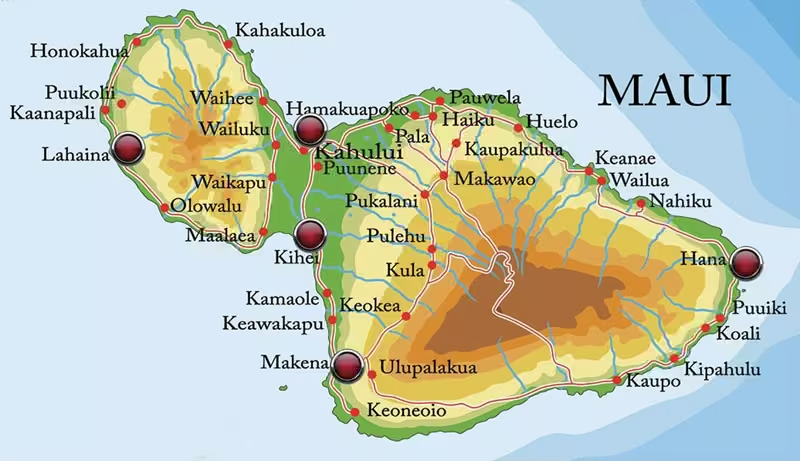
Photo courtesy of Hawaii Tides
The 3-Minute Tide Check Before You Snorkel
Here’s the quick plan we wish every visitor would use when figuring out the best tide for snorkeling in Maui:
- Pick A NOAA Tide Station Near You:
- South / Central Maui: NOAA Tide Predictions — Kīhei, Maʻalaea Bay
- Central Maui / Kahului Side: NOAA Tide Predictions — Kahului Harbor
- West Maui: NOAA Tide Predictions — Lahaina
- Not Near Those? Use NOAA Tide Station Search
- Find Today’s High Tide Time: You’re looking for the next high tide and the tide height trend.
- Plan Your Water Time: For most shore snorkel days, aim to be in the water about 1 hour before high tide through about 1 hour after.
- Do A 30-Second Safety Check: Tide is not a magic spell. Check the Maui ocean safety tools, beach hazards, and surf conditions before you commit:
- Hawaiʻi Ocean Safety (official safety resources)
- And if it rained recently, read: Maui Brown Water Advisory: Can You Snorkel After Rain?
Best Tide Windows By Snorkel Style
Easy Sandy Bay Snorkels
If your entry is mostly sand (and the bay is naturally protected), the tide matters less. Still, mid-to-high tide usually makes the whole experience smoother, especially for beginners. In many of these bays, the higher-water window ends up being the best tide for snorkeling in Maui simply because it removes stress from entry and exit.
Rocky Lava Entries
Higher tide can be your best friend here. More water over rock shelves can make entry/exit easier and safer. If the ocean has any surge, don’t force it—choose a different bay or book a boat day.
Shallow Reef Flats
This is where extreme low tide can ruin your vibe in a hurry. Less depth means more fin bumps, more coral contact risk, and more scraping. If you’re snorkeling a shallow reef flat, aim for higher tide and slow, controlled finning.
Tidepool Exploring
If you’re tidepooling (not snorkeling), low tide is often the “best viewing” window—but always prioritize safety. Rogue waves are a real thing. Never turn your back on the ocean.
When Tides Matter Less: Boat Snorkeling At Molokini
For offshore snorkeling like Molokini Crater, the tide still exists, but it’s usually not the deciding factor, the way it can be on a shallow shore reef.
If you’re trying to figure out the best tide for snorkeling in Maui, specifically for boat tours, it’s helpful to know that captains are primarily watching wind, swell direction, and overall ocean energy rather than just tide height.
Not sure which trip fits your crew? Start with Best Time To Snorkel Maui, then pick your ideal day.
Common Tide Chart Mistakes
- Only Checking Tide And Ignoring Swell: A “perfect” tide can still be awful if the swell is wrapping into your bay.
- Assuming All Maui Beaches Share The Same Tide Timing: Tide timing is similar island-wide, but local bathymetry and exposure still change the experience.
- Planning Shore Snorkeling At The Lowest Low Tide: This is the classic “why is it so shallow and surgy?” moment.
- Forgetting The Exit: It’s not just getting in—it’s getting out safely. If you’re unsure, don’t go.
- Ignoring Maui Ocean Safety Tools: Tide charts don’t show rip currents, shorebreak intensity, or local hazards. Always use the right ocean safety tools to confirm real-world conditions before you snorkel.
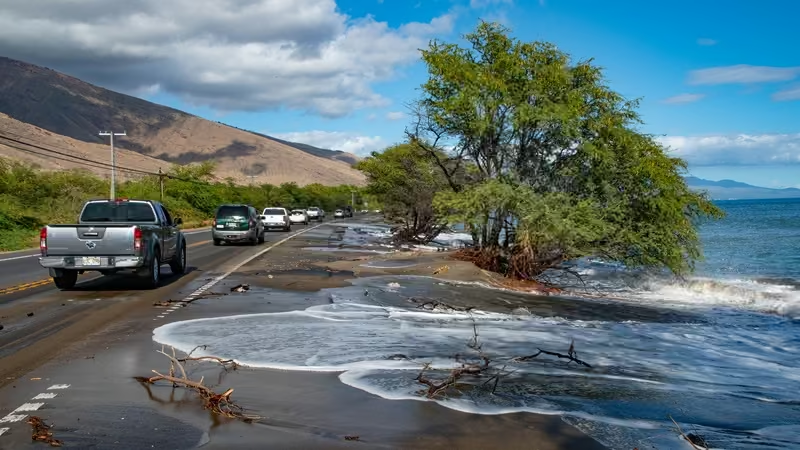
Photo courtesy of Hawaii News Now
Best Tide for Snorkeling in Maui FAQs
Is high tide or low tide better for snorkeling in Maui?
For most shore snorkeling in Maui, high slack tide is usually the easiest and most forgiving. You typically get more water over shallow reefs (less scraping), simpler entries/exits, and often less water movement compared to mid-tide when the ocean is “moving” more.
What is “slack tide,” and why does it matter?
Slack tide is the short window when the tide is changing direction (near high or near low). It often lines up with weaker tidal current, which can make snorkeling feel calmer—especially in spots where you notice the water “pulling” one direction during the middle of the tide cycle.
What’s the best tide window for shore snorkeling (simple rule)?
A simple, reliable rule for many Maui shore spots is to aim for roughly 1 hour before to 1 hour after high tide. It’s not perfect for every beach and every day, but it’s a great starting point—then you adjust based on swell, wind, and water clarity.
Is incoming tide better than outgoing tide?
Not always—but a lot of snorkelers prefer incoming → high slack because it often gives you more depth and can feel “cleaner” near shore. The key is to avoid strong water movement: if the ocean is clearly pushing or pulling, it can be tiring (and risky) even if the tide looks “good” on paper.
What’s the worst tide for snorkeling in Maui?
The toughest tide for many shore entries is often the lowest low tide—especially on shallow reef flats and rocky/lava entries. Less water means more contact hazards, more chance of surge pushing you into rocks, and exits can get tricky as the water drops.
Can you snorkel at low tide if the ocean looks calm?
Sometimes, yes—if the spot has enough depth and a safe entry/exit. But low tide can expose shallow coral and rocks, so it’s easier to accidentally bump the reef or get pinned by surge on a rocky shoreline. If you’re unsure, pick a beach with a simple sandy entry or shift your snorkel to a higher tide window.
Do spring tides and neap tides change snorkeling conditions?
They can. Spring tides (bigger tide swings) often mean more water movement between highs and lows, while neap tides (smaller swings) can feel more “stable.” Bigger swings don’t automatically mean “bad,” but they can amplify currents and make timing slack tide more important.
Does tide matter at Molokini (boat snorkeling)?
Tide matters less than it does for many shore reefs. For boat snorkeling, conditions are usually driven more by wind, swell direction/size, and visibility. Operators also choose moorings and timing based on what’s safest and calmest that day.
How do I check the right tide chart for my Maui beach?
Use the nearest NOAA tide station to where you’re snorkeling (ex: different stations for South Maui vs Kahului vs West Maui). Then cross-check with local surf/wind reports and any posted ocean safety updates. Tide helps, but swell and wind can override it fast.
What matters more than tide in Maui?
Most days, swell + wind + visibility matter more than tide. A “perfect” high tide won’t help if there’s head-high surf, strong trades making surface chop, or murky water after rain/runoff. If conditions look sketchy from shore, it’s okay to call it and pivot to a safer plan.
Conclusion
If you remember one thing, make it this: for most Maui shore snorkels, near high tide around slack water is the easiest way to stack the odds in your favor. That window is often considered the best tide for snorkeling in Maui, and when it lines up with calm morning conditions, it’s usually the best time of day to snorkel, too. Then double-check wind, swell, and water quality, and choose the calmest bay you can.
And if the shoreline looks even a little spicy? Be kind to your future self, pivot plans, or come snorkel with us and let the crew handle the conditions!


