
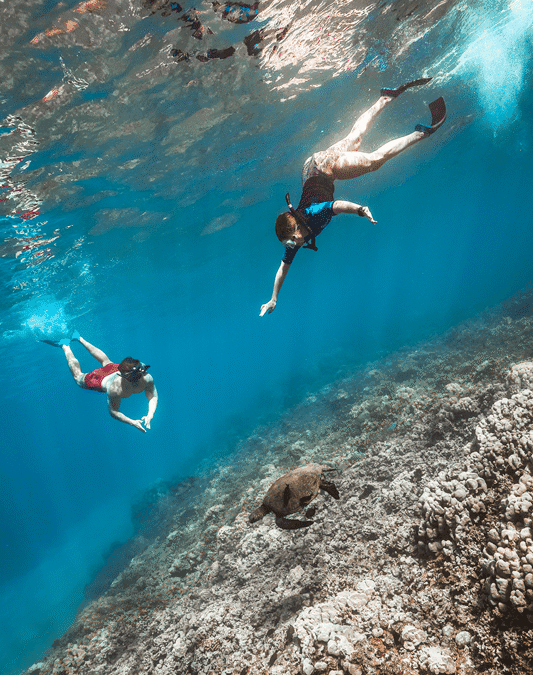
Written by the Maui Snorkeling team, operating Molokini and Turtle Town tours out of Maʻalaea Harbor since 1985. Tours are led by USCG‑licensed captains aboard a USCG‑inspected passenger vessel. We spend more days in these waters than on land.
Last updated: January 2026
Quick Facts (Save for Your Trip)
- Region: West Maui, just north of Kapalua (between mile markers ~32 and 33 on Honoapiʻilani Hwy/HI-30).
- Status: Part of the Honolua–Mokulē‘ia Marine Life Conservation District (MLCD) — special rules protect marine life and coral. No taking of marine life; no altering coral or sand.
- Lifeguards/Facilities: No lifeguards; limited or no facilities at the shoreline (portable toilets are sometimes near the small highway lot).
- Parking: Small dirt pullout near the one-lane bridge and roadside shoulder parking where legal; go early.
- Trail: Short, mostly flat Honolua Bay access trail through lush forest to a rocky shoreline. Footing can be slick; wear sturdy sandals.
- Length/Time:~0.6 miles out-and-back; ~30 minutes walking time (without long stops).
- Accessibility: Not stroller/wheelchair friendly (dirt + uneven)
- No Bathrooms at the Bay
- Best Conditions: Calm summer mornings; avoid after heavy rain (runoff) or during north swells.
Why Honolua Bay Belongs on Your Maui List
Honolua Bay is one of West Maui’s most beautiful coves and, on calm days, a standout for snorkeling. It sits inside the Honolua–Mokulē‘ia MLCD, which protects coral and fish and restricts extraction or damaging activities — a big reason the reef can shine when visibility is good.
The bay’s marine life, shaded forest walk, and the cliff-top Honolua Bay lookout (great for scouting water color and swell) make this spot rewarding even if you decide not to enter the water. A quick visual rule of thumb: blue/clear water is promising; “milky” or greenish water usually means poor snorkeling conditions.
Reservations
Access & Reservations (Updated Nov 7, 2025): There’s no reservation system in place for Honolua Bay. A community proposal (Puʻuhonua o Honolua Cultural Sanctuary Plan) is being discussed to manage visitor numbers and parking. Check official updates before you go.
- The Save Honolua / “Puʻuhonua o Honolua” vision has been reported as aiming to reduce visitor numbers, add a reservation system, and use an offsite parking + shuttle model similar to Hā‘ena (Kauaʻi).
- Maui Now reports the concept includes things like a kamaʻāina-focused entrance/parking approach, cultural education spaces, and even possible “kapu” rest periods (closures) to let the area recover.
Sources: SFGate coverage; Hawaii News Now; Maui Now.
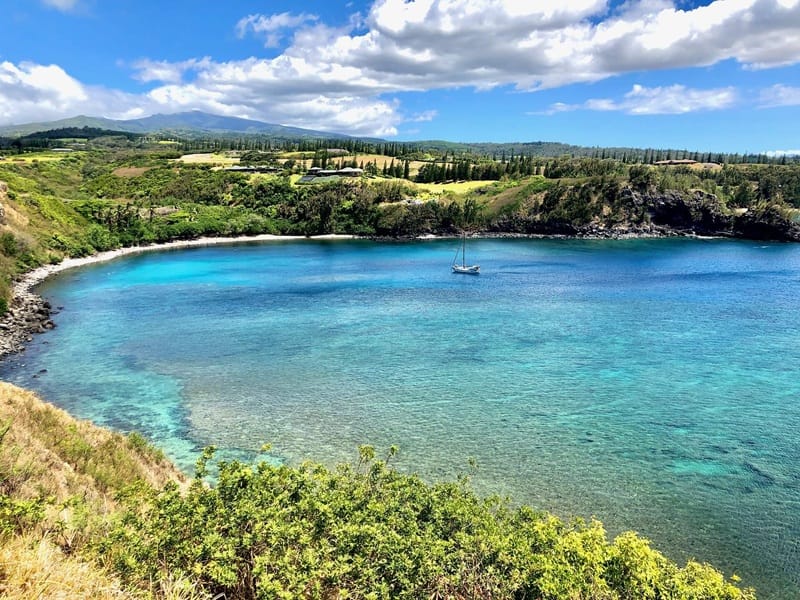
Photo Courtesy of ShakaGuide
Where Is Honolua Bay, Maui? (Map, Mile Markers & the Lookout)
Honolua Bay sits on Maui’s northwest coastline about five minutes north of Kapalua. Drivers typically watch for mile marker 32–33 along Honoapiʻilani Highway and the one-lane bridge just beyond the bay; nearby are a small dirt lot and shoulder parking areas. The Honolua Bay lookout pull-offs on the bluffs give a panoramic view of the cove and surf points — perfect for checking conditions before you commit to the hike down.
Parking tip: Parking is limited + roadside. Park only where fully off the roadway and legal—don’t block traffic. If it’s full, keep driving and try another pullout. Do not leave valuables in the car (break-ins can occur).
Walking the Honolua Bay Access Trail
From the highway pullout, the Honolua Bay access trail winds through a lush, shaded “enchanted” forest to the bay. It’s a short, mostly flat walk, but expect roots, mud after rain, and occasional slick spots. Stay on the main corridor and respect posted signs and private lands adjoining the path. Closed-toe sandals or sturdy water shoes are smart here.
You’ll emerge at a rocky shoreline (not a sunbathing beach). Entries are over boulders or via an old, sometimes-slippery cement ramp — take your time and never stand on coral.
Honolua Bay Snorkeling and Swimming: When It’s Good (and When to Skip)
On the right day, Honolua Bay snorkeling can be excellent — think healthy reef, schooling fish, and occasional visits from honu (Hawaiian green sea turtles). Timing and conditions are everything:
- Season: Late spring through summer mornings tend to be the calmest. In winter, north swells often turn Honolua into a world-class surf break — great for spectating from the lookout, not for snorkeling.
- After rain: The stream at the back of the bay can push runoff that clouds near-shore water; clarity usually improves farther out toward the bay mouth.
- Entry & swim: Expect a moderate swim to reach the clearer reef near the edges/mouth of the bay. If you’re not fully comfortable in open water, choose a boat trip instead (see alternatives below).
- Scout from the Honolua Bay lookout first. If the water isn’t a clear blue or if surfers are active on the points, skip the snorkel.
- Safety: There are no lifeguards here. Always check real-time hazard info and forecasts before you go. When in doubt, don’t go out.
Honolua Bay Swimming: What to Know
- Rocky, not a “beach day” swim. Entries are over boulders or a slick old ramp; there’s no sandy wade‑in shoreline. Move slowly, wear sturdy water shoes, and never stand on coral.
- No lifeguards here. This cove can be wonderful on the right day—but it’s best for confident ocean swimmers comfortable with a longer surface swim. If you want lifeguards, choose Hanakaoʻo or D.T. Fleming instead.
- Scout first, then decide. From the lookout, you want blue/clear water and no breaking surf on the points. If you see green/brown or active surf, skip the swim. Check the NWS point forecast and the Coastal Waters forecast before you go.
- After heavy rain: runoff (“brown water”) can lower visibility and carry pathogens—avoid swimming and check Hawaiʻi DOH Clean Water Branch advisories.
- After storms: Hawaiʻi DOH warns that storm runoff can carry sewage, harmful microorganisms, and chemicals. Coastal water is often safer after ~48 hours due to tidal flushing, but follow DOH advisories and any official notices.
Live Conditions Links
Always assess from the Honolua lookout; if the water isn’t blue/clear or surf is breaking, skip snorkeling.

Rules That Protect Honolua Bay
MLCD protections: No fishing or collecting; don’t touch or remove coral, sand, rocks, or any marine life.
Wildlife Distances:
- Sea turtles: stay ≥10 ft (3 m) away — on land and in water.
- Spinner dolphins: federal law prohibits swimming with, approaching, or remaining within 50 yards; applies within 2 nautical miles of the main Hawaiian Islands.
- Humpback whales (Dec–Apr): remain ≥100 yards away by any means.
- Hawaiian monk seals: stay behind posted signs/barriers; otherwise use the “rule of thumb” (~50 ft)
Sunscreen law (Maui County): only mineral sunscreens (zinc oxide or titanium dioxide) are allowed without a prescription. The county ordinance bans the sale, distribution, and use of non-mineral sunscreens.
How to Do Honolua Bay Responsibly (and Enjoy It More)
Go early. Winds pick up late morning; earlier is calmer and parking is easier. Pack light (and leave nothing visible in your car). Enter slowly over rocks or via the ramp, and use floatation if you want extra comfort on the longer swim. For first-timers or families, a captain-led boat day can be safer and clearer, especially outside of summer’s calm windows.
If It’s Rough: Great Alternatives That Still Deliver Wow
- 5-Hour Morning: Molokini Crater + Turtle Town — Clear, protected offshore site + a turtle stop; best odds for visibility and a smooth intro to Maui snorkeling.
- 3-Hour Afternoon: Coral Gardens — Leeward reef with colorful coral and calm, warm-light sessions.
Both tours depart from Māʻalaea and include gear and guidance — perfect when Honolua Bay Maui is surfed-out or murky.
Honolua Bay Lookout: Where to Stand & What to Look For
The Honolua Bay lookout pull-offs above the cove are the place to assess conditions and snap photos. Park fully off the road, watch for traffic, and keep a respectful distance from the cliff edges. Look for blue water, light wind, and no breaking surf at the points before you commit to getting in the water.
Current Stewardship & Access Notes
Local organizations have advanced a cultural sanctuary vision for the Honolua area to address crowding, coral impacts, parking safety, and cultural site protection (think: visitor reservation systems, shuttle lots, and co-management similar to Hā‘ena on Kauaʻi). Keep an eye on official updates and be a model visitor in the meantime.
Molokini Crater Snorkeling + Turtle Town
Experience two of Maui’s most iconic snorkel spots in one unforgettable trip! 🌺 Join our Molokini Crater Snorkeling Tour to swim in crystal-clear waters, see sea turtles, and explore Maui’s world-famous reef.
What You Might See (and How to Keep It Thriving)
On good-visibility days, expect a variety of surgeonfish, butterflyfish, parrotfish, goatfish, and (with luck) honu gliding by. Reef structure appears in spur-and-groove formations near the bay’s mouth, with shallower ledges along the flanks. Remember: look, don’t touch — and never stand on coral to adjust gear.
When to Plan Your Visit
- Best months: Late spring through summer for calmer seas; winter is often surf season here.
- Best time of day: Early morning for wind/visibility.
- Avoid: After heavy rain (runoff), high surf advisories, or any day you’re not 100% confident in the entry/swim.
Check out our Best Time to Snorkel Maui (Month-by-Month) guide.
Where to Eat and Stay Near Honolua Bay
After a morning exploring Honolua Bay, head just a few minutes south to Kapalua for some of West Maui’s best dining. Grab a casual lunch at Merriman’s Kapalua, where oceanfront seating overlooks the same coastline you just swam or snorkeled.
For a laid-back vibe, The Gazebo in Napili is famous for its macadamia-nut pancakes and fried rice breakfast plates—go early to beat the line. Sea House Restaurant at Napili Kai Beach Resort is another local favorite, serving island-fresh fish and sunset cocktails just steps from the sand. If you prefer something quick, Kapalua’s Honolua Store has excellent grab-and-go poke bowls, sandwiches, and espresso.
When it comes to accommodations, you’ll find several beautiful resorts and vacation rentals nearby. The Ritz-Carlton Maui, Kapalua offers luxury amenities, ocean-view pools, and a perfect base for exploring Honolua Bay and other West Maui highlights.
For a more relaxed stay, Napili Kai Beach Resort and Montage Kapalua Bay deliver beachfront comfort and classic Hawaiian hospitality. Travelers seeking more budget-friendly options can look toward Kahana, where boutique hotels and condos sit within a 15- to 20-minute drive.
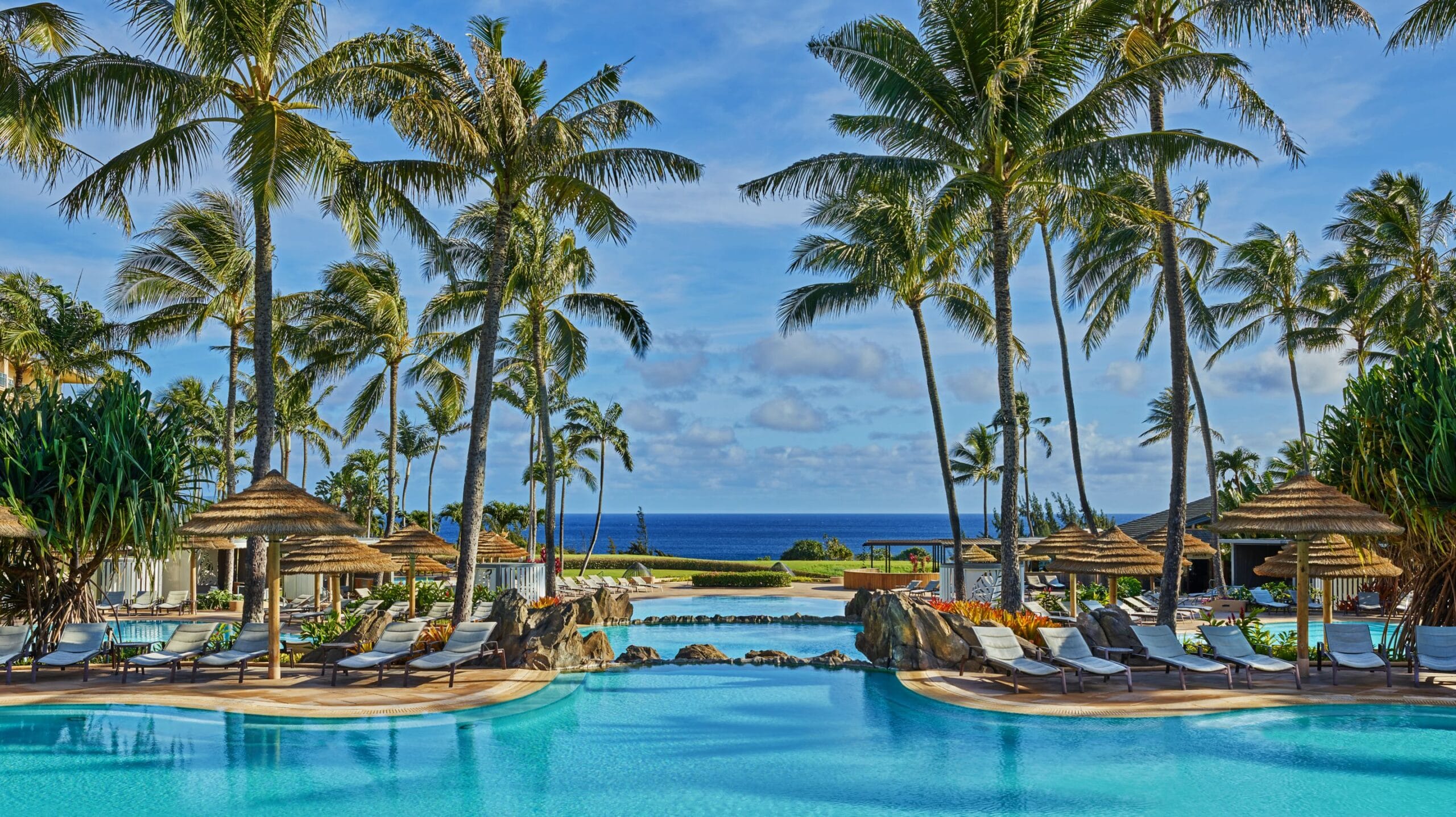
Photo Courtesy of The Ritz-Carlton
FAQs About Honolua Bay
Do I need a reservation for Honolua Bay?
Not at this time. A cultural sanctuary plan with reservations and shuttles has been proposed, but it has not been implemented. Monitor official updates before visiting.
Are there lifeguards or facilities?
No lifeguards; facilities are limited or temporary. Plan accordingly and pack out trash.
When is snorkeling best?
Late spring through summer mornings, on calm, clear days. Avoid after heavy rain or during north swells (winter surf season). Scout from the lookout first.
What rules apply in the MLCD?
No fishing or taking marine life; don’t touch coral. Maintain a safe distance from turtles, dolphins, and whales.
Which sunscreen is legal in Maui County?
Only mineral (zinc oxide or titanium dioxide) sunscreens are allowed without a prescription. Non‑mineral use/sale is prohibited by county ordinance.
Book When Honolua Isn’t Cooperating
- Morning: Molokini Crater + Turtle Town (5 hrs) — calm, clear, and skipper-supervised; ideal for families and first-timers.
- Afternoon: Coral Gardens (3 hrs) — warm light, protected reef, fun slide; perfect if you prefer to sleep in.
Responsible Visitor Checklist
- Check hazards and surf forecasts before you go.
- Pack mineral sunscreen and sun-protective clothing.
- Keep distance from wildlife (10 ft turtles; 50 yd spinner dolphins; 100 yd whales).
- Stay on the trail, respect private property and cultural sites.
- Take only photos, and leave the reef as you found it.
- If conditions look iffy from the lookout, don’t force it — book a boat.
Conclusion
Honolua Bay stands out as one of Maui’s most stunning natural treasures—a place where lush rainforest meets vibrant reef. Whether you come for snorkeling, photography, or simply to admire the view from the lookout, the experience feels like stepping into a living postcard. Respecting its marine life, following local rules, and exploring responsibly ensure this protected bay stays healthy for generations to come.
If conditions aren’t ideal, remember that Maui Snorkeling’s Molokini Crater and Turtle Town tours offer equally breathtaking underwater adventures—complete with expert guides, snorkeling gear, and meals included. Either way, Honolua Bay and its surrounding coastlines promise a memorable glimpse of Maui’s wild beauty and aloha spirit.
Snorkel Coral Gardens
Join our Afternoon Snorkeling Tour and discover vibrant coral reefs, tropical fish, and crystal-clear waters!


