Written by
Maui Snorkeling, operating tours to Molokini Crater, Turtle Town, and Coral Gardens from Māʻalaea Harbor since 1985. Tours are led by USCG-licensed captains aboard a
USCG-inspected passenger vessel.
Quick Answer: Is the Lahaina Banyan Tree Open Right Now?
The Lahaina Banyan Tree is alive and continuing to recover, but Banyan Tree Park remains closed to the public. Nearby roads have reopened, but that doesn’t mean visitors can enter the park or walk beneath the tree.
If you’re planning to visit the area, check
MauiRecovers
for current access guidance and respect all fencing and posted restrictions. Giving the tree room to heal is one small way to support Lahaina’s recovery.
Few landmarks are as closely connected to Lahaina as its banyan tree. Planted in 1873, it became a familiar gathering place where residents and visitors enjoyed shade, art, and community celebrations. Its survival after the August 2023 wildfire marks a new chapter for this much-loved landmark, even as its recovery continues.
Lahaina Banyan Tree update
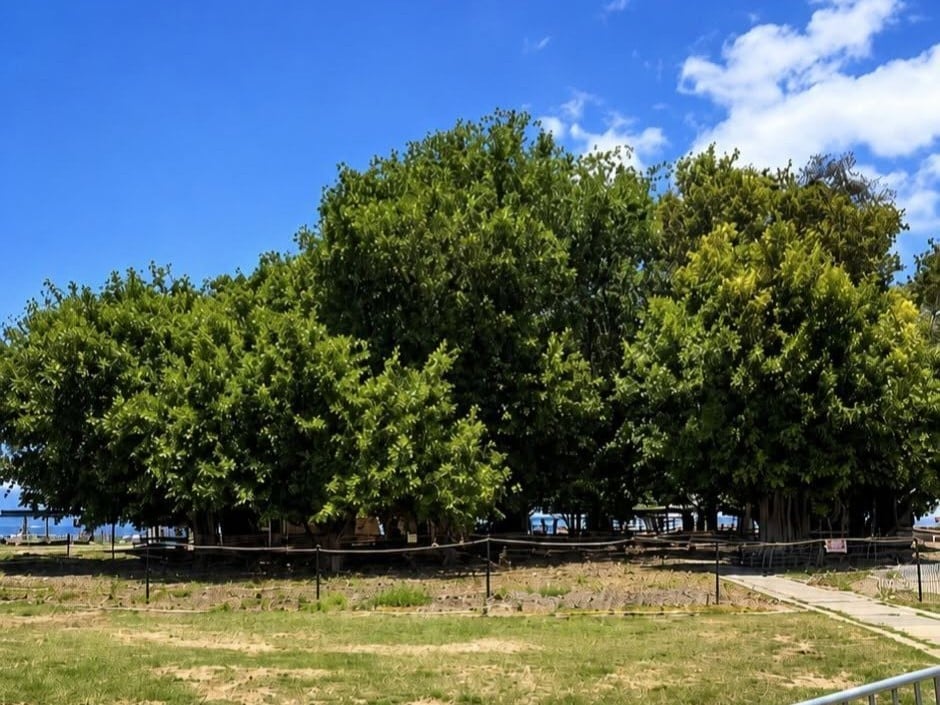
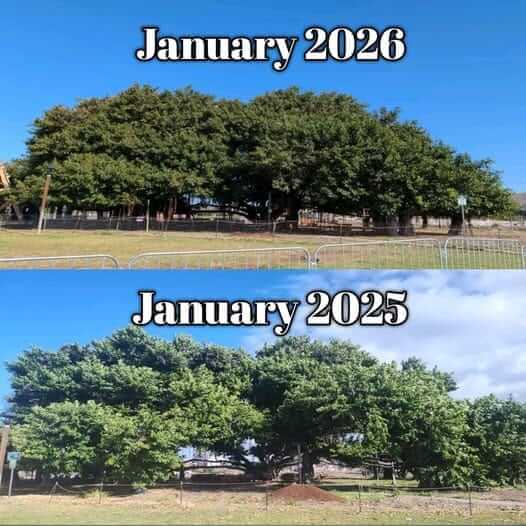
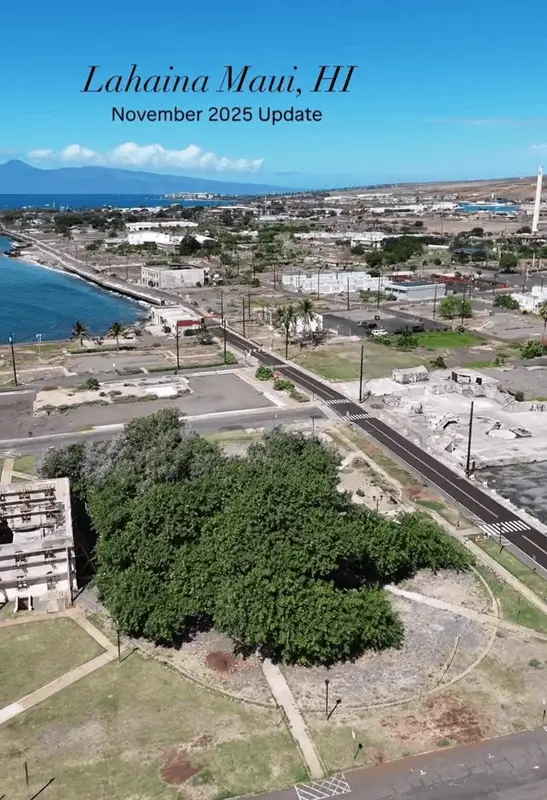
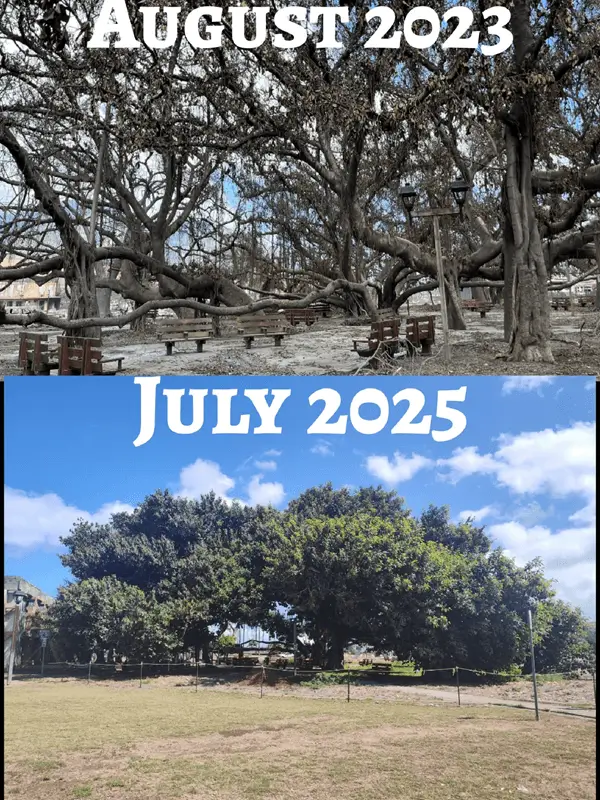
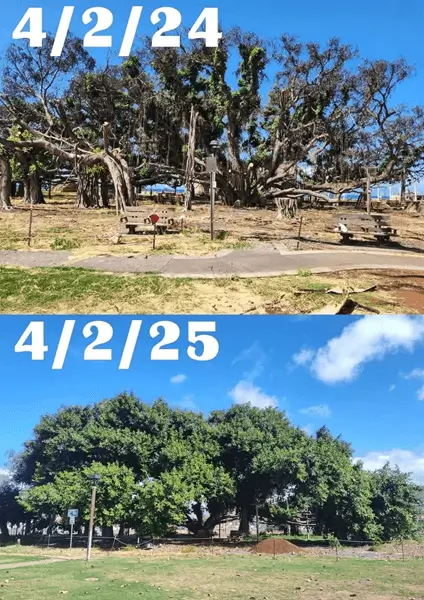
There’s encouraging news: the Lahaina Banyan Tree is alive, and its surviving canopy is growing new leaves. In an August 2026 report by Aloha State Daily, Maui County Arborist Committee chair Duane Sparkman explained that the tree still needs time and space to heal.
Following an assessment in May, arborists decided to keep the tree fenced off for another two years. That estimate isn’t a confirmed reopening date. For now, visitors should enjoy any permitted views from outside the fencing and check MauiRecovers for current access guidance.
Where is the Lahaina Banyan Tree?
The Lahaina Banyan Tree stands in Lahaina’s historic core next to the Old Lahaina Courthouse and near Lahaina Harbor. The Lahaina Banyan Court Park is a 1.94-acre site and is home to the oldest living banyan tree on Maui. Lahaina served as the capital of the Kingdom of Hawaiʻi from 1820 to 1845, which is part of why this area carries so much historic significance.
Why is the Lahaina Banyan Tree so famous?
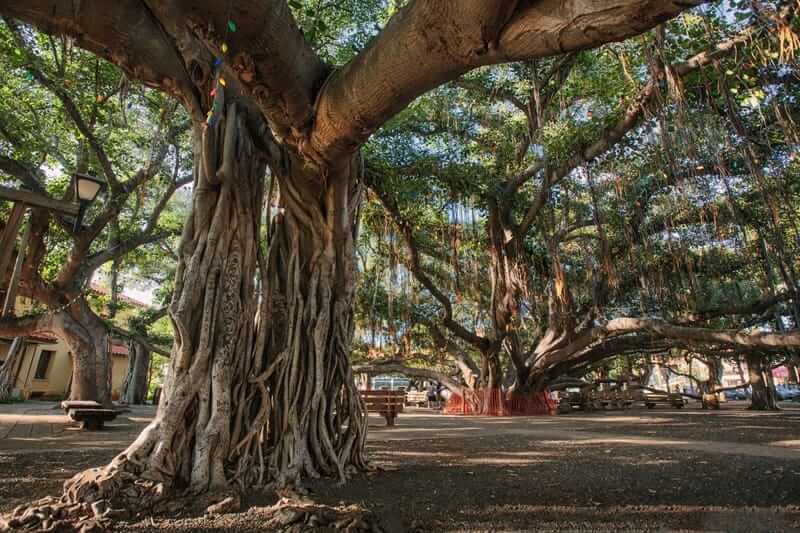
This isn’t just a big tree. It’s a living landmark. People planted it on April 24, 1873, to mark the 50th anniversary of the first Protestant mission in Lahaina. Before the wildfire, its sprawling canopy helped make it one of West Maui’s most recognizable sights.
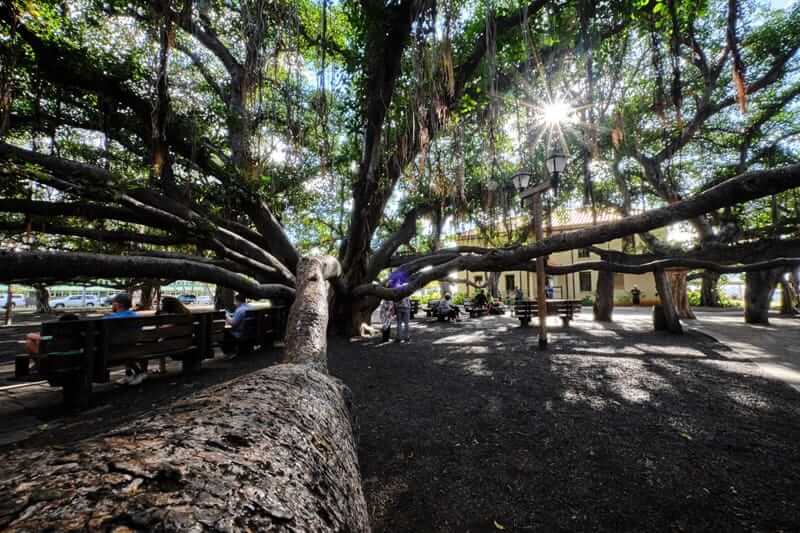
For generations, the tree has been part of what people picture when they think of historic Lahaina. Before the wildfire, the shady area around it drew art, community events, and everyday strolls through town. That history is a big reason the tree still matters to residents and visitors today.
Events Historically Held at Banyan Tree Park
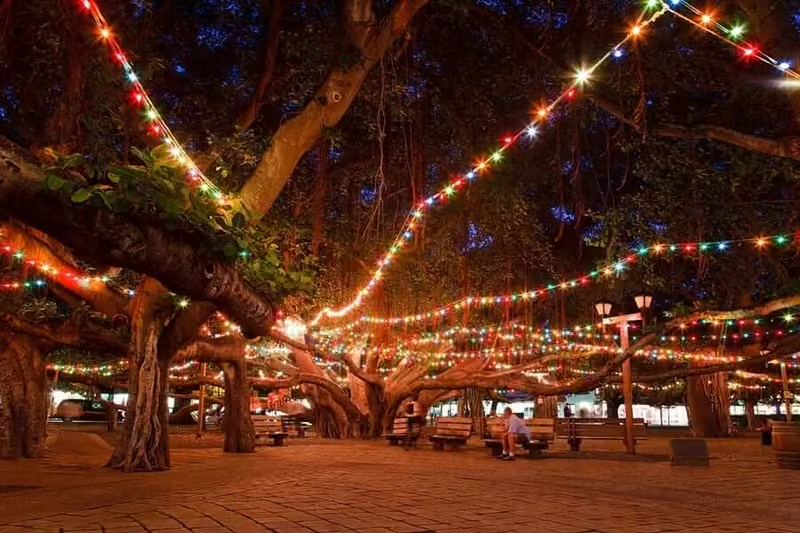
Before the August 2023 wildfire, Banyan Tree Park was one of Lahaina’s best-known gathering places. The park hosted art festivals, holiday lighting celebrations, Halloween activities, performances, Kamehameha Day events, and other community gatherings beneath the tree’s canopy.
The tree’s 150th birthday was also celebrated in April 2023. These events remain an important part of the park’s history, but visitors shouldn’t assume they’re currently taking place beneath the tree. Some activities have moved to other Lahaina locations while recovery work continues.
Can you visit the area right now?
Access around Lahaina continues to change as rebuilding progresses. Maui County says Front Street from Pāpalaua Street to Shaw Street reopened to vehicle traffic on August 1, 2026, with no regularly restricted hours. Dickenson and Prison streets also reopened.
Market Street, Papelekane Street, and Mokuhinia Place will remain closed while work continues. Temporary road closures may also happen during ongoing construction.
The County’s road reopening announcement does not reopen Banyan Tree Park, which remains closed to the public. Don’t enter fenced, private, or posted restricted areas, and check MauiRecovers for the latest guidance before you go.
Planning a Visit to Lahaina Today?
Lahaina’s access, road conditions, parking, and recovery work can change as rebuilding continues. Before heading to the historic district, read our Lahaina Today visitor update for the latest information on what’s open, what’s still closed, and how to visit respectfully.
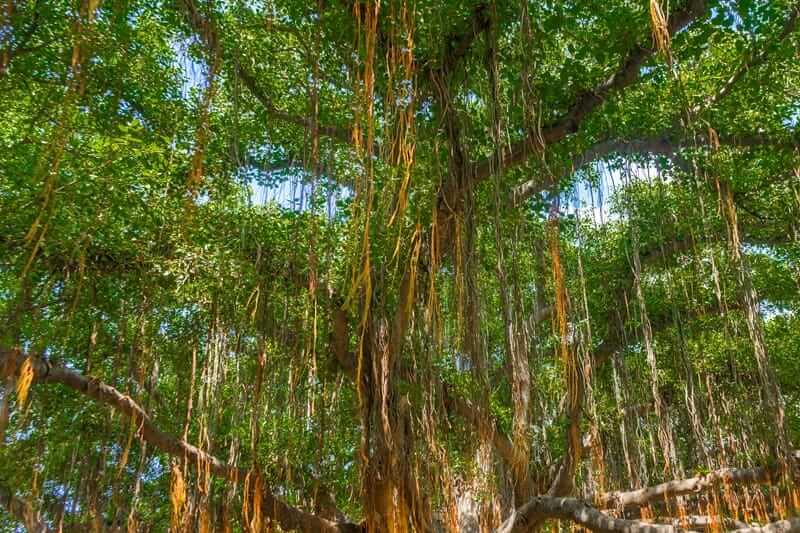
The Lahaina Banyan Tree before the August 2023 wildfire. Photo Courtesy of
Lahaina News
Lahaina Banyan Tree Recovery Timeline
Explore recent photos and updates showing how the Lahaina Banyan Tree has changed during its ongoing recovery.
How to support Lahaina’s recovery
The best way to support Lahaina is to respect closures, follow recovery guidance, and support verified local organizations working on recovery and preservation. MauiRecovers remains the County’s main recovery hub, and the Lahaina Restoration Foundation continues to play a major role in caring for Lahaina’s historic places, including Banyan Tree Park.
Sources & Updates
Use these pages to check current Lahaina access, Banyan Tree Park updates, tree recovery and safety information, and historical details before visiting. Access conditions can change as rebuilding continues.