Written by
Maui Snorkeling, operating tours to Molokini Crater, Turtle Town, and Coral Gardens from Māʻalaea Harbor since 1985. Tours are led by USCG-licensed captains aboard a
USCG-inspected passenger vessel.
Quick Answer
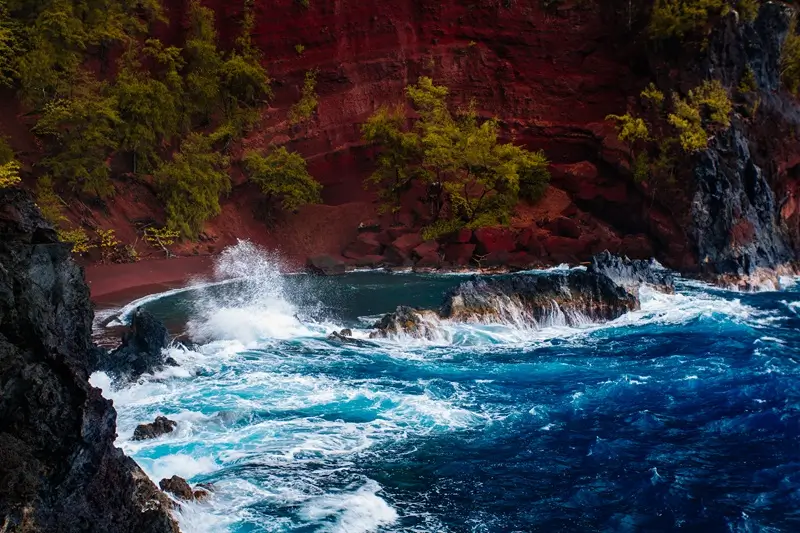
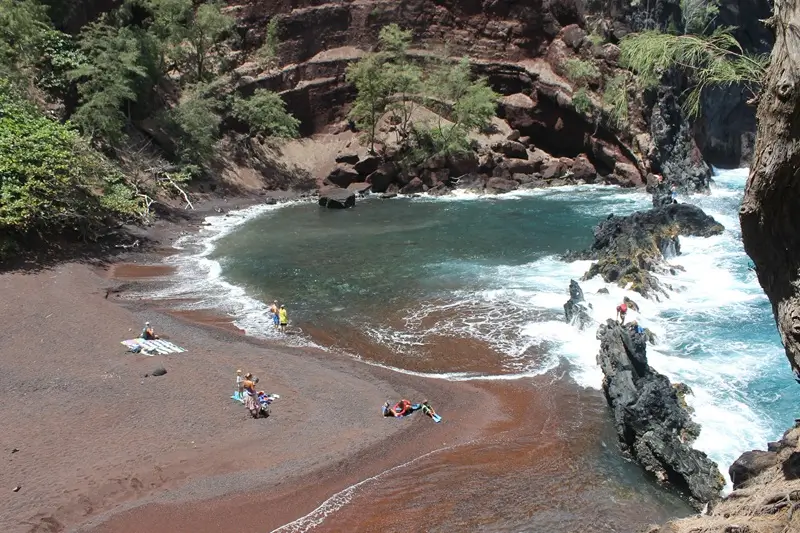
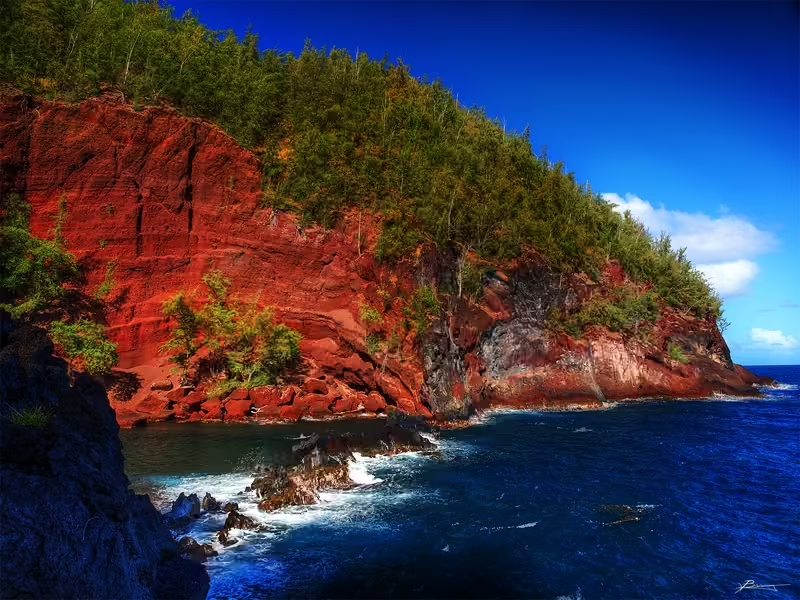
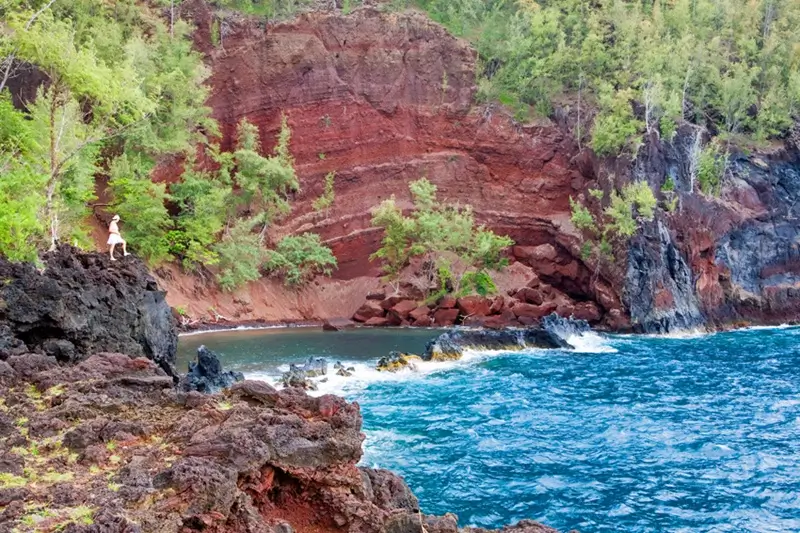
Red Sand Beach Maui, also called Kaihalulu Beach, is known for its rust-red shoreline, volcanic cliffs, and striking blue water. Those photos understandably catch travelers’ attention, but there’s more to the story than the scenery.
This guide explains what gives the beach its distinctive color, the community’s concerns about access, and other beautiful Hāna stops you can enjoy instead.
Main Takeaways:
- Best For: Learning what to expect before deciding if this stop belongs in your Road to Hāna plans
- Access: The route isn't officially managed and can be narrow, slippery, and exposed
- Parking: There isn't a dedicated parking lot, and parking in Hāna can affect local roads and residents
- Swimming And Snorkeling: Not recommended for most visitors because conditions can change quickly and there aren't lifeguards nearby
- Other Hāna Stops Consider Waiʻānapanapa for black-sand scenery, Hāmoa for sandy beach time, or Koki for coastal views. Each has its own access requirements and ocean conditions.
Red sand, dark volcanic cliffs, and bright blue water make Kaihalulu one of Maui’s most recognizable coastal scenes. If those photos caught your attention while planning the Road to Hāna, you’re probably wondering whether it belongs on your itinerary.
There’s an important difference between admiring the scenery and planning a visit. Here’s what to know about the beach’s unusual color, local access guidance, and other beautiful Hāna stops to consider instead.
Red Sand Beach Maui At A Glance
Here’s a quick overview of Kaihalulu’s setting, access concerns, and what to consider when planning your Hāna itinerary.
| Topic |
Details |
| Area |
East Maui, near Hāna town |
| Also known as |
Kaihalulu Beach and Red Sand Beach Hāna |
| Known for |
Rust-red volcanic sand, steep cinder cliffs, and striking coastal scenery |
| Planning focus |
Learning about Maui’s volcanic coastline and choosing a respectful Hāna itinerary |
| Visitor recommendation |
Leave Kaihalulu off recreational itineraries in line with East Maui Ready’s March 3, 2024 standing advisory |
| Access |
Not a maintained public beach-park route; the local advisory identifies unstable footing and private-land crossings |
| Parking |
No dedicated beach parking lot. Don’t use private property or block driveways, roads, or emergency access. |
| Facilities |
No lifeguards, public restrooms, or showers at the beach |
| Swimming and snorkeling |
Not recommended. The cove’s appearance doesn’t eliminate currents, surge, or difficult entry and exit. |
Note: This table explains why Kaihalulu isn’t a recommended itinerary stop. For other coastal scenery, see the Hāna beach alternatives below.
Where Is Red Sand Beach (Kaihalulu) in Hāna?
The Red Sand Beach in Hāna, Maui, is officially called Kaihalulu Beach and sits just south of Hāna on Maui's eastern side, near the coastline bordering Hāna Bay.
Despite being close to Hāna town, the beach feels secluded and remote. The small cove sits beneath steep volcanic cliffs, giving it the dramatic red-and-blue contrast you’ve probably seen in photographs. Its tucked-away appearance shouldn’t be mistaken for easy access or gentle ocean conditions.
Why Is The Sand Red?
Kaihalulu’s reddish sand comes from the breakdown of iron-rich volcanic cinder around the cove. Oxidized iron gives the material its rusty color, creating a striking contrast with the dark shoreline rocks and blue ocean.
The beach is a memorable example of Maui’s volcanic landscape. Leave the sand and rocks where they belong to keep the landscape intact.
Kaihalulu Beach Access And Local Guidance
Kaihalulu is near Hāna town, but it isn’t a maintained public beach-park stop. In its March 3, 2024 standing advisory, Hoʻomakaukau Maui Hikina, also called East Maui Ready, asked visitors to leave Kaihalulu off recreational itineraries because of unstable access, private-land crossings, injuries, and pressure on local emergency responders.
We recommend planning another Hāna stop rather than following online trail directions. A short walking distance doesn’t make the route straightforward, and dry weather doesn’t resolve the access concerns.
There’s no dedicated beach parking. Respect private property and posted restrictions, and never block driveways, gates, or emergency access.
Can You Swim Or Snorkel At Red Sand Beach?
We don’t recommend planning a swim or snorkel session at Kaihalulu. The cove’s sheltered appearance doesn’t eliminate currents, surge, or difficult entry and exit, and there’s no lifeguard.
Water conditions are only part of the concern. Reaching the beach involves the access issues described above, so staying out of the water doesn’t make the visit straightforward. If snorkeling is on your vacation wish list, plan it separately at a location suited to your experience and that day’s conditions.
Cliff Safety
The surrounding cliffs are unstable. Rockfall does happen, especially after heavy rain. Always keep a safe distance from cliff faces and avoid climbing.
Respecting The Area And Hawaiian Culture
Red Sand Beach sits near culturally significant land and local neighborhoods.
Please remember to:
- Keep noise levels low
- Respect private property
- Leave no trash behind
- Avoid disturbing natural features
Being a respectful visitor helps preserve this special place for future generations. Check out our Visit Maui Responsibly for more tips!
Other Beautiful Beach Stops Near Hāna
You don’t need to visit Kaihalulu to enjoy East Maui’s remarkable coastline. These stops offer different scenery and make planning your visit easier.
- Waiʻānapanapa State Park: Choose this for black sand, volcanic coastline, and coastal views. Non-Hawaiʻi residents need advance entry reservations and parking reservations if arriving by vehicle. Plan around your reserved time, and don’t assume a park reservation means swimming conditions are suitable.
- Hāmoa Beach: Choose this for a sandy crescent beach and a relaxed shoreline stop. There’s no lifeguard, and surf can be powerful, so a beach visit doesn’t have to include swimming.
- Koki Beach: Choose this for reddish coastal scenery and views toward ʻAlau Island. Treat it as a shore-based stop rather than a swimming alternative because of strong currents and exposed surf.
Check out our Maui Beaches guide to learn more about the beaches we recommend on the island!
Final Thoughts
Kaihalulu’s red shoreline is a striking part of Maui’s volcanic landscape, but a beautiful photograph doesn’t tell the whole access story. Respecting the community’s guidance means leaving this stop off your itinerary.
You’ll still find plenty to love around Hāna, from Waiʻānapanapa’s black-sand coastline to Hāmoa’s sandy crescent and Koki’s ocean views. Choose the stops that fit your plans, leave time to enjoy them, and let the scenery be the highlight! 🌋🌴
Sources & Updates
Use these resources to read the local access advisory, plan alternative Hāna stops, and check road and ocean conditions before your trip.