マウイ島のビーチの警告標識と危険度評価:その意味とシュノーケリングを控えるべき時

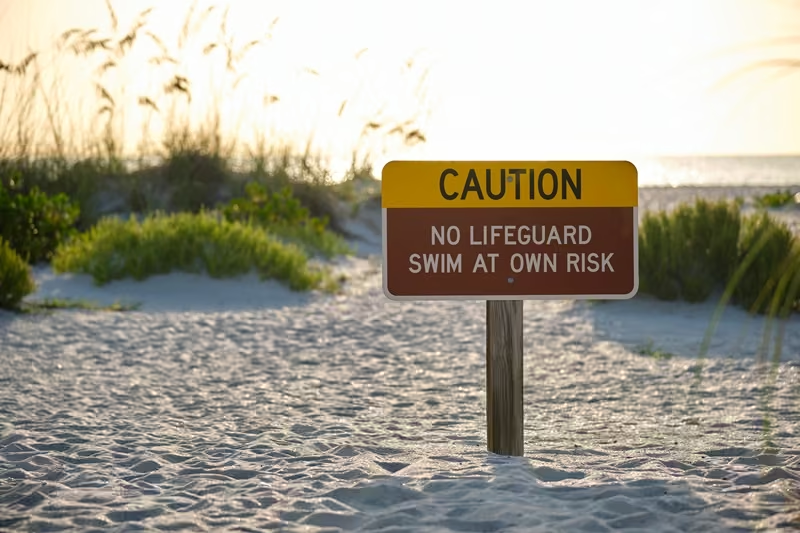
マウイ島のビーチには、ライフガードがいないため自己責任で泳ぐようにという警告標識が立てられています。
執筆者 マウイ シュノーケリング, 1985年以来、マアラエア港からモロキニ・クレーター、タートル・タウン、コーラル・ガーデンへのツアーを運航しています。ツアーは、米国沿岸警備隊の免許を持つ船長が乗船し、 米国沿岸警備隊の検査を受けた旅客船.
最終更新日:2026年9月17日

簡単な回答

マウイ島のビーチ警告標識 identify specific hazards such as strong currents, dangerous shorebreak, high surf, marine life, and No Swimming conditions. At lifeguarded beaches, ハワイの公式ビーチ危険度評価 are Yellow for Caution, Red for High Hazard, Black for Extreme Hazard, 、そして Closed. Red and Black are not snorkeling conditions, and a closed beach should never be entered. If no rating is posted, conditions may still be unsafe. Read every posted sign and ask a lifeguard before entering the ocean.

主な要点:

  • Yellow: Caution: Hazards may still be present. Ask a lifeguard, and enter only if you can swim independently and feel comfortable in the conditions.
  • Red: High Hazard: Stay out of the ocean and skip snorkeling.
  • Black: Extreme Hazard: Stay out of the water and remain well beyond the reach of waves.
  • Closed or No Swimming: Do not enter the beach or water area, and follow all posted instructions.
  • Other Flags: Meanings can vary by location, so follow the posted legend and lifeguard instructions.
  • 最良のルール: 迷ったら、入らないでください。.

あなたはマウイ島にいる。肘には日焼け止めが塗られ、トランクにはシュノーケルが積まれ、海はキラキラと輝き、まるで絵葉書の中にいるような気分にさせてくれる。.

すると、警告標識が目に入る。あるいは旗が。あるいはその両方が。.

そしてあなたはこう思うでしょう。「これはマウイ島ではよくあることなのか、それとも海が私に『座って軽食を食べなさい』と丁寧に言っているのだろうか?」“

朗報です。あなたはグループの中で、30秒でビーチの地形を解読できる人物になろうとしています。.

あらゆる標識や旗に勝る唯一のルール

このガイド全体を通して一つだけ覚えておいてほしいことがあるとすれば、それはこれです。 迷ったら、入らないでください。. マウイ島の海は素晴らしいが、状況は急速に変化するため、警告標識が設置されているのには理由がある。.

また、マウイ島の現実を改めて確認すると、多くのビーチは いいえ ライフガードは常駐していません。旗や標識がないからといって安全とは限りません。単に誰もいなくて何も掲示していないだけの場合が多いのです。.

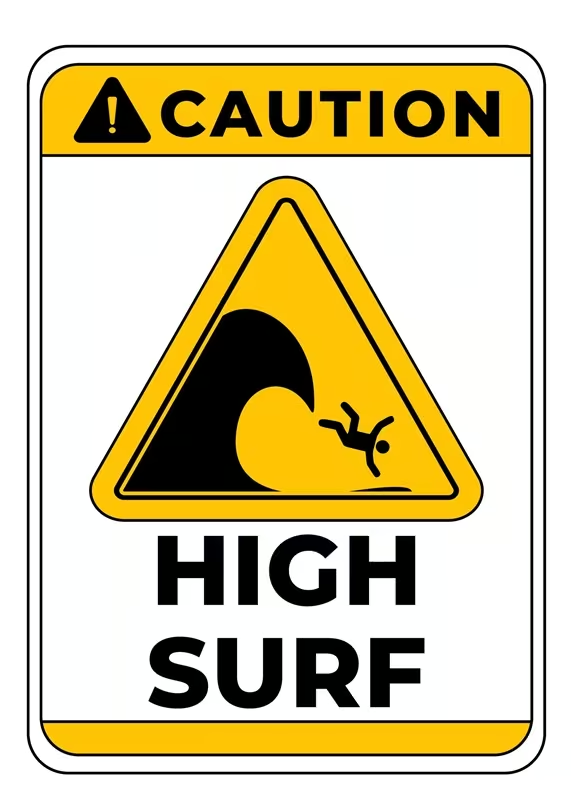
マウイ島の高波注意標識は、遊泳者やシュノーケリングをする人々に危険な波について警告している。

Signs Vs Hazard Ratings: What’s The Difference?

Beach warning signs identify a specific hazard at a beach or section of shoreline. Some signs are posted temporarily based on current conditions, while others remain in place because the hazard can occur at any time.

At lifeguarded beaches, Hawaiʻi’s hazard ratings summarize the current level of beach and nearshore risk. Yellow means Caution, Red means High Hazard, Black means Extreme Hazard, and Closed means the beach is closed. These ratings can change as ocean conditions change.

Other colored flags or signals may be used at a particular location, but their meanings can vary. Read the posted legend and ask a lifeguard before entering. If you can’t confirm what a signal means, stay out of the water.
Best practice: read every warning sign, check the current hazard rating, watch the ocean for a few minutes, and ask a lifeguard before you go in.

マウイ島のビーチでよく見かける警告標識

These are some of the most common warnings you’ll see on Maui and throughout Hawaiʻi. The wording can vary slightly by beach, but the message stays the same: ignoring it can hurt you.

危険な波打ち際

浅瀬では、ショアブレイク(海岸に打ち付ける荒波)によって砂浜に叩きつけられることがあります。波の大きさはそれほど大きくなくても危険な場合があるのです。岸辺で激しく波が砕けている場合は、ショアエントリーは避け、もっと穏やかなビーチでの一日プランを選びましょう。.

強い潮流

強い潮流は、入水地点から遠くへ流されてしまい、戻るのに大変な労力を要することがあります。荒れた水路、速い流れ、あるいは奇妙な形に積み重なった波を見かけたら、初心者向けのシュノーケリングには適していません。.

高波

高波とは、強力な波のエネルギーを意味します。 マウイ島の南からのうねり 天候が晴れていても、南マウイの露出した海岸沿いでは、波、砕波、潮流、高波が強くなることがあります。高波警報が出ている場合や、海岸線が荒れて混沌としている場合は、通常シュノーケリングは避けてください。.

遊泳禁止

これは海における「絶対にダメ」のサインです。遊泳禁止の標識を見かけたら、絶対に入ってはいけません。それは極めて危険な、生命を脅かす状況を示す標識です。.

クラゲとカツオノエボシ

ビーチでクラゲやカツオノエボシの注意喚起が出ている場合は、そのエリアには立ち入らないでください。砂浜で見かけたら、水際でもいる可能性があると考えてください。.

ハコクラゲの発生時期に合わせて旅行計画を立てたい場合は、こちらのガイドをご利用ください。 マウイ島ボックスクラゲカレンダー2026.

波が岩棚や滑りやすい岩に打ち付ける

岩場の海岸は一見涼しげに見えるが、波が忍び寄ってきて岩が滑りやすくなると、せっかくの休暇が病院通いに変わってしまう。こうした警告を見かけたら、濡れた岩場には近づかず、波打ち際から距離を保つようにしよう。.

サメが目撃された

サメ注意の標識を見かけたら、そのエリアには入らないでください。すでに水に入ってしまった場合は、落ち着いて水から上がり、ライフガードの指示に従ってください。.

ダイビング禁止

飛び込み禁止の標識は、水深が浅すぎる、濁っている、岩場が多い、または水深が不明である可能性があることを意味します。この警告が掲示されている場合は、岸、岩場、壁、棚、またはボートから飛び込まないでください。安全な状況の場合のみ足から水に入り、海底がはっきりと見えない場合はそのエリアを避けてください。.

急激な落ち込み

急な深みを示す標識は、海底が浅瀬から頭上まで水深が急激に変化する可能性があることを意味します。これは、子供、泳ぎの苦手な人、サンゴ礁を観察するシュノーケリングをする人にとって特に重要です。潮流、波、視界不良がある場合は、岩棚や深みのある場所を避けてください。.

How To Read Hawaiʻi Beach Hazard Ratings

At lifeguarded beaches, Hawaiʻi’s official hazard rating system uses Yellow, Red, 黒, 、そして Closed. These are beach and nearshore hazard ratings, not a universal flag code. Conditions can change quickly, so check the current rating and talk with a lifeguard before entering the ocean.

  • Yellow: Caution. This is the lowest hazard rating, but it doesn’t mean the ocean is hazard-free. Watch for changing waves, currents, shorebreak, and drop-offs. Only independent swimmers who feel comfortable in the conditions should consider entering.
  • Red: High Hazard. Swimmers are advised to stay out of the ocean. Don’t swim or snorkel, and avoid wet sand or rocks that waves can reach.
  • Black: Extreme Hazard. Stay out of the water and remain well beyond the reach of waves. Powerful currents, surge, and shorebreak can make the water and shoreline dangerous.
  • Closed. The beach is closed. Don’t enter the beach or water, cross barriers, or ignore official instructions.

You can review the complete system on Hawaiʻi Ocean Safety’s official beach hazard ratings page.

What About Other Beach Flags?

Other colored flags or signals may be used at a particular beach, but their meanings can vary by location. Don’t assume a flag definition from another state or a national guide applies on Maui. Read the posted legend and follow lifeguard instructions. If you can’t confirm what a flag means, stay out of the water.

Many Maui beaches aren’t lifeguarded and may not display a daily hazard rating. No posted rating doesn’t mean conditions are safe.

風の強い日にシュノーケリングを楽しむためのシンプルなプランをお探しなら、以下をご利用ください。 風の強い日にマウイ島でシュノーケリングを楽しむのに最適な場所.
Maui Beach Warning Signs And Hazard Ratings: What They Mean And What To Do

Use this quick table to understand Hawaiʻi’s official beach hazard ratings and common Maui warning signs. Other flag colors can be location-specific, so always follow the posted legend and lifeguard guidance at that beach.

Hazard Rating Or Warning Sign 意味 何をすべきか
Yellow: Caution This is the lowest hazard rating, but currents, shorebreak, waves, and other hazards may still be present. Ask a lifeguard about conditions. Enter only if you can swim independently and feel comfortable in the ocean. If you’re unsure, stay out.
Red: High Hazard High-hazard conditions are present. Swimmers are advised to stay out, and shoreline activity can also be dangerous. Don’t swim or snorkel. Stay away from wet sand and rocks that waves can reach.
Black: Extreme Hazard Extreme-hazard conditions are present. Strong currents, surge, and shorebreak can make the water and shoreline dangerous. Stay out of the water and remain well beyond the reach of waves.
Closed The beach is closed. Don’t enter the beach or water, cross barriers, or ignore official instructions.
Other Colored Flags Some beaches or agencies may use additional colored flags or signals. Their meanings can vary by location and aren’t part of Hawaiʻi’s official statewide hazard-rating sequence. Read the posted legend and ask a lifeguard what the signal means. If you can’t confirm it, stay out of the water.
高波 高波、強い波打ち際、または荒れた海況が発生する可能性があります。. 遊泳、シュノーケリング、波打ち際付近への立ち入りは避けてください。.
強い潮流 水は海岸沿いを速く流れている場合もあれば、海岸から遠ざかる方向に速く流れている場合もある。. 強い流れの標識が設置されている場合は、水に入らないでください。.
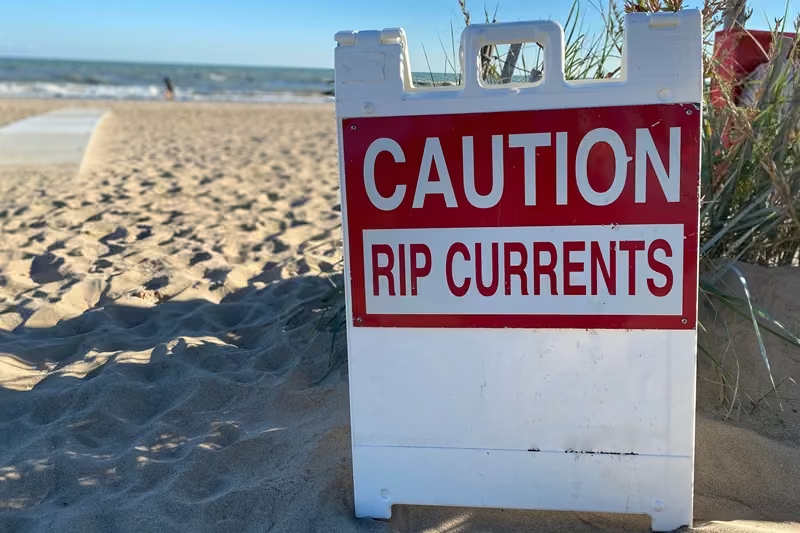
離岸流 狭く流れの速い潮流は、泳いでいる人を岸から遠ざけてしまう可能性がある。. Avoid entering the water. If you’re caught in one, float, call for help, and swim parallel to shore when possible.
危険な波打ち際 波は砂浜に直接打ち寄せるほどの威力があり、人を押し倒したり、怪我を負わせたりする可能性がある。. Stay out of the impact zone, and don’t turn your back on the ocean.
遊泳禁止の標識 極めて危険な、生命を脅かすような状況が存在する可能性があります。. Don’t enter the water. Choose another beach or make it a dry beach day.
ライフガードなし There isn’t a lifeguard on duty at that beach or area. Choose a lifeguarded beach whenever possible, and don’t enter if you’re unsure about the conditions.
ダイビング禁止 水深は浅い場合もあれば、濁っている場合、岩場の場合、あるいは水深が不明な場合もある。. Don’t dive. Enter feet first only if conditions are safe.
急激な落ち込み 海底は、浅瀬から深海へと急激に変化することがある。. 特に潮流、波、視界不良の時は、岩棚や急深な場所を避けてください。.
波が岩棚に打ち寄せる/滑りやすい岩 波が岩棚に打ち付ける可能性があり、濡れた岩は滑りやすく危険な場合がある。. 濡れた岩場には近づかず、波に洗われた岩棚からも距離を保ってください。.
クラゲ/カツオノエボシ 刺胞を持つ海洋生物は、水中にいる場合もあれば、海岸に打ち上げられている場合もある。. Don’t touch marine life. Check with a lifeguard, and skip the water if stinging hazards are present.
サメが目撃された その地域でサメの目撃情報または報告があった。. 水には入らないで、ライフガードまたは係員の指示に従ってください。.
茶色の水に関する注意喚起 大雨や雨水流出により、沿岸部の水質に影響が出た可能性があります。. Stay out of brown or murky water and check Hawaiʻi Department of Health advisories before entering.

Hawaiʻi’s official hazard-rating sequence is Yellow, Red, Black, and Closed. Other colored flags may be location-specific. Ratings and temporary warnings can change throughout the day, and no posted rating doesn’t mean conditions are safe. Review Hawaiʻi Ocean Safety’s official beach hazard ratings, read every posted sign, and ask a lifeguard before entering the ocean.

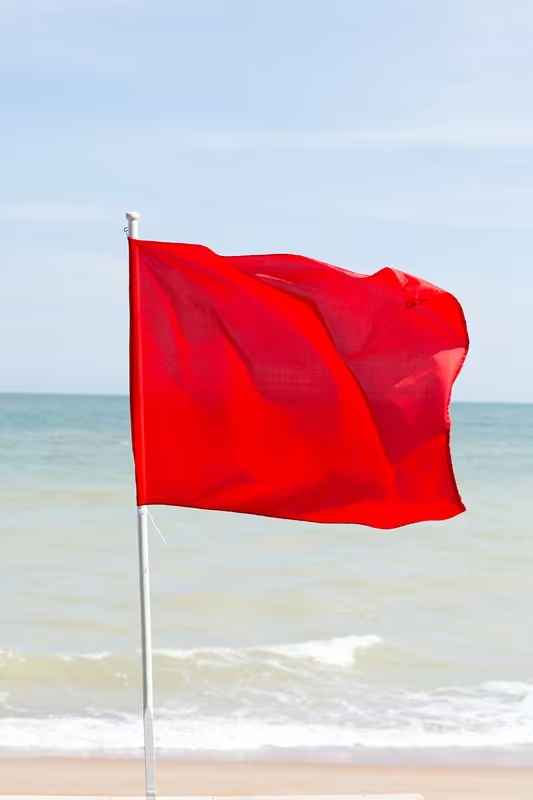
マウイ島の海水浴客やシュノーケリング客にとって危険な海況を示す赤い警告旗。

シュノーケリングの判断チェックリスト:いつやらないべきか

安全で楽しいシュノーケリング(ストレスのたまる運動ではない)が目的なら、このチェックリストを活用してください。

  • Closed or No Swimming: Don't enter the water.
  • Red or Black Hazard Rating: Stay out of the ocean and skip snorkeling.
  • Yellow Hazard Rating: Ask a lifeguard about conditions. Only independent ocean swimmers should consider entering; anyone unsure should stay out.
  • 強い潮流、高波、危険なショアブレイクの兆候: シュノーケリングは避けた方が良いでしょう。特に子供や初心者にはお勧めしません。.
  • 茶色の水または水質に関する警告: 水が澄み、注意報が解除されるまで、水泳やシュノーケリングは控えてください。.
  • あなたは不安を感じています: それが答えです。中に入らないでください。.

安全なシュノーケリング日を選ぶスキルを向上させたいですか?以下のツールをご利用ください。 安全にシュノーケリングを楽しむためのマウイ島のおすすめシュノーケリングスポット5選.

出発前に状況を確認する場所

ビーチへ車で行く前に必ず確認しておきたいことは、ライフガードがいるビーチの状況がハワイの海洋安全パートナーを通じて頻繁に更新されていることです。さらに、雨や雨水が混じっている場合は、海の天気と水質も確認してください。.

そして、すでにビーチにいる場合は、最も簡単な情報源が最良の方法であることが多い。それは、海に入る前にライフガードに何が起こっているのか尋ねることだ。.

マウイ島のビーチで水泳やシュノーケリングをする前に、ライフガードがいるかどうか、水質、そして海の天候という3つの点を確認しましょう。.

  • ハワイのビーチ安全対策/安全なビーチの日: マウイ島のビーチの最新の危険レベル(波、風、公共安全警報、ビーチ状況の最新情報など)を確認してください。ライフガードがいるビーチを選ぶ際には、まずこの情報を参考にしてください。.
  • ハワイ州保健局の水質に関する勧告: 特に大雨の後には、茶色の水に関する注意喚起、下水流出、細菌に関する懸念、掲示されている水質に関する通知などを確認してください。.
  • NOAA/国立気象局海洋予報: シュノーケリング、水泳、カヤック、ボート遊びをする前に、風、うねり、波、そして海の天候を確認してください。.

オンラインの最新情報は役立ちますが、状況はすぐに変わる可能性があります。到着したら、掲示されている標識を読み、数分間海の様子を観察し、ライフガードがいる場合は入水前に必ずライフガードに確認してください。.

よくわからない場合の対処法

ビーチの様子が分かりにくい場合は、ストレスの少ない次の行動を試してみてください。

  • ビーチを散歩して写真を撮る日にしよう
  • もっと安全な別のビーチを選んでください
  • 翌朝、もっと穏やかな時間帯に戻ってきてください。

よくある質問

Yellow means Caution. It’s Hawaiʻi’s lowest beach hazard rating, but it doesn’t mean the ocean is calm or hazard-free. Conditions can still include currents, shorebreak, waves, and sudden drop-offs. Ask a lifeguard about current conditions, and enter only if you can swim independently and feel comfortable in the ocean.

Red means High Hazard. Swimmers are advised to stay out of the ocean, so don’t swim or snorkel. Stay away from wet sand and rocks that waves can reach, and follow all lifeguard instructions.

Black means Extreme Hazard. Don’t enter the water. Strong currents, surge, shorebreak, and powerful waves can make both the ocean and shoreline dangerous. Remain well beyond the reach of waves.

Closed means the beach is closed. Don’t enter the beach or water, cross barriers, or ignore posted instructions. Choose another beach or make it a dry-land activity day.

Purple and Double Red aren’t part of Hawaiʻi’s official statewide hazard rating sequence of Yellow, Red, Black, and Closed. Other colored flags or signals may be used at a particular location, so read the posted legend and ask a lifeguard what they mean. Don’t assume a flag guide from another state applies on Maui.

No. Many Maui beaches aren’t lifeguarded and may not display a daily hazard rating. Conditions can also change quickly. Read every posted sign, watch the ocean before approaching the water, and ask a lifeguard when one is present. If you’re unsure, don’t go in.

A warning sign identifies a specific danger, such as strong currents, dangerous shorebreak, high surf, or No Swimming conditions. A hazard rating summarizes the overall level of risk at a lifeguarded beach. Both matter, so follow the most restrictive warning you see.

始めに Hawaiʻi Ocean Safety’s list of lifeguarded beaches and official hazard ratings. Its beach listings connect visitors with current-condition information. Online reports aren’t a substitute for posted warnings, so confirm conditions with a lifeguard when you arrive.

マウイ島の海岸線付近の離岸流に関する警告標識

最終的なご意見

マウイ島のビーチにある警告標識や旗は、あなたの楽しい一日を台無しにするために設置されているのではありません。あなたの一日を楽しく安全に過ごすために設置されているのです。.

投稿内容をよく読み、目にしたものを尊重し、「もしかしたら」といった曖昧な表現を軽視しないでください。マウイ島は明日もきっと素晴らしい景色を見せてくれるでしょう。そして、最高のシュノーケリング体験とは、最後に笑顔で終えられる日なのです。.

ソースと更新情報

Use these trusted resources to understand Hawaiʻi’s official beach hazard ratings, Maui beach warning signs, lifeguard coverage, water quality advisories, and marine weather before you swim or snorkel.

トリップアドバイザー トラベラーズチョイスアワード 2025

お客様へ感謝申し上げます

マウイ・シュノーケリングが2025年トラベラーズチョイス賞を受賞しました!

トラベラーズチョイスは、トリップアドバイザーに掲載されている上位10%の体験を認定するものです。.

トリップアドバイザーのページをご覧ください