1985 年からマアラエア港からモロキニ島とタートル タウンへのツアーを運営しているマウイ シュノーケリング チームが執筆しました。私たちは陸上よりもこの海域で過ごす日数の方が長いのです。
最終更新日: 2026年1月
マウイ島はハワイで野生動物を体験できる最高の場所の一つです。 海でも陸上でも。. 色鮮やかなサンゴ礁の魚たちと一緒にシュノーケリングをしたり、海岸沿いでウミガメを見つけたり、あるいは内陸部で在来種の鳥を見たりと、野生生物との出会いはマウイ島旅行を特別なものにする大きな要素です。.
とはいえ、マウイ島での野生動物の目撃は 保証されることはありません。. 何が見られるかは、場所、季節、時間帯、海の状況、そして少しの運次第です!海が活気に溢れる日もあれば、動物たちが近寄らない日もあります。.
このガイドでは、 マウイ島でどんな野生動物が見られるのか、どこで見られるのか、一年で最も良い時期はいつなのか、そして責任を持って動物を観察する方法そうすれば、現実的な期待を設定して、マウイ島の野生生物を正しい方法で楽しむことができます。.
マウイ島の野生動物クイックリスト(陸+海)
時間がない場合には、このスキャン可能なリストで、マウイ島と最もよく関連付けられる動物の概要を簡単に確認できます。.
マウイ島で見られるかもしれない海の生き物たち
- ハワイのアオウミガメ(ホヌ)
- サンゴ礁に生息する魚類(モンガラカワハギ、ブダイ、チョウチョウウオ、クロハギなど)
- エイ(マダラトビエイ、マンタ)
- イルカ(ハシナガイルカ、バンドウイルカ)
- ハワイアンモンクアザラシ(稀ではあるが、可能性あり)
- ザトウクジラ(季節限定、冬季)
- タコ(へえ)
- 海鳥(海岸または船から見る)
マウイ島で見られるかもしれない陸上の野生動物
- ネネ(ハワイガン)
- 熱帯の鳥類(標高や生息地によって異なります)
- アカシカ(外来種)
- マングース(外来種)
- ヤモリと小型トカゲ
在来種と外来種
マウイ島には、ネネのように数千年かけて進化した動物もいれば、シカやマングースのように人間によって持ち込まれた動物もいます。どちらも現在ではよく見られますが、在来種は生き残るために特別なケアと保護が必要です。.
マウイ海洋野生生物
マウイ島の海の生物は、多くの観光客を惹きつけています。穏やかな湾、健全なサンゴ礁、そして季節ごとの回遊により、マウイ島はハワイでも海岸や水上から海洋生物を観察できる最高の場所の一つとなっています。.
サンゴ礁に生息する魚やウミガメなど、毎日よく見られる動物もいます。一方、エイ、イルカ、モンクアザラシ、クジラなどは、時期、場所、海の状況に大きく左右されます。以下のブロックを参考に、何に注意すべきか、そして責任ある観察方法を学びましょう。.
ハワイアオウミガメ (ホヌ)
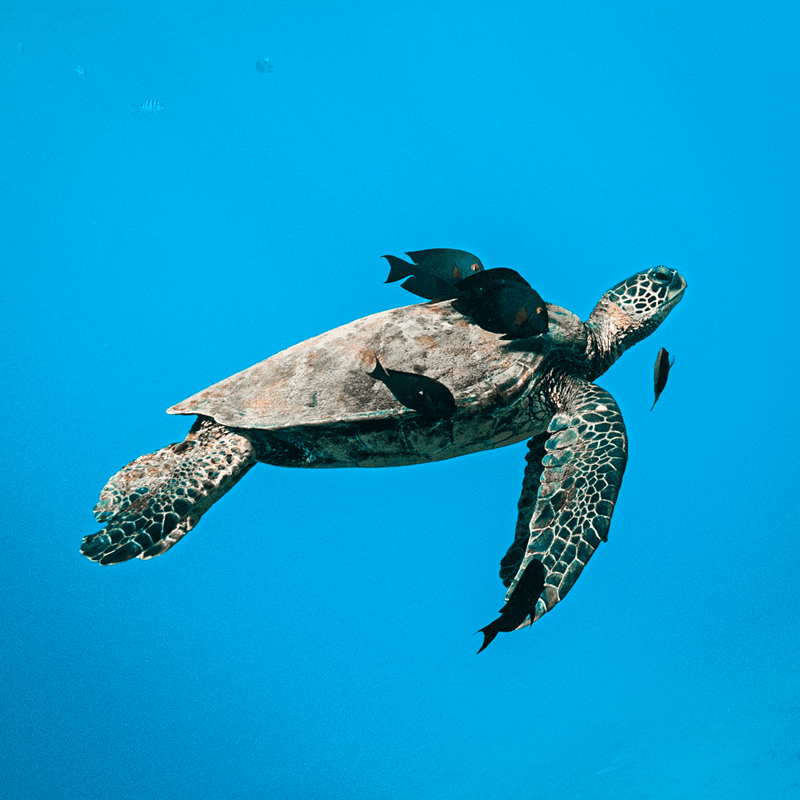
ホヌはマウイ島で最も象徴的な海洋生物です。この古代のウミガメは浅瀬のサンゴ礁をゆっくりと優雅に移動し、数分ごとに水面に浮上して呼吸をしてから、藻類を探し続けます。.
- サンゴ礁のすぐ上を滑空する滑らかな楕円形の貝殻を探します。.
- カメが呼吸するために少しの間水面に浮上するのを観察します。.
- 少なくとも 10フィート 離れて。.
- 決してカメの進路に触れたり、邪魔したりしないでください。.
- カメが近づいてきたら、じっとしていて通り過ぎさせてください。.
熱帯サンゴ礁の魚
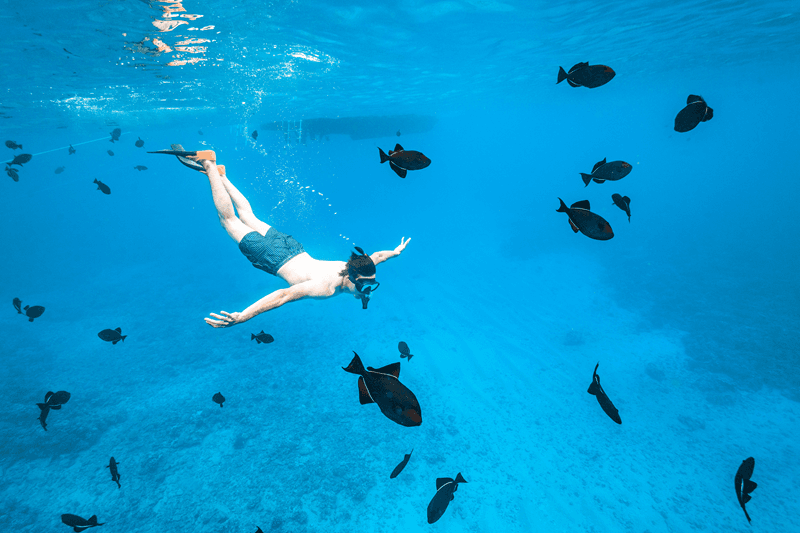
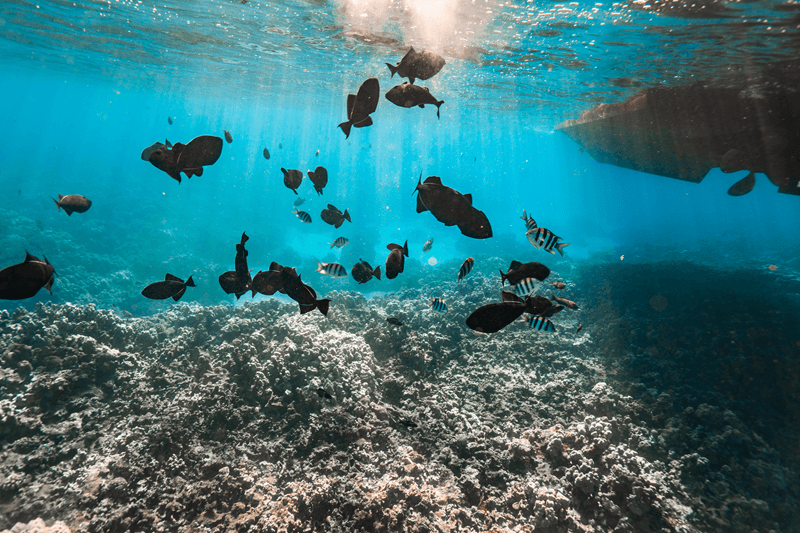
マウイ島でシュノーケリングをすると、最も多くの種類の海洋生物がサンゴ礁に生息する魚に出会います。鮮やかな色彩、縞模様、そして群れをなした魚たちが、島中のサンゴ礁や溶岩の間を泳ぎ回ります。.
- サンゴ礁や岩の割れ目をよく観察してください。.
- ゆっくりしてください。急ぐのをやめると、どこにでも魚が現れます。.
- 魚に触ったり餌を与えたりしないでください。.
- サンゴを蹴ったり、サンゴ礁の上に立ったりしないでください。.
エイ類(トビエイとマンタ)
エイは「まさにその場所、まさにその時間」にしか見られない特別な生き物です。姿を現すと、砂地の水路や深いサンゴ礁の縁を軽々と滑空し、現れた時と同じくらい静かに姿を消すことも少なくありません。.
- より深いサンゴ礁の縁と砂地の水路
- 時々ボートに乗っているときや横断しているとき
- エイに向かって飛び込まないでください。.
- 落ち着いて、自然に治まるのを待ちましょう。.
イルカ(スピナーイルカとバンドウイルカ)
マウイ島周辺にはイルカが生息していますが、目撃されるのは主に岸ではなくボートからです。イルカは連邦法で保護されており、特に休息中の群れの周りでは、敬意を持って観察することが不可欠です。.
- イルカを追いかけたり、イルカに向かって泳いだりしないでください。.
- 決して彼らの進路を囲んだり、妨害したりしないでください。.
ハワイアンモンクアザラシ
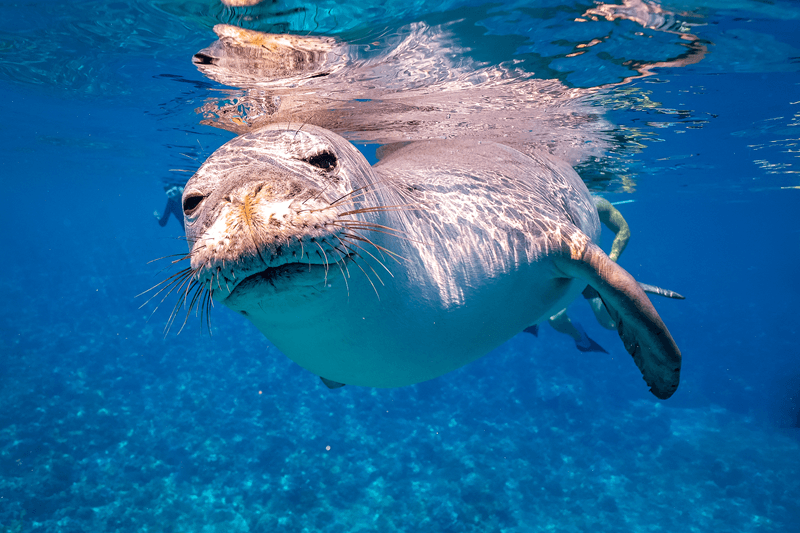
ハワイアンモンクアザラシは、世界で最も希少な海洋哺乳類の一つです。マウイ島では、目撃されることは稀ですが、忘れられない思い出となるでしょう。ビーチで静かに休んでいるアザラシの姿がよく見られます。.
- 十分なスペースを確保し、犬を近づけないようにしてください。.
- 群がったり、写真を撮るために近づいたりしないでください。.
ザトウクジラ(季節限定)
毎年冬になると、ザトウクジラは繁殖と出産のためにハワイ海域に回遊します。マウイ島は世界でも有数のクジラ観察スポットとなり、時には海岸からクジラを観察できることもあります。.
- 地平線上にある背の高い白い噴出口(「吹き出し」)を探します。.
- ブリーチング、テールスラップ、ヒレの波に注意してください。.
- 決して泳いでクジラに近づかないでください。.
- 陸上または許可された船舶からのみ観察してください。.

Maui Land Wildlife
Maui’s land wildlife is quieter than the ocean, but it’s still full of memorable sightings—especially if you explore upcountry, park areas, and more natural open spaces. Some animals are native and protected, while others were introduced and are now commonly seen across the island.
The cards below cover the land animals visitors most often notice on Maui, plus simple tips to spot them safely and respectfully.
Nēnē (Hawaiian Goose)
Nēnē are Hawaiʻi’s state bird and one of the most meaningful wildlife sightings you can have on Maui. They often graze in small groups in open grassy areas, and it’s not unusual to see them near roads in upcountry zones.
- Goose-like shape with a darker face and patterned neck.
- Often grazing slowly in open grass, sometimes with goslings.
- Upcountry parks and cooler elevation areas
- Roadside grass zones (especially early/late in the day)
- Give them space—don’t approach for selfies.
- Never feed wildlife.
- Drive slowly if you see them near the road.
Axis Deer
Axis deer were introduced to Hawaiʻi and are now common in parts of Maui. They’re beautiful animals, but they can also be a real driving hazard—especially at dawn and dusk when they’re more active and visibility is lower.
- Slender deer with white spots (often visible even on adults).
- Seen in open fields, brush edges, and sometimes near road shoulders.
- Rural areas and open grassy zones
- Along roads in less-developed areas
- Slow down at dawn and dusk—deer can dart into the road quickly.
Mongooses
Mongooses are small, fast mammals that you’ll sometimes see darting across parking lots, roadside areas, and landscaped walkways. Most sightings are quick—blink and they’re gone.
- Parking lots and roadside pull-offs
- Near trash bins and food areas
- Never feed wildlife—human food changes behavior and creates problems.
- Secure snacks and dispose of trash properly.
Geckos & Small Lizards
Geckos are everywhere on Maui—hotel walkways, patios, gardens, and especially near outdoor lights at night. They’re harmless, and they’re one of the easiest “wildlife wins” you’ll notice without even trying.
- Check near outdoor lights after sunset—bugs attract geckos.
- Look on warm walls and garden edges during sunny parts of the day.
Maui Birds
Many visitors mean “birds too” when they search for Maui wildlife. The good news: you don’t need to be an experienced birder to enjoy Maui’s bird life. A little patience—and a good lookout point—goes a long way.
Seabirds (From Shore Or Boats)
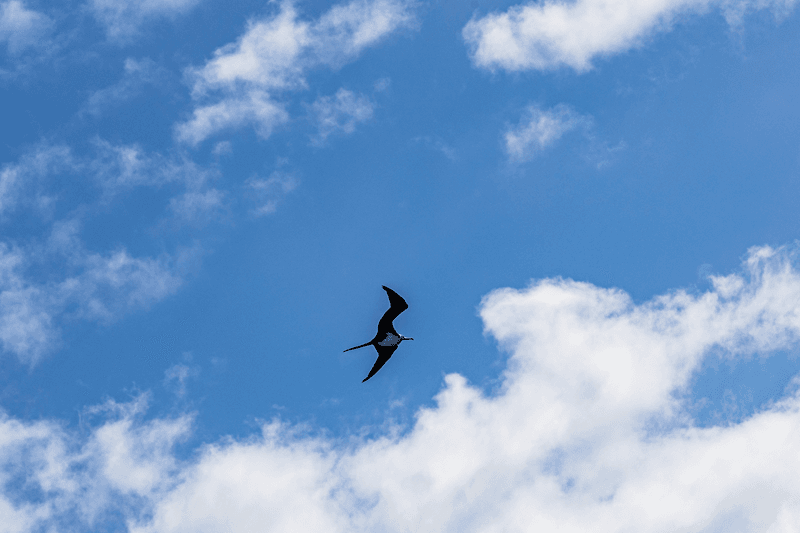
Even if you never “go birding,” you’ll likely spot seabirds on Maui. Watch for smooth gliding above cliffs, quick dives offshore, and birds cruising just above the surf line—especially on windy days.
- Coastal cliffs and rocky points
- Offshore waters during boat rides
Upcountry & Forest Birds
Bird species change a lot as you climb in elevation. Cooler upcountry zones and forested areas can reveal very different birds than the beach. The best approach is simple: go slow, stay on trails, and listen before you look.
- Bring binoculars (even compact ones).
- Wear neutral colors and avoid sudden movements.
- Stay on trails to protect habitat.
Best Places To See Wildlife On Maui
If you’re trying to plan the “best chance” spots, think in terms of habitat + conditions. Calm reefs tend to produce the most consistent marine sightings, while upcountry and forested areas are better for birds and native land wildlife. Below is a practical, by-area guide you can actually use while you’re here.
South Maui (Wailea & Kihei)
South Maui is one of the most reliable areas for shallow reef snorkeling and turtle sightings. On calm mornings, visibility is often better and the reef tends to feel more active.
- Best Time Of Day: Morning
- What To Bring: Reef-safe sunscreen, snorkel gear, water shoes (if shoreline is rocky)
West Maui (Kāʻanapali & Kapalua)
West Maui offers excellent shore snorkeling opportunities and frequent turtle sightings, but conditions can change fast. Always check ocean conditions before entering, especially if there’s swell or strong current.
- Best Time Of Day: Morning (calmest water)
- What To Bring: Snorkel float, fins, and a backup “calm bay” option
Central Maui (Maʻalaea)
Maʻalaea is a major harbor for snorkel and whale-watching departures, so it’s a strong area for boat-based sightings—especially dolphins and whales (in season).
- Best Time Of Day: Morning departures often have calmer conditions
- What To Bring: Light jacket (breezy on the water), motion-sickness prevention if needed
Upcountry & Haleakalā Area
Upcountry is your best bet for native land wildlife like nēnē and a wider range of birds. The cooler climate changes what you’ll see, and the scenery alone makes this area worth exploring.
- Best Time Of Day: Morning or late afternoon
- What To Bring: Light layers, binoculars, water
- Driving Note: Watch for wildlife near roads and drive cautiously
North Shore
The North Shore is often windier and rougher, but in winter it can be a great area for whale watching from shore. When conditions cooperate, you may spot spouts and breaches offshore.
- Best Time Of Day: Morning (less wind)
- What To Bring: Binoculars, hat, light wind layer
East Maui & Hāna
East Maui’s lush landscape supports different birds and plant life than the dry leeward side. The drive is part of the experience—just remember to use pull-offs safely and respect private property and local communities.
- Best Time Of Day: Earlier is better for safer driving and fewer crowds
- What To Bring: Rain jacket, snacks, water, patience
Maui Wildlife By Season
Maui wildlife is here year-round, but what you’re most likely to see changes with the seasons. Use this as a practical “what’s most likely” guide—without expecting guarantees.
Winter (Dec–Mar)
Best chance for humpback whale sightings from shore and boat. Ocean conditions can be more variable, so always choose protected spots and check conditions.
Spring (Apr–May)
A quieter shoulder season with fewer crowds. Many days offer excellent snorkeling, especially when trade winds are light.
Summer (Jun–Aug)
Peak snorkeling demand with warm water and consistent reef life. Whales are typically gone, but turtles and reef fish remain active.
Fall (Sep–Nov)
Great snorkeling continues with fewer crowds. Late fall can bring the first early whale sightings as the season begins to ramp up.
Wildlife Viewing Rules + Safety
This section is the difference between a great wildlife encounter and an accidental “bad moment.” These simple rules protect animals, keep you safe, and help preserve Maui’s wildlife for future visitors.
General Wildlife Etiquette
- Don’t touch, chase, surround, or feed wildlife.
- Keep voices low and movements slow.
- Give animals an “exit route.”
- Stay off dunes and sensitive areas.
Ocean-Specific Safety
- Don’t corner turtles or free-dive at animals.
- Avoid flash photography up close.
- Stay aware of currents, waves, and your surroundings.
Land & Road Safety
- Slow down in areas where animals cross.
- Don’t stop in unsafe spots to take photos.
- Don’t approach nēnē or deer for selfies.
What To Do If You Encounter Wildlife
If You See A Monk Seal On The Beach
- Give lots of space and keep dogs away.
- Don’t crowd or approach for photos.
- If volunteers rope off an area, stay outside it.
If A Turtle Swims Toward You While Snorkeling
- Stay still, give it room, and let it pass.
- Don’t dive down or try to “follow” it.
If You See Nēnē Near The Road
- Slow down and don’t honk.
- Never try to shoo them across the road.
If You Spot Whales From Shore
- Watch from land and never attempt to approach by swimming.
- Use binoculars and be patient—spouts can be brief.
Maui Wildlife FAQ
What Wildlife Can You See On Maui?
Maui wildlife includes sea turtles, reef fish, rays, dolphins, monk seals (rare), humpback whales in winter, native birds like nēnē, and introduced animals like axis deer.
What Is The Best Time Of Year To See Whales On Maui?
Winter whale season (late fall through early spring) offers the best chance, with peak sightings in mid-winter.
Where Is The Best Place To See Sea Turtles On Maui?
Calm bays and shallow reef areas are most reliable—especially in the morning when visibility is often best.
Are Monk Seals Common On Maui?
No. Monk seals are rare. If you see one resting on the beach, give lots of space and avoid crowds and pets near the animal.
Can You Swim With Dolphins In Maui?
No. Dolphins are protected and should never be chased, surrounded, or disturbed—especially when they’re resting.
Are There Dangerous Animals On Maui?
Most Maui wildlife is not dangerous when given space. The bigger risks are ocean conditions (currents/swell) and getting too close to animals on land or in the water.
What Land Animals Live On Maui?
You may see nēnē (native), birds, and introduced animals like axis deer and mongooses, plus common geckos and small lizards.
What’s The Best Way To See Maui Wildlife Responsibly?
Observe quietly, keep your distance, never feed wildlife, and choose safe conditions—especially for snorkeling and ocean viewing.
Conclusion: Experience Maui Wildlife The Right Way
Maui wildlife is unforgettable when viewed respectfully. Give animals space, respect ocean conditions, and let encounters happen naturally—those are the moments you’ll remember most.