Written by
Maui Snorkeling, operating tours to Molokini Crater, Turtle Town, and Coral Gardens from Māʻalaea Harbor since 1985. Tours are led by USCG-licensed captains aboard a
USCG-inspected passenger vessel.
Quick answer
English and Hawaiian are the official languages of Hawaii, but English is the language visitors will use most often. You’ll also see and hear Hawaiian words in place names, greetings, cultural sites, music, and everyday local life. Many locals also speak Pidgin, also known as Hawaiʻi Creole English.
Main takeaways:
- Official languages: English and Hawaiian are both official languages of Hawaii
- Visitor language: English is used at hotels, restaurants, tours, shops, airports, and most visitor services
- Hawaiian language: Hawaiian, also called ʻŌlelo Hawaiʻi, appears in place names, signs, songs, schools, and cultural traditions
- Pidgin in Hawaii: Pidgin is a local language rooted in Hawaii’s plantation history and multicultural communities
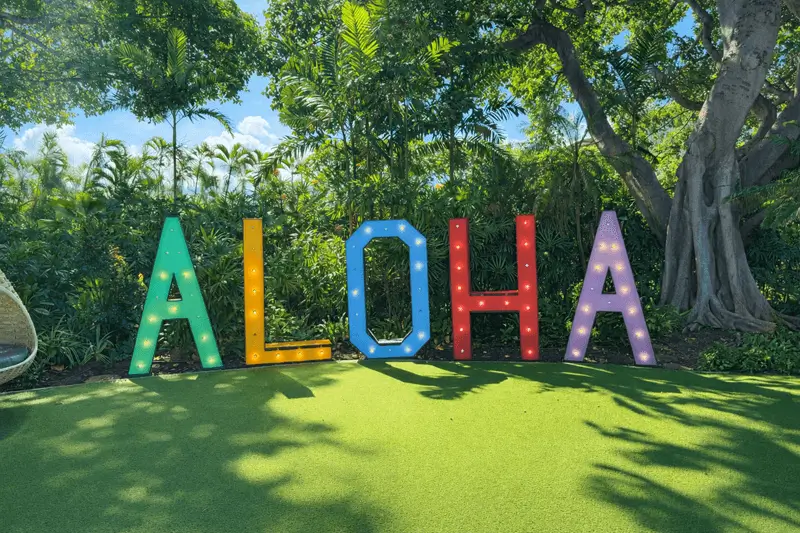
- Travel tip: Learn a few words like aloha, mahalo, mauka, makai, and ʻohana to better understand local signs, directions, and culture
If you’re planning a trip to Maui, you might be wondering: what language is spoken in Hawaii? The simple answer is that English and Hawaiian are the official languages of Hawaii. The real-life answer is a little more interesting because you’ll also see Hawaiian words, hear local Pidgin, and notice many other languages across the islands.
Good news: you don’t need to speak Hawaiian to visit Maui. You’ll use English at hotels, restaurants, shops, beach parks, airports, and on most tours. Still, learning a few Hawaiian words can help you pronounce place names, understand signs, and connect more deeply with local culture during your Hawaii vacation.
What Language Is Spoken In Hawaii?
English and Hawaiian are the official languages of Hawaii. For visitors, English is the language you’ll use most often in everyday travel situations. You’ll have no problem booking activities, ordering food, checking into hotels, shopping, or asking for directions in English.
At the same time, the Hawaiian language, also called ʻŌlelo Hawaiʻi, is part of daily life throughout the islands. You’ll see Hawaiian in place names, on road signs, at cultural sites, in music, at schools, in ceremonies, and in local expressions.
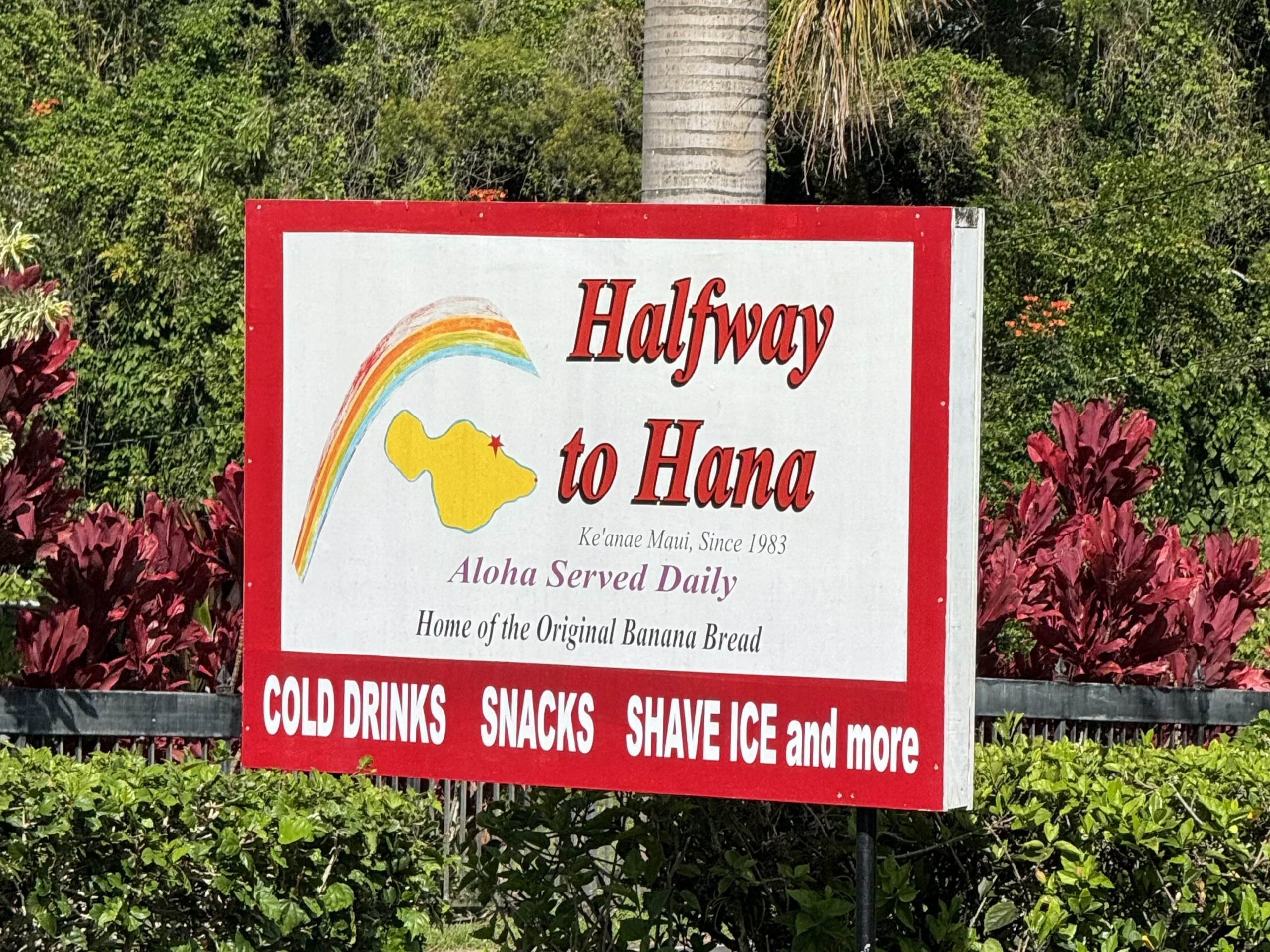
On Maui, Hawaiian words show up everywhere, especially in names like Kīhei, Hāna, Maʻalaea, Kāʻanapali, Lahaina, and Haleakalā. Learning how to say these names with care is a simple way to show respect while you explore the island.
Are Hawaiian And English Both Official Languages?
Yes. Hawaiian and English are both official languages in Hawaii. English is the most widely used language for business, travel, schools, restaurants, tours, and visitor services. Hawaiian is a Native language of Hawaii and plays an important role in culture, identity, place names, education, and community life.
For travelers, this means you’ll mostly speak English, but you’ll also encounter Hawaiian words throughout your trip. Even when a sign or menu is written in English, it may include Hawaiian words for places, directions, ocean features, winds, family, food, or cultural values.
What Languages Are Spoken In Hawaii Today?
If you’re asking, “What are the languages spoken in Hawaii?” the answer is: many. Hawaii is one of the most multilingual states in the United States. English is the main language used in public life, but many residents also speak other languages at home.
Common languages spoken in Hawaii include Hawaiian, Tagalog, Ilocano, Japanese, Chinese, Spanish, Korean, Samoan, and other Pacific Island and Asian languages. This mix reflects Hawaii’s Native Hawaiian roots, plantation history, immigration patterns, and multicultural communities.
For visitors, this diversity is part of what makes Hawaii special. You may hear different languages in local neighborhoods, restaurants, stores, cultural events, and family gatherings, while still being able to use English easily during your trip.
English, Hawaiian, And Pidgin In Hawaii
Most visitors will use English in Hawaii, but three language experiences often stand out during a trip: English, Hawaiian, and Pidgin.
- English: The everyday language visitors will use for hotels, tours, restaurants, shops, airports, and most travel needs
- Hawaiian: The Native language of Hawaii, seen in place names, cultural practices, songs, schools, signs, and local values
- Pidgin: A local language also known as Hawaiʻi Creole English, rooted in Hawaii’s plantation history and multicultural communities
Pidgin is an important part of local identity, but visitors shouldn’t treat it like a tourist phrasebook or try to imitate it. It’s better to listen respectfully, speak naturally, and focus on learning common Hawaiian words and place names.
How To Pronounce Hawaiian Place Names On Maui
Hawaiian pronunciation can feel unfamiliar at first, but it gets easier once you slow down and look for the ʻokina and kahakō. The ʻokina looks like a small curved mark and creates a brief pause. The kahakō is a line over a vowel that tells you to hold that sound a little longer.
- Maʻalaea: The ʻokina adds a small pause in the middle of the word
- Kīhei: The kahakō over the ī makes that vowel sound longer
- Hāna: The ā is held a little longer
- Haleakalā: Take your time and say each part clearly
You don’t have to be perfect. A careful, respectful effort is what matters most. When in doubt, listen to how local guides, cultural practitioners, and residents say a word, then do your best.
How To Start Learning The Hawaiian Language Without Getting Overwhelmed
If you want to start learning the Hawaiian language, keep it simple. You don’t need to memorize long word lists before your Maui trip. Start with pronunciation, common Hawaiian words, and the place names you’ll see every day.
- Learn the sounds first: Start with the ʻokina and kahakō. These two marks help you pronounce Hawaiian words more clearly and respectfully.
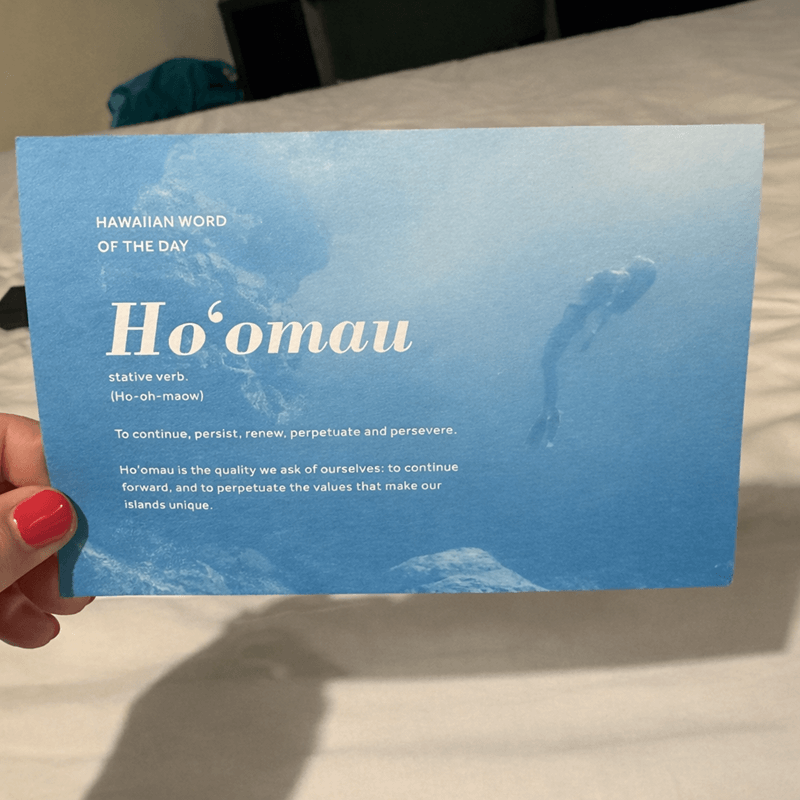
- Practice 10 core Hawaiian words: Begin with aloha, mahalo, mālama, ʻāina, ʻohana, makai, mauka, kai, keiki, and kuleana.
- Use Maui place names for practice: Words like Kīhei, Hāna, Maʻalaea, Kāʻanapali, Lahaina, and Haleakalā give you easy daily pronunciation practice.
- Look up words instead of guessing: If you’re doing an English-to-Hawaiian language search, use a trusted Hawaiian dictionary so you don’t accidentally use the wrong word.
- Listen before you speak: You’ll learn faster by listening to local guides, cultural practitioners, music, signs, and announcements.
The best way to learn Hawaiian as a visitor is to connect words with real places and experiences. On Maui, that might mean learning what makai means while looking toward the ocean, or hearing place names like Maʻalaea and Molokini during a snorkeling trip.
Final Tips Before Your Maui Trip
If you came here asking “what language do they speak in Hawaii,” the best takeaway is simple: you can use English everywhere, but learning a few Hawaiian words makes your Maui trip feel more connected and more respectful. Start with place names, add a handful of polite words, and sprinkle in a few ocean terms so you can smile when someone says “honu” and you actually know what to look for.
And if you want to hear Maui place names and ocean words in the most fun setting possible, come snorkel with us. We'll handle the gear and the conditions, you bring the curiosity and the mahalo!