Written by
Maui Snorkeling, operating tours to Molokini Crater, Turtle Town, and Coral Gardens from Māʻalaea Harbor since 1985. Tours are led by USCG-licensed captains aboard a
USCG-inspected passenger vessel.
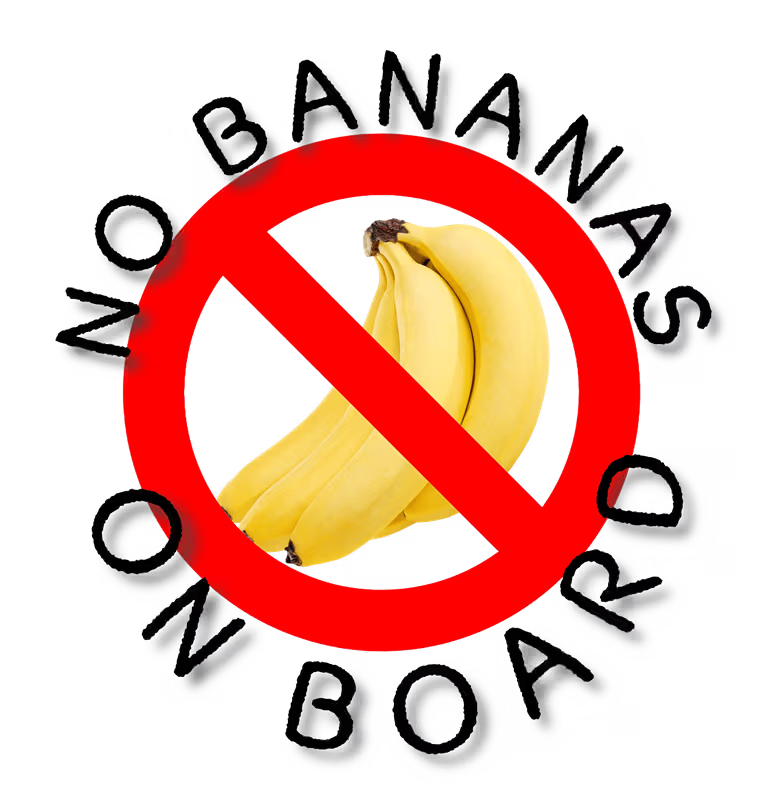
Quick Answer: Bananas are considered bad luck on a boat because of an old maritime superstition and a few practical problems sailors once associated with them, including fast spoilage, pests, and poor fishing luck. Today, the “no bananas on board” rule is mostly a fun boating tradition, but it’s still taken seriously by many captains, crews, and anglers.
Main Takeaways:
- Short Answer: Bananas became a boating bad luck symbol through maritime folklore and fishing tradition
- Historical Reason: Banana cargo was linked to overripening produce, hidden pests, and rushed voyages with poor outcomes
- Modern Meaning: Many boaters still avoid bananas as a long-standing superstition, especially on fishing boats
- On Snorkel Tours: It’s usually more tradition than safety rule, but guests should respect the crew’s preference
- What To Bring Instead: Pack other easy boat snacks like granola bars, apples, crackers, or trail mix
Aloha! Ever heard the old sailor's saying, "No bananas on board"? This quirky maritime superstition has been haunting seafarers for centuries, particularly those who cast their lines in search of the ocean's bounty. But where did this peculiar belief originate, and does it hold any water today? Let's dive into the murky depths of maritime lore and uncover the truth behind the banana boat curse.
Where the "No Bananas on Board" Superstition Came From
The origins of this superstition are as slippery as a banana peel on a wet deck. Some trace it back to the 1700s when wooden ships sailed the Caribbean, hauling bananas to Europe. These voyages were fraught with peril - storms, shipwrecks, crew members falling ill, and the dreaded spoilage of precious cargo. It's no wonder that bananas, often the only fruit left floating amidst the wreckage, became associated with misfortune.
Practical Concerns: Ripening, Spoilage, and Stowaways
Beyond superstition, there are a few practical reasons bananas may have earned a bad reputation at sea.
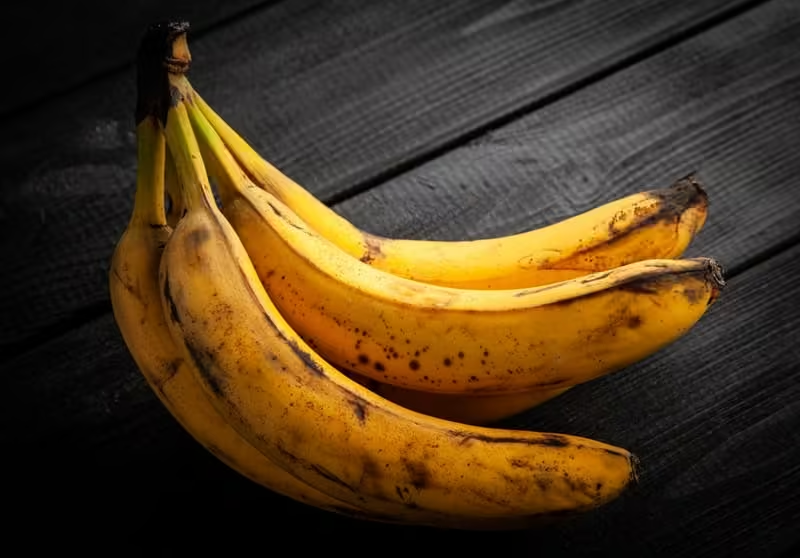
Bananas release ethylene gas, a natural plant hormone that speeds ripening. Before refrigeration and modern storage controls, this could cause nearby produce to ripen and spoil faster, making fresh food supplies harder to manage on long voyages.
Banana shipments also sometimes arrived with unwelcome stowaways, including spiders hidden in leaves, bunches, or cargo. That concern is rooted in reality, but it is often exaggerated: research on spiders found in banana shipments shows that many are harmless species that are commonly misidentified as more dangerous ones.
So while bananas were not literally “cursed,” they may have been associated with faster spoilage, tricky cargo conditions, and the occasional unpleasant surprise. Over time, those practical headaches likely helped reinforce the long-running superstition that bananas are bad luck on a boat.
Why Some Fishermen Still Avoid Bananas Today
Many fishermen still avoid bringing bananas on a boat, not because of proven science, but because the superstition has been part of fishing culture for generations. On the water, where conditions can change quickly, and luck often feels tied to the outcome, small rituals and traditions tend to stick.
Over time, bananas became a symbol of bad luck for some anglers. Some say they bring a slow day of fishing, while others associate them with general problems on board. There is no solid evidence that bananas themselves affect fish behavior or cause equipment issues, but beliefs like these often persist because fishing is unpredictable and people remember what they think went wrong.
A few practical concerns may have helped the superstition last. Banana peels can be slippery on a wet deck, discarded food can attract insects, and older concerns about spoilage may have added to the fruit’s bad reputation. None of that makes bananas uniquely dangerous, but it does help explain why they became an easy thing to blame when a trip did not go as planned.
Today, the “no bananas on board” rule is mostly a tradition. Some captains laugh it off, while others would rather not test their luck. Either way, the superstition remains a memorable part of boating and fishing folklore, and that is a big reason it still shows up on boats today.
Can you Bring Bananas on a Maui Snorkeling Tour?
Planning to join us aboard the Lani Kai II for a Maui Snorkeling Tour? While we're all about fun in the sun, we have a friendly request: please leave the bananas on shore! 🍌🚫 Don't worry, we've got you covered with delicious snacks and food options on board to keep you energized for your underwater explorations. So, swap those bananas for some other tasty treats, and let's make some unforgettable memories together in Maui's crystal-clear waters!
Beyond Bananas: Other Maritime Superstitions
The banana boat curse is just one of many superstitions that have shaped seafaring culture. From whistling up a storm to the ominous sighting of a black cat, the high seas are crawling with tales of good and bad luck. These superstitions offer a glimpse into the rich history and folklore of seafaring life.
So, next time you see a banana on a boat, remember its intriguing history and the superstitions that surround it. Whether you believe in the curse or not, there's no denying that bananas have a unique place in maritime lore!
Final Thoughts
Whether you see it as old folklore, fishing tradition, or just a fun rule of the sea, the “no bananas on board” superstition has stuck around for a reason. Bananas likely earned their bad reputation through a mix of maritime legend, cargo-related headaches, and long-standing fishing culture. Today, the rule is mostly tradition, but it's still part of life on many boats. If you’re joining us on a Maui Snorkeling Tour, the easiest move is simple: leave the bananas on shore, enjoy the ride, and focus on the real highlight of the day: clear water, tropical fish, and time out on the ocean!
Sources & Updates: We kept this source list short and focused on the key historical and practical claims in this article, including maritime folklore, fruit ripening, and banana-shipment stowaways.