執筆者
マウイ シュノーケリング, 1985年以来、マアラエア港からモロキニ・クレーター、タートル・タウン、コーラル・ガーデンへのツアーを運航しています。ツアーは、米国沿岸警備隊の免許を持つ船長が乗船し、
米国沿岸警備隊の検査を受けた旅客船.
簡単な回答
マウイ島のホエールウォッチングシーズン generally spans November through May,
with peak whale abundance from January through March. South and West
Maui offer shore-based viewing opportunities, and whales may also be
seen while traveling by boat. Maui Snorkeling operates snorkeling
tours, not dedicated whale-watching cruises, so whale sightings are
a possible seasonal bonus rather than a promised part of the itinerary.
主な要点:
-
Peak Planning Window: January through March 2027
falls within the usual peak season for a 2026-2027 Maui trip.
No month guarantees a particular sighting.
-
シーズン期間: Whales generally visit from
November through May, but arrival and departure timing varies
each year.
-
Shore Viewing: Consider Papawai Lookout and public
coastal areas around Kāʻanapali, Kīhei, and Wailea. Bring binoculars
and use designated access and parking.
-
シュノーケル特典: You may see whales from the boat
or hear their songs underwater. Neither experience is guaranteed,
and hearing a song doesn’t mean a whale is nearby.
-
Respect The Whales: Federal rules prohibit
approaching humpback whales within 100 yards in Hawaiʻi, including
while swimming or paddling. Follow crew instructions if a whale
approaches unexpectedly.
毎年冬になると、ザトウクジラは繁殖、出産、子育てのために、マウイ島、ラナイ島、カホオラウェ島の間の暖かく穏やかな海域に戻ってきます。 マウイ島のホエールウォッチングシーズン, クジラの目撃情報が最も多い時期、海岸から観察できる場所、そしてクジラのシーズンがシュノーケリング旅行にどのような特別な要素を加えてくれるのかを知りたいと思うでしょう。.
マウイ・シュノーケリングでは、ホエールウォッチング専門のツアーは催行していませんが、シュノーケリングスポットへの往復ツアー中にクジラを目撃することはよくあります。ピークシーズンには、シュノーケリング中に水中でクジラの歌声が聞こえることもあるかもしれません。.
マウイ島のクジラシーズンはいつですか?
Humpback whales generally visit Hawaiian waters from November through May, with peak abundance from January through March. February falls within that peak window, but no single month guarantees more breaches, whale songs, or mother-calf sightings. For 2026–2027 travel planning, January through March 2027 is a sensible starting point if whales are a priority.
マウイ島でクジラを見るには?
South and West Maui offer coastal viewpoints where you may spot seasonal offshore whale activity. Clear sightlines and manageable wind can make viewing easier, but these coastlines aren’t always calm. Choose legal public access, bring binoculars, and allow time to watch rather than expecting an immediate sighting. Here are the top whale-watching locations on the island:
1. マアラエア
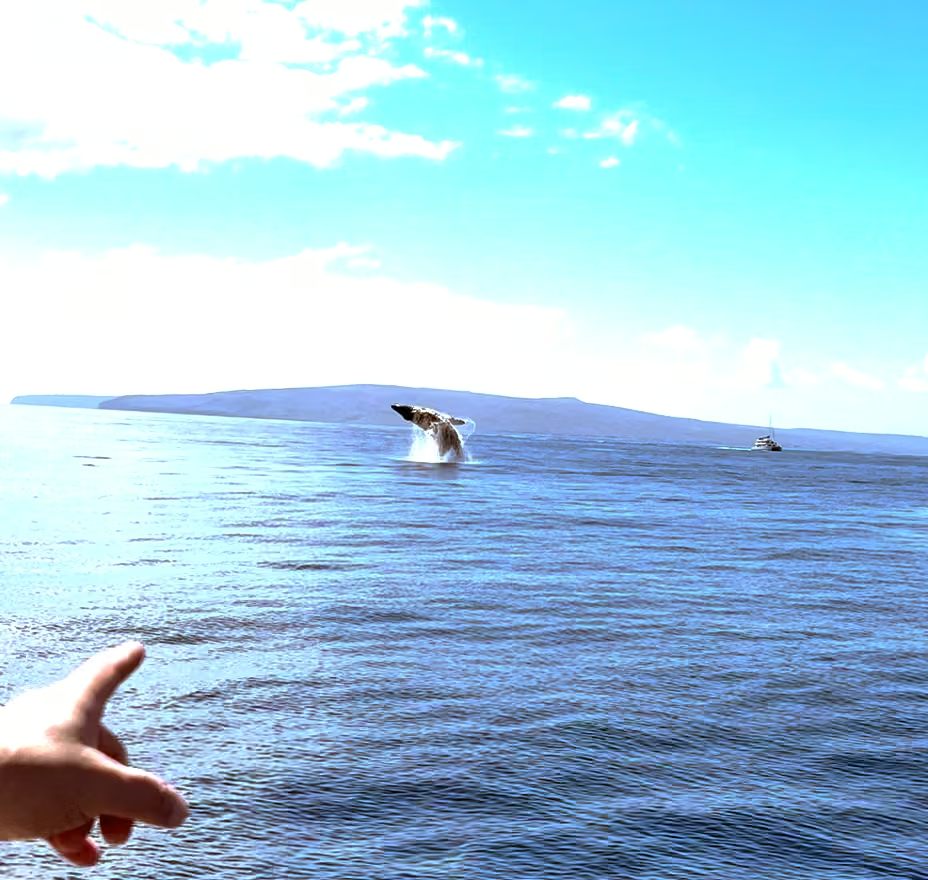
Maʻalaea is one of the best areas for whale watching in Maui, and it’s also home to Maui Snorkeling’s morning and afternoon tours. From the deck of the boat, you may spot humpbacks breaching, tail slapping, or traveling through nearby waters during peak season. Captains still follow federal wildlife-viewing rules, so they observe whales from a safe, respectful distance.
2. Kāʻanapali And West Maui
Public shoreline areas around Kāʻanapali offer views across the channel toward Lānaʻi. Look offshore for blows, backs, and surface splashes. Use designated public access, respect private property, and confirm the exact departure location if you’re booking a West Maui boat trip.
3. キヘイとワイレア
陸上で過ごしたいなら、キヘイの砂浜やワイレアの湾では、視界や海の状況が良ければ、沖合のクジラの活動を観察できます。双眼鏡やズームレンズを持参すれば、ビーチからクジラが水面から飛び上がる姿を見られるかもしれません!
4. パパワイポイント展望台
マアラエア港から北西約3マイル(約4.8キロ)のホノアピイラニ・ハイウェイ沿いにあるこの景勝地は、沖合で季節ごとに見られるクジラの活動を観察するのに最適な高台です。双眼鏡やズームレンズを持参すると、よりよく観察できます。.
5. Hawaiian Islands Humpback Whale National Marine Sanctuary Visitor Center
The sanctuary visitor center in Kīhei combines whale education with a coastal setting where seasonal sightings may be possible. It’s a useful stop for families and visitors who want to learn about the animals and look for them. Check the official visitor information before going.
クジラがマウイ島にやってくる理由
Humpback whales migrate between productive feeding grounds in the North Pacific and warmer breeding areas around Hawaiʻi. Maui Nui’s relatively shallow waters are part of an important seasonal habitat where whales mate, give birth, and nurse their young.
During the feeding season, humpbacks build fat reserves that help sustain them through migration and the winter breeding period. Their visit to Maui is part of that life cycle, not a tropical vacation.
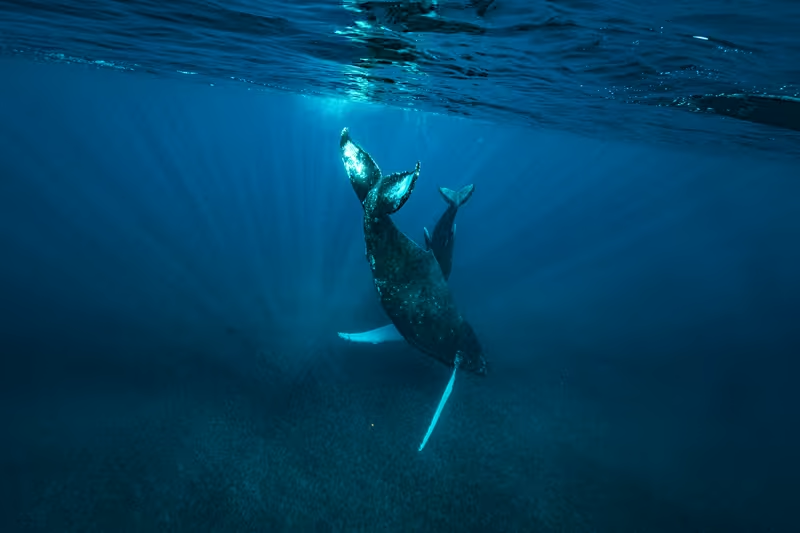
Calves stay close to their mothers as they nurse and develop. Watching that relationship from a respectful distance is one of the distinctive opportunities whale season can offer.
Whale Behaviors You May See
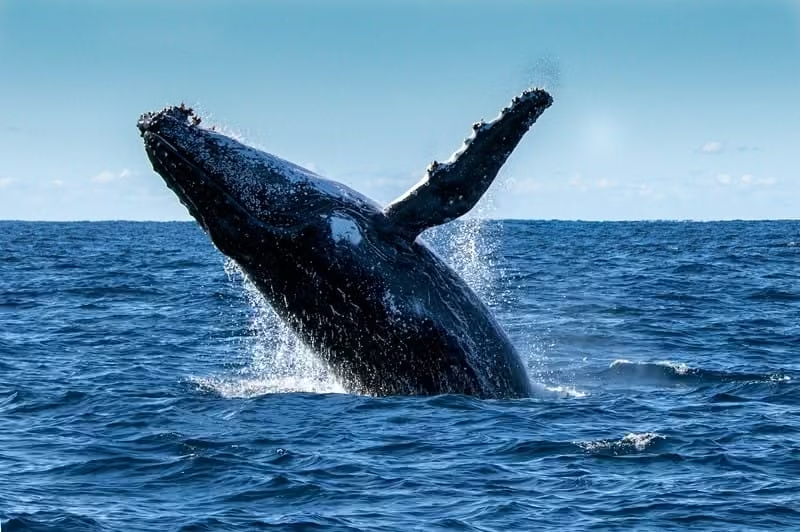
Breaching And Tail Slaps
A breach happens when a whale lifts much of its body out of the water, then lands with a splash. Tail slaps are another conspicuous surface behavior, but neither is guaranteed during a viewing session.
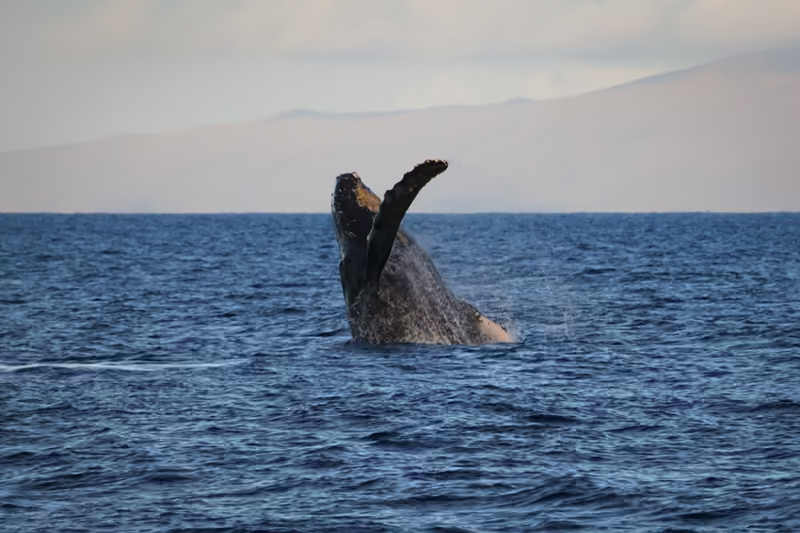
Pectoral Fin Slaps
Humpbacks may raise or slap their long pectoral fins against the water. You can describe what you observe without assuming the whale is playing or performing for people.
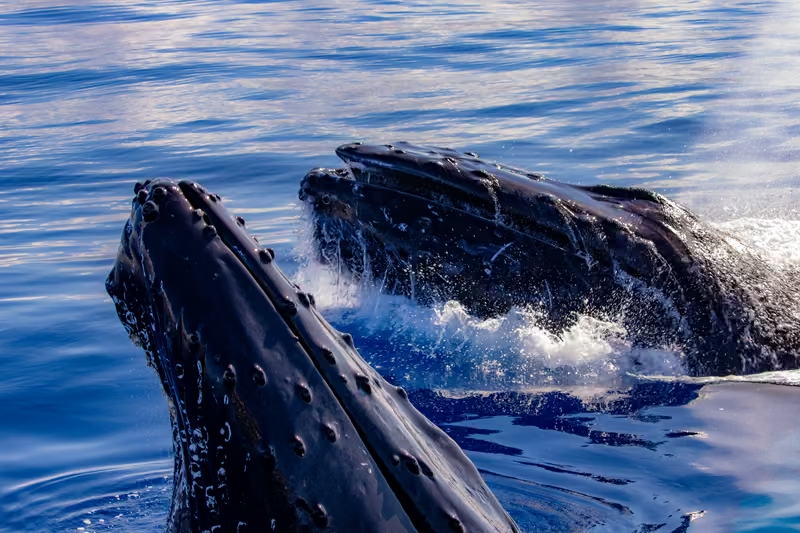
スパイホッピング
A whale may rise nearly vertically with its head above the surface. This behavior can give observers a brief view of its head before it slips beneath the water again.
Mothers And Calves
You may see a calf traveling or surfacing close to its mother. Give the pair plenty of space, and avoid interpreting every movement as a lesson or an invitation to approach.
マウイ島でのホエールウォッチングのヒント
- Bring binoculars: Distant blows and backs can be easier to recognize through magnification.
- Watch patiently: Scan the water, then pause where you notice activity. A brief glance may miss a surfacing whale.
- Choose conditions, not just a departure time: Lighter wind can make viewing more comfortable, but a morning trip doesn’t guarantee more whales.
- Use legal viewing areas: Park in designated spaces and don’t stop along unsafe highway shoulders.
- Let whales keep their distance: Federal rules prohibit approaching humpback whales within 100 yards in Hawaiʻi, including by boat, kayak, paddleboard, or while swimming.
Can You Hear Whales While Snorkeling?
You may hear humpback whale songs underwater during Maui whale season. Male humpbacks produce complex songs associated with the breeding season, and those sounds can travel for miles.
Hearing a song doesn’t mean a whale is beside you, and it isn’t a reason to swim away from the snorkeling area to investigate. Stay with your buddy and follow crew instructions. Hearing whales is a possible addition to a reef snorkel, not a guaranteed experience.
Choosing A Snorkel Trip Or A Dedicated Whale Watch
If seeing whales is your main reason for going on the water, consider a dedicated whale-watching excursion. Its purpose differs from a snorkeling trip, although wildlife sightings still can’t be guaranteed.
Choose Maui Snorkeling when your priority is reef snorkeling, with the possibility of seeing whales during boat travel. Our morning tour plans for Molokini, followed by Turtle Town or another reef. The afternoon tour typically visits Coral Gardens or another nearby reef.
Our captain manages the route according to the snorkeling itinerary, ocean conditions, safety, and wildlife-viewing rules. The boat doesn’t chase or crowd whales.
クジラと海洋環境を尊重する
Koholā have an important place in Native Hawaiian culture, history, and relationships with the ocean. NOAA’s sanctuary resources describe whales as ʻaumākua, or spiritual protectors, for specific families. Respectful viewing means recognizing that these animals are more than a vacation attraction.
ホエールウォッチングやシュノーケリングに参加する際は、以下の点にご注意ください。
- 選ぶ ミネラルサンスクリーン and follow Maui's sunscreen requirements
- 海洋生物に餌を与えたり、追いかけたりしてはいけません。.
- 責任ある野生生物保護ガイドラインを遵守するツアー会社を支援しましょう。.
By showing respect, we help ensure future generations can continue to enjoy Maui's awe-inspiring whale migration.
Make Room For Maui Whale Season
Whether you’re watching from shore, joining a dedicated whale watch, or hoping for a sighting during a snorkel trip, leave room for patience and surprise. Plan around the seasonal window, choose an experience that matches your priorities, and let the whales determine the encounter.
ソースと更新情報
Use these official resources to learn about whale season, migration,
songs, and cultural significance, and to check wildlife-viewing rules,
marine forecasts, and snorkeling safety before your trip.