Maui Tide Pools Guide: Where To Look, What You’ll See, And Safety Tips

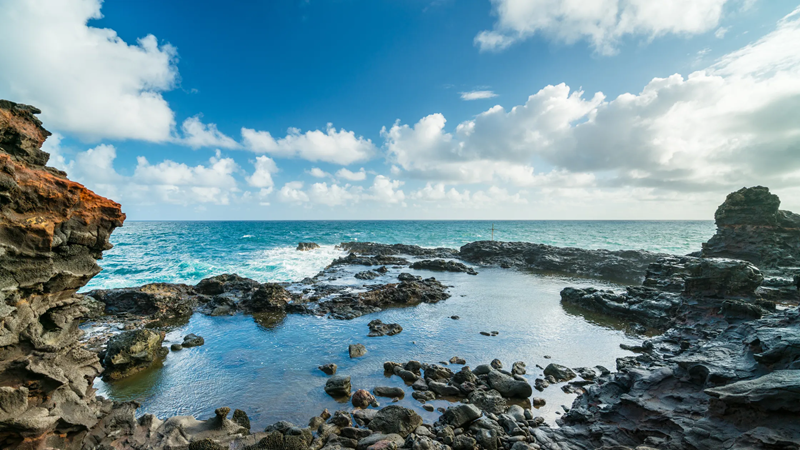
Olivine Pools in Maui with lava rock tide pools and ocean views
Written by the Maui Snorkeling team, operating Molokini Crater, Turtle Town, and Coral Gardens tours out of Maalaea (Māʻalaea) Harbor since 1985. Tours are led by USCG‑licensed captains aboard a USCG‑inspected passenger vessel. We spend more days in these waters than on land.
Last updated June 29, 2026

Quick Answer

Maui tide pools are small rocky shoreline pools that can reveal tiny fish, hermit crabs, ʻopihi, sea cucumbers, sea urchins, shrimp, algae, and other marine life at lower tides. The safest time to look is during daylight, at lower tide, when the ocean is calm and waves are not washing over rocks. If surf is up, rocks are wet, or water looks rough, skip tide pools completely.

Main takeaways:

  • Best Time To Go: Lower tide, daylight, and calm ocean conditions
  • What You Might See: Tiny fish, hermit crabs, Ê»opihi, loli, sea urchins, shrimp, and algae
  • Safety Rule: Stay off wet rocks and never turn your back on the ocean
  • Kid Tip: Look, don’t touch or take, and keep kids far from wave-washed rocks
  • Skip It If: High surf, strong wind, brown water, or waves are reaching the rocks

If you love tiny ocean creatures, weird little fish, and the kind of “wait, what is that?” discoveries that make kids and adults equally excited, Maui tide pools can be a fun land-based way to explore marine life.

But let’s be clear right away: tide pools are not natural swimming pools, and Maui’s rocky shorelines deserve serious respect. The best tide pool day is calm, dry, low-key, and safety-first.

This guide explains when to look, what you might see, how to keep kids safe, and when to skip rocky shoreline areas completely.

What Are Tide Pools?

Tide pools are small pockets of seawater left behind in rocky shoreline areas when the tide drops. They can hold tiny fish, crabs, sea cucumbers, ʻopihi, algae, snails, shrimp, and other small marine life.

They’re basically mini ocean windows, which is cool. They’re also fragile habitats, which means your job is to look, learn, and leave everything exactly where it is.

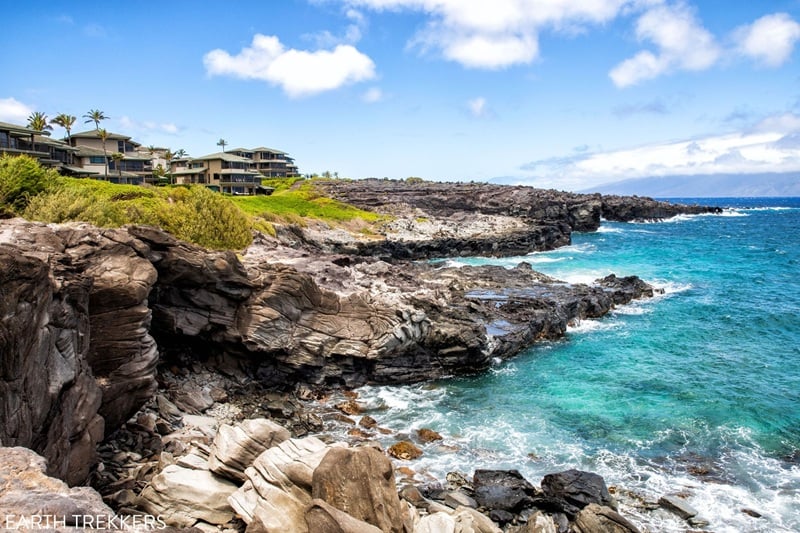
Rocky Maui coastline near tide pools with blue ocean and lava rock
Photo Courtesy of Tripbucket

Are There Tide Pools In Maui?

Yes, Maui has tide pools and shallow reef environments along its rocky coastline. The important part is choosing safe conditions and safe viewing spots.

This guide is not a “secret swimming hole” guide, and it’s definitely not a “walk onto wave-swept lava shelves” guide. Some famous rocky pool areas in Hawaiʻi can be extremely dangerous when waves are up. If waves are reaching the rocks, stay back.

Best Time To Visit Maui Tide Pools

The best tide pool conditions usually happen when all of these are true:

  • Lower tide: More pools and reef edges may be visible.
  • Calm ocean: No waves washing across the rocks.
  • Daylight: You need to see holes, sharp rock, and changing water.
  • No high surf: If surf is up, skip tide pools entirely.
  • No heavy rain runoff: Brown or murky water is a no-go.

Before you go, check tide timing and ocean conditions. If the ocean looks active, make it a beach walk day instead.

For a broader ocean planning checklist, use our Maui Snorkel Conditions Guide.

Where To Look For Tide Pools In Maui

The safest tide pool exploring is usually done from stable, dry, shore-adjacent areas when the ocean is calm. You’re looking for small pools and shallow reef pockets you can observe without climbing into wave-washed zones.

Look For Calm, Protected Rocky Edges

Rocky beach edges and shallow reef pockets may reveal tide pool life when conditions are calm. Stay on stable surfaces, watch where you step, and don’t walk on living reef or coral.

Avoid Wave-Swept Lava Shelves

If waves are washing over the rocks, don’t go there. It only takes one unexpected wave to knock someone down or sweep them into dangerous water.

Use Lifeguarded Beaches When Possible

If you’re unsure, choose a lifeguarded beach area and ask about conditions before exploring nearby shoreline features. No lifeguard means you need to be even more conservative.

What Animals Might You See In Maui Tide Pools?

Tide pool life changes by location, tide, and season, but patient visitors may spot:

  • Tiny fish: Often darting between rocks and algae.
  • Hermit crabs: Tiny shell movers with big personalities.
  • Ê»Opihi: Limpets that cling tightly to rocks.
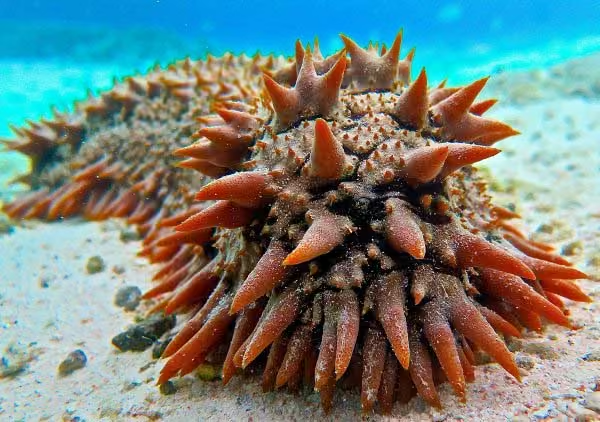
  • Sea cucumbers: Also called loli in HawaiÊ»i.
  • Sea urchins: Beautiful, spiny, and absolutely not for touching.
  • Shrimp and small crustaceans: Look closely near cracks and shaded pockets.
  • Algae and seaweed: Important food and shelter, not “slime to step on.”

Want to learn more about one of the reef cleanup crew animals? Read our Maui Sea Cucumbers Guide.

Spiny sea cucumber close up on sandy ocean floor with clear blue water in Maui
Photo Courtesy of Ocean Conservancy

Tide Pool Safety Rules That Actually Matter

Tide pools can be fun, but rocky shorelines are not casual. Use these rules every time.

Keep One Eye On The Ocean

Never turn your back on the ocean near rocks. Conditions can change quickly, and waves can reach farther than you expect.

Stay Off Wet Rocks

Wet rock is slippery rock. If the rock is wet, waves have recently reached it. That’s your clue to move back.

Wear Proper Footwear

Use shoes with grip. Flip-flops are not great for rocky shoreline exploring because they slip, fold, and generally betray you when you need them most.

Don’t Put Hands Or Feet Into Hidden Holes

If you can’t see inside a hole or under a ledge, don’t put anything in it. Tide pools have sharp rocks, sea urchins, and animals that would prefer not to meet your fingers.

Don’t Take Anything

Leave shells, animals, coral, rocks, and algae where they are. Some areas have specific protections, and the best visitor habit is simple: look, don’t collect.

Kid-Friendly Tide Pool Tips

Tide pools can be amazing for kids if adults keep the pace slow and safe.

  • Set the rule before you arrive: “We look; we don’t touch or take.”
  • Hold hands near rocks: Slips happen fast.
  • Keep shoes on: Sharp rocks and urchins are not barefoot-friendly.
  • Stay far from waves: Kids should never be near wave-washed ledges.
  • Bring a little curiosity: Ask kids to find colors, shapes, and movement instead of picking things up.

If the kids want to see more marine life without shoreline hazards, Maui Ocean Center can be a great backup activity near Maʻalaea.

What Not To Do Around Tide Pools

  • Don’t walk on coral or living reef.
  • Don’t take shells, animals, or rocks.
  • Don’t chase or poke animals.
  • Don’t climb onto wet lava rock.
  • Don’t visit rocky pools during high surf.
  • Don’t explore near blowholes or wave-swept ledges.
  • Don’t assume calm-looking pools are safe if waves are hitting nearby rocks.

Tide Pools Vs Snorkeling

Tide pools and snorkeling are both fun, but they’re different kinds of ocean experiences. Tide pools are best for slow, careful observation from shore. Snorkeling is better when you want to see active reef life underwater with more space and visibility.

Maui Tide Pools Vs Snorkeling: Which Is Better For Your Day?

Tide pools and snorkeling are both great ways to notice Maui marine life, but they work best in different conditions. Use this table to pick the safer, easier plan for your group.

Activity Best For Best Conditions Watch Outs
Tide Pools Dry Shoreline Exploring Families, curious kids, tiny marine life, and slow observation Lower tide, calm ocean, daylight, dry rocks, no wave wash Wet rocks, high surf, sharp lava, sea urchins, and waves reaching farther than expected
Snorkeling Underwater Reef Viewing Seeing reef fish, turtles, coral structure, and bigger underwater scenery Calm morning water, good visibility, low wind, easy entry and exit Currents, shorebreak, murky water, fatigue, and poor gear fit
Guided Tour No-Guesswork Snorkeling Beginners, families, nervous swimmers, and visitors who want crew support Captain chooses the best available site for the day You still need to listen to the crew, use flotation if needed, and stay within your comfort zone

Note: Tide pools are for careful looking, not collecting, jumping, or swimming in wave-exposed rocky areas. If conditions are rough, skip them.

Check Maui Snorkel Conditions Before Your Ocean Day

How To Pair Tide Pools With A Snorkel Day

The easiest plan is to separate them:

  • Tide pools: Calm, low-tide land adventure day.
  • Snorkeling: Calm morning ocean day.

If you’re doing both on the same trip, think of tide pools as your dry-land marine life activity and snorkeling as your guided reef experience.

If you want a crew-supported snorkel day, start with our Molokini Crater Snorkeling Tour or our Maui Afternoon Snorkeling Tour.

When To Skip Tide Pools Completely

Skip tide pools if you see any of these:

  • High surf advisories or warnings
  • Waves washing across rocks
  • Wet ledges where you’d need to stand
  • Brown or murky runoff water
  • Strong wind and rough shoreline conditions
  • Kids who are too excited to stay back from the water
  • Any feeling of “this might be sketchy”

Maui will always have another beautiful activity. You don’t need to force a rocky shoreline day.

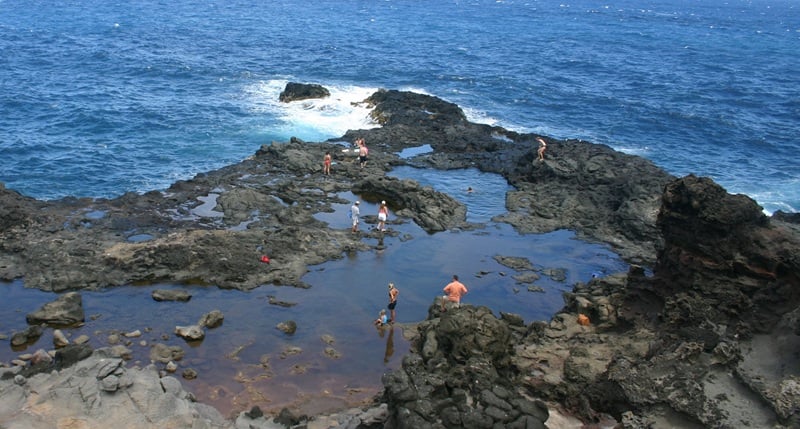
Olivine Pools in Maui with lava rock tide pools and blue ocean
Photo Courtesy of Maui Guidebook

Tide Pools You’ll Hear About On Maui

Visitors often hear about Maui tide pool areas like Kapalua Tidepools and Olivine Pools. These names come up often online, but they differ significantly from a safety standpoint. Treat tide pools as places to observe carefully, not as guaranteed swimming spots.

Kapalua Tidepools

The Kapalua area has rocky shoreline pockets where visitors may notice small tide pools during calm, lower-tide conditions. This is best treated as a careful shoreline observation stop, not a “jump in and swim” plan.

  • Best Use: Slow looking, photos, and small marine life observation when the ocean is calm
  • Go Only If: Rocks are dry, waves are not reaching the area, and you can stay safely back from the edge
  • Skip If: Surf is up, rocks are wet, waves are washing across ledges, or conditions feel questionable

If you are already planning West Maui beach time, pair this with our Kapalua Bay Guide and remember that tide pooling and snorkeling are different activities with different risks.

Olivine Pools

Olivine Pools are famous, beautiful, and risky. They sit on an exposed West Maui lava shelf where waves can sweep across the rocks and into the pools. This is not a place we recommend for casual swimming.

  • Best Use: Scenic viewing only from a safe, dry distance if conditions are calm
  • Big Risk: Rogue waves and wave-washed lava shelves
  • Skip If: Any waves are reaching the rocks, surf is up, rocks are wet, or you are unsure

Our take: if Olivine Pools are on your list, treat them as a look-from-a-safe-distance stop, not a swim stop. If the rocks are wet, waves have already been there. Move back.

FAQs

Yes. Maui has tide pool and shallow reef environments along some rocky shoreline areas. The safest tide pool exploring happens during daylight, at lower tide, when the ocean is calm and waves are not washing over rocks.

They can be kid-friendly only in calm, dry, low-risk shoreline areas with close adult supervision. Keep kids away from wet rocks, wave-washed ledges, and any place where waves are reaching the shoreline.

You might see tiny fish, hermit crabs, ʻopihi, sea cucumbers, sea urchins, shrimp, snails, algae, and other small marine life. Look closely, but don’t touch or take anything.

Lower tide is usually best because more pools and shallow reef pockets may be visible. Always pair tide timing with surf and weather. Low tide is not safe if waves are washing over rocks.

This guide is for careful tide pool observing, not swimming in rocky pools. Avoid swimming in wave-exposed pools, rocky shelves, blowhole areas, or anywhere conditions look rough.

No. Leave everything where it is. Some areas have special protections, and the best visitor rule is simple: look, don’t collect.

Wear shoes with good grip, sun protection, and clothes that can handle a little splash or mud. Avoid flip flops on rocky shoreline areas.

Skip tide pools during high surf, strong wind, brown water, heavy rain runoff, or any time waves are reaching the rocks. Also skip if you can’t explore from a safe, stable, dry area.

We don’t recommend treating Olivine Pools as a casual swimming stop. The area is exposed to the open ocean, and waves can sweep across the lava shelf. If you visit, view from a safe, dry distance, never turn your back on the ocean, and skip the area completely when surf is up or rocks are wet.

Final Thoughts

Maui tide pools can be a wonderful way to notice the tiny, fascinating parts of the island’s marine world. Go at a lower tide, only when the ocean is calm, wear shoes with grip, keep kids close, and don’t take or touch marine life.

And remember: the best ocean day is the one that ends with everyone safe, smiling, and still excited for the next adventure.

Sources & Updates

Use these trusted resources to check tide timing, shoreline safety, tide pool identification, snorkeling safety guidance, water quality advisories, marine weather, and cover photo credit before your Maui tide pool or ocean day.

© 2026 Maui Snorkeling | Sitemap | Disclaimer | Privacy Statement | Cookie Policy