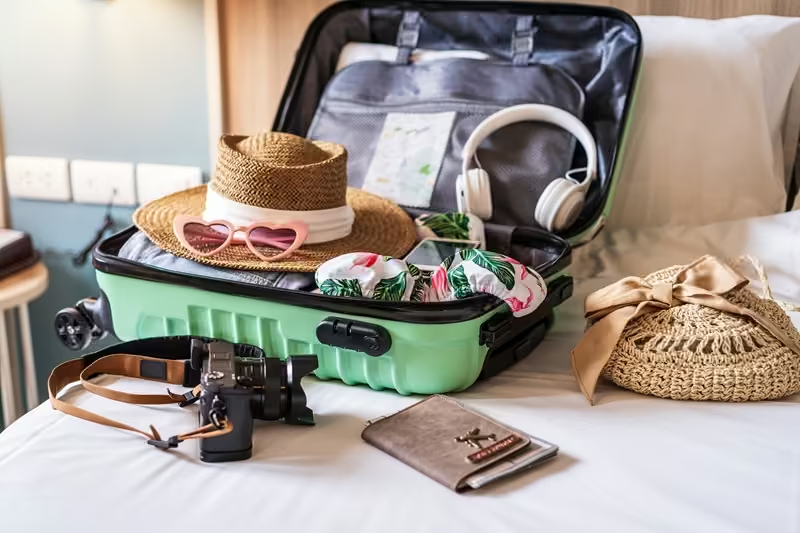
A practical Maui packing list should include lightweight clothing, two or three swimsuits, sandals, walking shoes, a rash guard, mineral sunscreen, a hat, sunglasses, a reusable water bottle, a light rain jacket, and one warm outfit for Haleakalā. Add a dry bag, motion-sickness remedy, insect repellent, and activity-specific footwear based on your plans.
主な要点:
Everyday Clothing: Pack lightweight, breathable pieces that can be reworn and layered
Ocean Essentials: Bring swimsuits, a rash guard, mineral sunscreen, a hat, sunglasses, and a towel
ハレアカラ: Pack long pants, closed shoes, a warm jacket, a beanie, and light gloves
ハナへの道: Bring a rain jacket, secure shoes, water, snacks, motion-sickness supplies, and offline directions
Snorkel Tour: Bring a towel, swimsuit, dry clothes, sun protection, waterproof phone protection, and a parking payment method
Buy After Landing: Consider buying groceries, large sunscreen bottles, snacks, diapers, and bulky beach supplies on Maui
Skip: Don’t pack non-mineral sunscreen, excessive formalwear, expensive jewelry, or bulky gear your hotel or tour already provides
Planning what to pack for Maui can feel confusing because the same vacation may include a hot beach, a breezy boat ride, a muddy rainforest trail, a cool Upcountry farm, and a Haleakalā morning cold enough to make your swimsuit seem like a very poor life choice.
最高の Maui packing list isn’t the biggest one. It’s a collection of lightweight, reusable items that work across several different activities.
This guide focuses on Maui-specific essentials beyond your normal toiletries. It covers clothing, beach days, snorkeling, Haleakalā, the Road to Hāna, hiking, farm tours, rainy weather, families, electronics, and what you’re better off buying after landing.
For a checklist focused specifically on boat tours and shore snorkeling, use our マウイシュノーケリングパッキングリスト.
Maui Packing List At A Glance
Use this quick comparison to match your packing list with the activities and conditions included in your Maui itinerary.
Trip Category
What To Pack
Why You Need It
Everyday Maui
Light shirts, shorts, sandals, walking shoes, swimsuit, cover-up, and one casual evening outfit
Coastal Maui is warm and casual, so breathable pieces that can be reworn work best
Beach And Pool
Swimsuit, rash guard, mineral sunscreen, hat, sunglasses, towel, water, and beach bag
Sun protection and hydration matter more than bringing several different beach outfits
Snorkeling Tour
Towel, swimsuit, dry clothes, hat, sunglasses, waterproof phone protection, and parking payment method
Maui Snorkeling provides gear, flotation, food, drinks, crew support, and mineral sunscreen
ハナへの道
Rain jacket, secure shoes, water, snacks, motion-sickness remedy, power bank, and offline directions
The drive is long, winding, wet in places, and has stretches with limited service
ハレアカラ
Long pants, closed shoes, warm jacket, beanie, gloves, water, identification, and reservation confirmation
Summit weather can be windy and near or below freezing even when the coast is warm
Hiking And Waterfalls
Trail shoes, water, rain layer, sun protection, insect repellent, snacks, and first-aid supplies
Trails may be muddy, rocky, hot, wet, steep, or covered with slippery roots
Upcountry And Farms
Closed-toe shoes, light layers, rain jacket, water bottle, and clothes that can handle dirt
Higher elevations are cooler, and working farms may have uneven or muddy paths
Localized showers and larger weather systems can change outdoor plans quickly
家族
Extra clothes, swim diapers, snacks, sun shirts, comfort items, child medications, and entertainment
A few familiar supplies make drives, boats, restaurants, and weather changes easier
Airport And Travel
Medication, identification, reservations, charging cables, power bank, cards, cash, and wet-clothes bag
Keep critical items accessible and remember that power banks belong in carry-on luggage
注意 Your final packing list should reflect your lodging, airline baggage rules, planned activities, medical needs, and current Maui weather. Check what your hotel, rental, and tour providers already supply before packing bulky gear.
Most Maui visitors don’t need a different outfit for every day. Lightweight shirts, shorts, swimsuits, and casual evening clothes can usually be worn again, especially if your condo or resort has laundry facilities.
A useful goal is to pack enough clothing for about half to two-thirds of your trip, then wash as needed. This leaves more suitcase space for coffee, chocolate, local gifts, and the shirt you’ll buy after saying you absolutely weren’t going to buy another vacation shirt.
Before packing, review your actual itinerary. Someone planning beaches and resort dinners needs different gear from someone hiking the Pīpīwai Trail, visiting farms, and watching sunrise at Haleakalā.
35 Maui Packing List Essentials
Everyday Maui Clothing
Two Or Three Swimsuits: Bring more than one so you don’t have to put on yesterday’s still-damp swimsuit. Three can be useful for a longer trip with frequent beach and pool days.
Lightweight Shirts And Tank Tops: Choose breathable pieces that dry quickly and can work for sightseeing, casual meals, and travel days.
Shorts Or Breathable Bottoms: Pack comfortable shorts, skirts, or lightweight pants for warm coastal weather.
One Casual Evening Outfit: Maui restaurants are generally relaxed, but one nicer outfit is useful for a resort dinner, luau, anniversary meal, or special evening.
Beach Cover-Up: A loose shirt, dress, sarong, or cover-up makes it easier to move between the beach, pool, hotel, and casual food stops.
Sleepwear And Basic Undergarments: Pack your normal basics, but don’t forget a few pairs of socks for walking shoes, hikes, farms, and Haleakalā.
Light Sweater Or Windbreaker: Boat rides, air-conditioned restaurants, rainy evenings, and Upcountry stops can feel cooler than the beach.
Long Pants Or Leggings: These are helpful for Haleakalā, cool mornings, horseback rides, farm visits, and casual evenings.
Sandals Or Flip-Flops: Use these for the resort, pool, beach, and short casual stops.
Comfortable Walking Shoes: Bring supportive shoes for towns, shopping areas, botanical gardens, airports, museums, and longer sightseeing days.
Beach And Sun Essentials
ウォーターシューズ: Water shoes can help at rocky entries, tide pools, rough shoreline paths, and beaches with hot or uneven surfaces. They aren’t necessary for every sandy beach.
Sun Hat: A wide-brimmed hat or secure cap adds protection during beach days, outdoor meals, farm tours, and long scenic stops.
Polarized Sunglasses: Polarized lenses reduce glare from the ocean and can make it easier to see reef structure, wildlife, and changes in the water.
Mineral Sunscreen: Maui County allows mineral sunscreen with active ingredients such as zinc oxide or titanium dioxide. Check the active-ingredient panel instead of relying only on a “reef-friendly” label.
Rash Guard Or UPF Sun Shirt: A rash guard reduces sun exposure and can help you feel warmer during a long ocean session.
Quick-Dry Towel: Confirm what your lodging provides and whether hotel towels can leave the property. Maui Snorkeling doesn’t provide towels on its tours, so bring one on tour day.
再利用可能なウォーターボトル: Maui’s sun, humidity, hiking, and outdoor activities make hydration important. Refill rather than buying a new bottle at every stop.
Small Beach Bag Or Daypack: Choose a lightweight bag that can hold water, sunscreen, a towel, dry clothes, and a small first-aid kit without becoming impossible to carry.
Dry Bag Or Waterproof Pouch: Use it for keys, a phone, wallet, medications, and other items that shouldn’t get wet on a boat, kayak, beach, or rainy drive.
軽量レインジャケット: Passing showers are common in East Maui and Upcountry. A packable jacket is usually easier to manage than an umbrella in windy conditions.
Warm Haleakalā Jacket Or Fleece: The Haleakalā summit can be dramatically colder than the coast, especially before sunrise and after sunset. Bring a truly warm layer, not just a thin beach cover-up.
Beanie And Light Gloves: These small items take little suitcase space and can make a windy Haleakalā visit much more comfortable.
Trail Shoes Or Hiking Shoes: Choose shoes with useful tread for muddy paths, wet roots, gravel, rocks, and uneven trails. Flip-flops aren’t a good substitute on serious hikes.
虫除け Pack repellent for wet, shaded, and tropical areas where mosquitoes may be present. Carry-on containers must meet current TSA liquid limits.
Soft Cooler Or Insulated Bag: A foldable cooler is useful for condo groceries, farm products, farmers market purchases, picnic food, and cold drinks.
Reusable Shopping Bag: Keep one in the rental car for groceries, farmers' markets, local shops, food stops, and carrying dry clothes after an activity.
Health, Technology, And Travel Essentials
Personal Medications: Keep essential medication in your carry-on rather than putting everything in a checked suitcase. Bring enough for the trip plus a reasonable buffer.
Motion-Sickness Remedy: Bring your preferred option for boat tours, the winding Road to Hāna, and other curvy island drives. Use it according to its directions.
Mini First-Aid Kit: Include adhesive bandages, blister care, antiseptic wipes, pain relief, and any personal items your group commonly needs.
Phone And Charging Cable: Your phone may hold directions, reservations, tickets, weather alerts, parking apps, tour messages, and vacation photos.
Portable Power Bank: Scenic drives, maps, cameras, and reservation apps can drain a battery quickly. Keep power banks in your carry-on luggage rather than checked baggage.
Waterproof Phone Case Or Action Camera: Protect your phone from spray, rain, wet towels, and sand. Use a secure wrist strap rather than assuming the ocean will return a dropped phone.
Travel Documents And Reservation Confirmations: Keep your identification, rental information, lodging details, tour confirmations, Haleakalā sunrise reservation, and emergency contacts accessible.
Credit Or Debit Card And Some Cash: Cards and phone payments are widely accepted, but cash helps at small markets, roadside food stands, tips, and places with unreliable service.
Wet-Clothes Bag: Bring a reusable waterproof or water-resistant bag for damp swimsuits, muddy socks, wet towels, and clothes that shouldn’t touch everything else in your suitcase.
You don’t need to fly to Maui with an entire dive shop when you’re joining a guided Maui Snorkeling boat tour.
Bring On Tour Day
Swimsuit, preferably worn under your clothes
Towel because towels aren’t provided
Dry clothes for the return trip
帽子とサングラス
Waterproof phone case or camera protection
Credit card or phone for harbor parking
Your preferred seasickness remedy if needed
Any personal medication you may need
What Maui Snorkeling Provides
Standard snorkel mask, snorkel, and fins
浮遊オプション
Gear fitting and beginner support
Mineral sunscreen for guest use
Food and drinks based on the selected tour
Shade, seating, and onboard restrooms
Optional wetsuit rentals
Full-face snorkel masks aren’t allowed on the Lani Kai II. Review our マウイ島シュノーケリングツアーに関するよくある質問 for current check-in, parking, swimming, equipment, and meal information.
What To Pack For The Road To Hāna
The Road to Hāna is a long scenic drive, not a quick trip to one viewpoint. Keep a smaller day bag in the vehicle with:
Light rain jacket
Walking or trail shoes
水と軽食
Motion-sickness supplies
Phone charger and power bank
Offline directions
乾いた服
Small first-aid kit
Reservation confirmations
Don’t leave bags, cameras, wallets, or electronics visible in a parked vehicle. Plan your stops with our ハナへの道ガイド.
What To Wear At Haleakalā
Haleakalā is the biggest packing surprise for many first-time visitors. The summit is more than 10,000 feet above sea level and can be windy, damp, and near or below freezing around sunrise.
Pack or wear:
Long pants
Closed shoes and socks
Warm sweater or fleece
Wind-resistant outer jacket
Beanie
Light gloves
水
Identification and reservation confirmation for sunrise
Don’t judge summit clothing by the temperature at your resort. Check current park weather and conditions before driving.
What To Pack For Maui Hiking And Waterfalls
Maui hikes range from hot, exposed lava trails to wet rainforest paths. Adjust your gear to the trail, not to every walk like a flip-flop-friendly beach path.
Useful hiking items include:
Trail shoes with useful grip
Light rain jacket
水
日焼け止め
Insect repellent
おやつ
Small first-aid kit
Offline map or downloaded directions
Never enter streams or waterfall pools during heavy rain or flash-flood conditions. Use our マウイ島のハイキングコースガイド to compare routes and planning requirements.
What To Wear On Maui Farm Tours
Farm paths may be grassy, dusty, muddy, steep, rocky, or uneven. Closed-toe shoes are usually more practical than delicate sandals.
For Upcountry farms, bring:
Closed-toe shoes
Light layers
Rain jacket
日焼け止め
マイボトル
Clothing that can handle dirt or animal hair
Compare coffee, pineapple, cacao, goat, bee, and tropical fruit experiences in our Maui Farm Tours Guide.
Rain can be localized and brief, or part of a larger weather system. Keep these items easy to reach:
Light rain jacket
Secure walking shoes
Dry pouch for electronics
Extra dry shirt
Phone charger
Offline directions
Don’t enter brown or murky ocean water after heavy rain. Use our マウイ島の雨の日アクティビティガイド when outdoor conditions require a different plan.
Maui Packing List For Families
Families should add items based on each child’s age, routines, and comfort needs.
Swim diapers when needed
Extra change of clothes in the day bag
Familiar snacks
Child medications
Sun hat and rash guard
Small comfort item for drives or flights
Tablet, headphones, books, or travel games
Reusable wet-clothes bag
Light hoodie for boat rides and cool evenings
Don’t plan to buy every child-specific item after arriving. Bring critical medications, comfort items, specialty food, and anything that may be difficult to replace.
Condo Vs Resort Packing
For A Condo Stay
A condo may make it useful to bring or buy laundry supplies, reusable grocery bags, food-storage containers, a cooler bag, and basic groceries. Confirm what the unit already includes before packing kitchen items.
For A Resort Stay
A resort may provide pool towels, toiletries, hair dryers, robes, and beach equipment, but policies vary. Confirm whether you can take towels and chairs off the property.
Don’t pack bulky items based on an assumption. One quick check with your lodging can save significant suitcase space.
What To Buy After Landing In Maui
Some items are easier to buy, rent, or borrow after arrival:
Large bottles of mineral sunscreen when traveling carry-on only
Groceries and bottled beverages
Fresh fruit and snacks
Diapers and wipes for longer stays
Inexpensive beach chairs or umbrellas when lodging doesn’t provide them
Cooler supplies and ice
Locally grown coffee, honey, fruit, and prepared food
当サイトをご覧ください マウイ島のファーマーズマーケットガイド for locally grown produce and island-made products.
What Not To Bring To Maui
Non-Mineral Sunscreen
Maui County allows mineral sunscreen unless a non-mineral product is prescribed by a licensed healthcare provider. Choose zinc oxide or titanium dioxide as the active ingredient.
Too Much Formal Clothing
Maui is generally casual. One nicer outfit is usually enough unless your trip includes several formal events.
Several Pairs Of Heavy Shoes
Most visitors can manage with sandals, comfortable walking shoes, and trail or water shoes when their itinerary requires them.
Bulky Beach Equipment
Check whether your resort, condo, rental company, or activity provider supplies beach chairs, coolers, umbrellas, towels, or snorkeling equipment.
A Full Set Of Snorkeling Gear For A Guided Tour
Maui Snorkeling provides standard gear and flotation. Bring your own equipment only when you strongly prefer it, and the operator allows it.
A Full-Face Snorkel Mask For The Lani Kai II
Full-face snorkel masks aren’t allowed on Maui Snorkeling tours. Standard masks and snorkels are provided.
Irreplaceable Jewelry And Valuables
Saltwater, sand, changing rooms, parked cars, and outdoor activities aren’t ideal places for sentimental or expensive items.
Food Or Plants You Assume Can Fly Home
Agricultural rules apply when leaving Hawaiʻi. Present food, plants, flowers, seeds, and other agricultural items for USDA inspection and check the current rules before purchasing them as gifts.
Coral, Sand, Rocks, Shells, Or Marine Life
Leave natural and cultural items where you found them. Take photographs and buy legal locally made souvenirs instead.
Maui Airport Packing Tips
日焼け止め: Carry-on sunscreen containers must be 3.4 ounces or smaller unless a separate exception applies. Pack larger bottles in checked luggage or buy them after landing.
Power Banks: Portable chargers and spare lithium batteries belong in carry-on luggage, not checked bags.
Medication: Keep essential medication accessible in your carry-on. TSA permits medically necessary liquids in reasonable quantities when properly declared.
Agricultural Products: Present food, plants, and other agricultural items for USDA inspection before leaving Hawaiʻi.
Wet Items: Dry swimsuits and towels before packing whenever possible to prevent odor and excess moisture.
よくある質問
Pack lightweight shirts, shorts, swimsuits, a beach cover-up, sandals, comfortable walking shoes, and one casual evening outfit. Add long pants, a sweater, and a warm jacket when Haleakalā or cooler Upcountry activities are planned.
Two or three swimsuits work well for most trips. Having more than one gives each suit time to dry between beach, pool, snorkeling, and boat days.
Yes. A light sweater or windbreaker is useful for boats, evenings, restaurants, and Upcountry. Bring a much warmer jacket, long pants, closed shoes, a beanie, and gloves for Haleakalā sunrise or sunset.
No. Maui County allows mineral sunscreen unless a non-mineral product is prescribed. Choose a sunscreen with zinc oxide or titanium dioxide listed as the active ingredient.
Bring your own gear for independent shore snorkeling if you prefer a personal fit. Maui Snorkeling boat tours provide standard masks, snorkels, fins, flotation, beginner support, and mineral sunscreen.
Yes, but normal TSA liquid limits apply. Carry-on sunscreen containers must generally be 3.4 ounces or smaller. Pack larger containers in checked luggage or buy mineral sunscreen after landing.
Water shoes are useful for rocky entries, hot surfaces, tide pools, and rough shoreline paths, but they aren’t necessary for every sandy beach or guided boat tour.
Pack long pants, closed shoes, warm socks, a fleece or sweater, a wind-resistant jacket, a beanie, light gloves, water, identification, and your sunrise reservation confirmation when applicable.
Some agricultural products may be allowed after inspection, while others are restricted. Present all food, plants, flowers, seeds, and agricultural items to USDA inspectors before leaving Hawaiʻi and check the current rules for the exact product.
Final Thoughts On What To Pack For Maui
A good Maui packing list prepares you for several climates without making you drag an oversized suitcase through the airport.
Pack lightweight clothing, useful layers, two or three swimsuits, sun protection, comfortable shoes, a rain jacket, and one genuinely warm Haleakalā outfit. Add only the activity-specific gear that matches your plans.
Check what your lodging and tours provide before packing towels, beach equipment, snorkeling gear, and other bulky items.
The goal is to arrive prepared, not to relocate your entire closet to the middle of the Pacific. Leave a little extra space. Maui tends to send visitors home with more coffee, chocolate, shirts, and farmers market purchases than they planned.
ソースと更新情報
Use these official and current resources to confirm Maui sunscreen rules, Haleakalā weather, sunrise requirements, airline packing restrictions, agricultural inspections, and Maui Snorkeling tour inclusions before your trip.