Packliste für Maui: 35 unverzichtbare Dinge und was Sie nicht mitbringen sollten
18. August 2026
| Reiseplanung & Logistik
Verfasst von Schnorcheln auf Maui, Seit 1985 bietet das Unternehmen Touren zum Molokini-Krater, nach Turtle Town und zu den Korallengärten ab dem Hafen von Māʻalaea an. Die Touren werden von Kapitänen mit USCG-Lizenz an Bord eines Schiffes geleitet. von der US-Küstenwache inspiziertes Passagierschiff.
Letzte Aktualisierung: 26. August 2026
Kurzantwort
Ein praktischer Packliste für Maui Packen Sie leichte Kleidung, zwei bis drei Badeanzüge/Badehosen, Sandalen, Wanderschuhe, ein UV-Schutzshirt, mineralische Sonnencreme, einen Hut, eine Sonnenbrille, eine wiederverwendbare Wasserflasche, eine leichte Regenjacke und ein warmes Outfit für den Haleakalā ein. Ergänzen Sie Ihr Gepäck außerdem mit einem wasserdichten Beutel, einem Mittel gegen Reiseübelkeit, Insektenschutzmittel und je nach Ihren Plänen geeignetem Schuhwerk.
Wichtigste Erkenntnisse:
Alltagskleidung: Packen Sie leichte, atmungsaktive Kleidungsstücke ein, die wiederverwendet und übereinander getragen werden können.
Ocean Essentials: Bringen Sie Badekleidung, ein UV-Schutzshirt, mineralische Sonnencreme, einen Hut, eine Sonnenbrille und ein Handtuch mit.
Haleakalā: Packen Sie lange Hosen, geschlossene Schuhe, eine warme Jacke, eine Mütze und leichte Handschuhe ein.
Der Weg nach Hāna: Bringen Sie eine Regenjacke, festes Schuhwerk, Wasser, Snacks, Mittel gegen Reiseübelkeit und eine Wegbeschreibung mit, die Sie offline finden.
Schnorcheltour: Bringen Sie Handtuch, Badekleidung, trockene Kleidung, Sonnenschutz, eine wasserdichte Handyhülle und ein Zahlungsmittel für die Parkgebühren mit.
Kaufen Sie nach der Landung: Erwägen Sie, Lebensmittel, große Flaschen Sonnencreme, Snacks, Windeln und sperrige Strandutensilien auf Maui zu kaufen.
Überspringen: Packen Sie keine nicht-mineralische Sonnencreme, übermäßig formelle Kleidung, teuren Schmuck oder sperrige Ausrüstung ein, die Ihr Hotel oder Reiseveranstalter bereits bereitstellt.
Die Planung der Packliste für Maui kann verwirrend sein, denn ein und derselbe Urlaub kann einen heißen Strand, eine luftige Bootsfahrt, einen matschigen Regenwaldpfad, einen kühlen Bauernhof im Hinterland und einen Morgen am Haleakalā beinhalten, der so kalt ist, dass einem der Badeanzug wie eine sehr schlechte Lebensentscheidung vorkommt.
Der beste Packliste für Maui Es ist nicht das größte. Es ist eine Sammlung von leichten, wiederverwendbaren Gegenständen, die für verschiedene Aktivitäten geeignet sind.
Dieser Reiseführer konzentriert sich auf Maui-spezifische Dinge, die über die üblichen Toilettenartikel hinausgehen. Er behandelt Kleidung, Strandtage, Schnorcheln, Haleakalā, die Road to Hāna, Wandern, Farmbesichtigungen, Regenwetter, Familien, Elektronik und was man am besten erst nach der Landung kauft.
👉 Hier klicken, um unsere Druckvorlage herunterzuladen Packliste für Maui.
Nutzen Sie diesen Schnellvergleich, um Ihre Packliste mit den Aktivitäten und Bedingungen Ihres Maui-Reiseplans abzugleichen.
Reisekategorie
Was Sie einpacken sollten
Warum Sie es brauchen
Maui im Alltag
Leichte Hemden, Shorts, Sandalen, Wanderschuhe, Badeanzug, Strandkleid und ein legeres Abendoutfit
Die Küste von Maui ist warm und leger, daher eignen sich atmungsaktive Kleidungsstücke, die man mehrmals tragen kann, am besten.
Strand und Pool
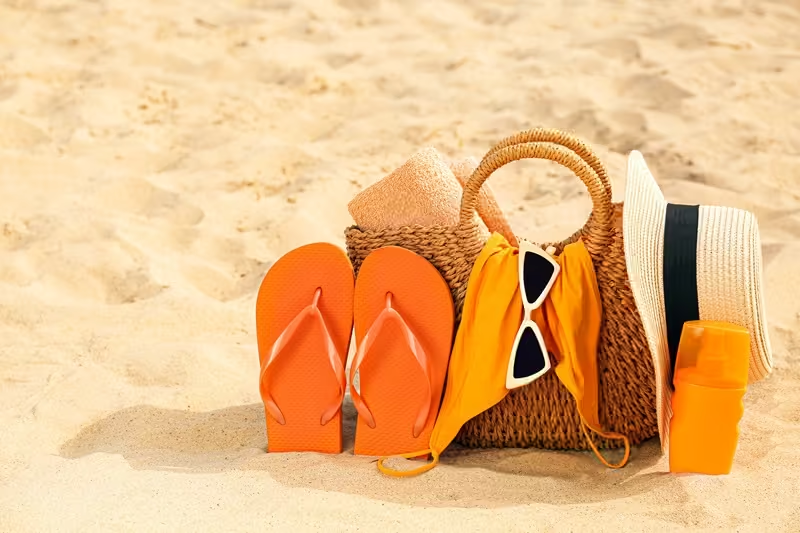
Badeanzug, UV-Schutzshirt, mineralische Sonnencreme, Hut, Sonnenbrille, Handtuch, Wasser und Strandtasche
Sonnenschutz und ausreichende Flüssigkeitszufuhr sind wichtiger als mehrere verschiedene Strandoutfits mitzubringen.
Schnorcheltour
Handtuch, Badeanzug/Badehose, trockene Kleidung, Hut, Sonnenbrille, wasserdichte Handyhülle und Parkgeldkarte
Maui Snorkeling stellt Ausrüstung, Schwimmwesten, Essen, Getränke, Crew-Betreuung und mineralischen Sonnenschutz zur Verfügung.
Straße nach Hāna
Regenjacke, festes Schuhwerk, Wasser, Snacks, Mittel gegen Reiseübelkeit, Powerbank und Offline-Wegbeschreibung
Die Strecke ist lang, kurvenreich, stellenweise nass und weist Abschnitte mit eingeschränktem Service auf.
Haleakalā
Lange Hose, geschlossene Schuhe, warme Jacke, Mütze, Handschuhe, Wasser, Ausweis und Reservierungsbestätigung
Das Wetter auf dem Gipfel kann windig sein und die Temperaturen können sich um den Gefrierpunkt oder darunter bewegen, selbst wenn es an der Küste warm ist.
Wandern und Wasserfälle
Wanderschuhe, Wasser, Regenschutz, Sonnenschutz, Insektenschutzmittel, Snacks und Erste-Hilfe-Ausrüstung
Die Wege können schlammig, steinig, heiß, nass, steil oder mit rutschigen Wurzeln bedeckt sein.
Hinterland und Bauernhöfe
Geschlossene Schuhe, leichte Kleidung im Zwiebellook, Regenjacke, Wasserflasche und Kleidung, die Schmutz verträgt
Höhere Lagen sind kühler, und bewirtschaftete Bauernhöfe können unebene oder schlammige Wege aufweisen.
Örtliche Schauer und größere Wettersysteme können Outdoor-Pläne schnell verändern.
Familien
Wechselkleidung, Schwimmwindeln, Snacks, Sonnenschutzshirts, Kuscheltiere, Kindermedikamente und Unterhaltung
Ein paar vertraute Dinge erleichtern Autofahrten, Bootsfahrten, Restaurantbesuche und Wetterumschwünge.
Flughafen und Reisen
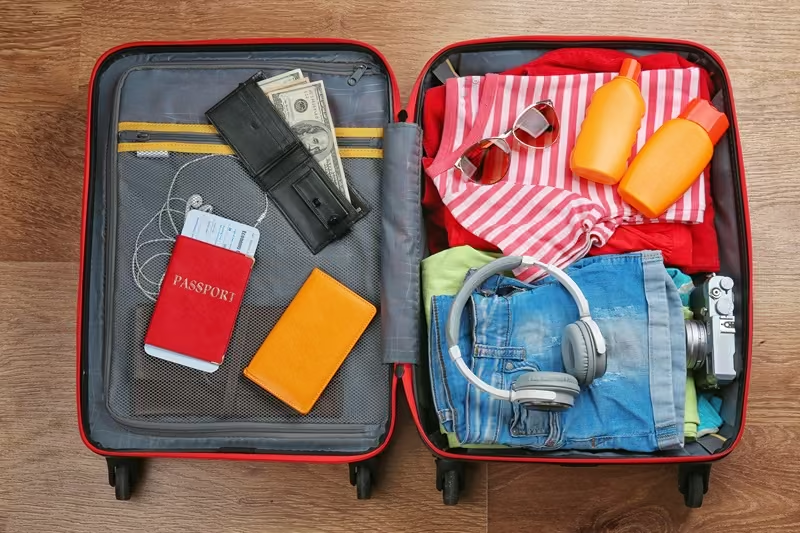
Medikamente, Ausweis, Reservierungen, Ladekabel, Powerbank, Karten, Bargeld und Beutel für nasse Kleidung
Halten Sie wichtige Gegenstände griffbereit und denken Sie daran, dass Powerbanks ins Handgepäck gehören.
Hinweis: Ihre endgültige Packliste sollte Ihre Unterkunft, die Gepäckbestimmungen der Fluggesellschaft, geplante Aktivitäten, medizinische Bedürfnisse und das aktuelle Wetter auf Maui berücksichtigen. Prüfen Sie, was Ihr Hotel, Ihre Ferienwohnung und Ihre Reiseveranstalter bereits bereitstellen, bevor Sie sperrige Ausrüstung einpacken.
Wie viel Gepäck sollte man für Maui einpacken?
Die meisten Maui-Besucher benötigen nicht jeden Tag ein anderes Outfit. Leichte Hemden, Shorts, Badebekleidung und legere Abendkleidung können in der Regel wiederverwendet werden, insbesondere wenn Ihre Ferienwohnung oder Ihr Resort über Wäschemöglichkeiten verfügt.
Ein gutes Ziel ist es, Kleidung für etwa die Hälfte bis zwei Drittel der Reise einzupacken und diese dann nach Bedarf zu waschen. So bleibt mehr Platz im Koffer für Kaffee, Schokolade, Souvenirs und das Hemd, das man sich dann doch kauft, obwohl man sich fest vorgenommen hatte, kein weiteres Urlaubshemd mehr zu kaufen.
Bevor Sie packen, überprüfen Sie Ihre tatsächliche Reiseroute. Jemand, der Strandurlaub und Abendessen in Resorts plant, benötigt eine andere Ausrüstung als jemand, der den Pīpīwai Trail wandert, Bauernhöfe besucht und den Sonnenaufgang am Haleakalā erlebt.
35 unverzichtbare Dinge für die Maui-Packliste
Alltagskleidung aus Maui
Zwei oder drei Badeanzüge: Nehmen Sie mehr als einen mit, damit Sie nicht den noch feuchten Badeanzug von gestern anziehen müssen. Drei Stück können auf einer längeren Reise mit vielen Strand- und Pooltagen sinnvoll sein.
Leichte Hemden und Tanktops: Wählen Sie atmungsaktive Kleidungsstücke, die schnell trocknen und sich für Sightseeing, zwanglose Mahlzeiten und Reisetage eignen.
Kurze Hosen oder atmungsaktive Unterteile: Packen Sie bequeme Shorts, Röcke oder leichte Hosen für warmes Küstenwetter ein.
Ein lässiges Abendoutfit: Die Restaurants auf Maui sind im Allgemeinen leger, aber ein schickeres Outfit ist für ein Abendessen im Resort, ein Luau, ein Jubiläumsessen oder einen besonderen Abend durchaus angebracht.
Strand-Cover-Up: Ein lockeres Hemd, Kleid, Sarong oder Überwurf erleichtert den Wechsel zwischen Strand, Pool, Hotel und den verschiedenen Essensständen.
Schlafanzüge und einfache Unterwäsche: Packen Sie Ihre üblichen Basics ein, aber vergessen Sie nicht ein paar Paar Socken für Wanderschuhe, Wanderungen, Bauernhofbesuche und den Haleakalā.
Leichter Pullover oder Windjacke: Bootsfahrten, klimatisierte Restaurants, regnerische Abende und Zwischenstopps im Hinterland können sich kühler anfühlen als der Strand.
Lange Hosen oder Leggings: Diese eignen sich für Haleakalā, kühle Morgenstunden, Ausritte, Bauernhofbesuche und entspannte Abende.
Sandalen oder Flip-Flops: Diese eignen sich für den Aufenthalt im Resort, am Pool, am Strand und für kurze, ungezwungene Zwischenstopps.
Bequeme Wanderschuhe: Bringen Sie bequeme Schuhe mit, die Halt geben, für Städtetrips, Einkaufsstraßen, botanische Gärten, Flughäfen, Museen und längere Sightseeing-Tage.
Strand- und Sonnen-Essentials
Wasserschuhe Wasserschuhe können an felsigen Einstiegen, in Gezeitentümpeln, auf unebenen Uferwegen und an Stränden mit heißem oder unebenem Untergrund hilfreich sein. Für jeden Sandstrand sind sie nicht notwendig.
Sonnenhut: Ein breitkrempiger Hut oder eine fest sitzende Kappe bieten zusätzlichen Schutz bei Strandtagen, Mahlzeiten im Freien, Bauernhofbesichtigungen und längeren landschaftlich reizvollen Pausen.
Polarisierte Sonnenbrillen: Polarisierte Gläser reduzieren die Blendung durch das Meer und erleichtern das Erkennen von Riffstrukturen, Meerestieren und Veränderungen im Wasser.
Mineralischer Sonnenschutz: Im Bezirk Maui sind nur mineralische Sonnenschutzmittel erlaubt, es sei denn, ein nicht-mineralisches Sonnenschutzmittel wird von einem zugelassenen Arzt verschrieben. Wählen Sie ein Produkt mit Zinkoxid und/oder Titandioxid als einzigen aktiven Sonnenschutzwirkstoffen und überprüfen Sie die Inhaltsstoffe, anstatt sich auf die Kennzeichnung “riffschonend” oder “rifffreundlich” zu verlassen.
Rash Guard oder UPF-Sonnenshirt: Ein Rashguard reduziert die Sonneneinstrahlung und kann dazu beitragen, dass man sich bei einem längeren Aufenthalt im Meer wärmer fühlt.
Schnelltrocknendes Handtuch: Erkundigen Sie sich, welche Leistungen Ihre Unterkunft bietet und ob Hotelhandtücher mitgenommen werden dürfen. Maui Snorkeling stellt auf seinen Touren keine Handtücher zur Verfügung, bringen Sie daher bitte Ihr eigenes mit.
Wiederverwendbare Wasserflasche: Auf Maui ist es aufgrund der Sonne, der hohen Luftfeuchtigkeit, der Wandermöglichkeiten und der vielen anderen Outdoor-Aktivitäten wichtig, ausreichend zu trinken. Füllen Sie Ihre Flasche lieber auf, anstatt bei jedem Stopp eine neue zu kaufen.
Kleine Strandtasche oder Tagesrucksack: Wählen Sie eine leichte Tasche, die Wasser, Sonnencreme, ein Handtuch, trockene Kleidung und ein kleines Erste-Hilfe-Set aufnehmen kann, ohne dabei untragbar zu werden.
Wetter- und Abenteuerausrüstung
Trockener Beutel oder wasserdichte Tasche: Verwenden Sie es für Schlüssel, Handy, Geldbörse, Medikamente und andere Gegenstände, die auf einem Boot, im Kajak, am Strand oder bei regnerischer Autofahrt nicht nass werden sollten.
Leichte Regenjacke: In Ost-Maui und im Hinterland sind vereinzelte Schauer häufig. Bei Wind ist eine leichte Jacke meist praktischer als ein Regenschirm.
Warme Haleakalā-Jacke oder Fleece: Der Gipfel des Haleakalā kann deutlich kälter sein als die Küste, besonders vor Sonnenaufgang und nach Sonnenuntergang. Bringen Sie unbedingt warme Kleidung mit, nicht nur ein dünnes Strandkleid.
Mütze und leichte Handschuhe: Diese kleinen Gegenstände nehmen wenig Platz im Koffer ein und können einen Besuch im windigen Haleakalā deutlich angenehmer machen.
Wanderschuhe oder Trekkingschuhe: Wählen Sie Schuhe mit griffigem Profil für matschige Wege, nasse Wurzeln, Schotter, Steine und unebene Pfade. Flip-Flops sind für anspruchsvolle Wanderungen kein geeigneter Ersatz.
Insektenschutzmittel Packen Sie Insektenschutzmittel für feuchte, schattige und tropische Gebiete ein, in denen Mücken vorkommen können. Handgepäckbehälter müssen den aktuellen TSA-Flüssigkeitsbestimmungen entsprechen.
Weiche Kühltasche oder Isoliertasche: Eine faltbare Kühlbox ist praktisch für Lebensmittel für die Ferienwohnung, landwirtschaftliche Produkte, Einkäufe auf dem Bauernmarkt, Picknickessen und kalte Getränke.
Wiederverwendbare Einkaufstasche: Bewahren Sie eine Tasche im Mietwagen auf für Einkäufe, Wochenmärkte, lokale Geschäfte, Essenspausen und um nach einer Aktivität trockene Kleidung mitzunehmen.
Gesundheits-, Technologie- und Reiseutensilien
Persönliche Medikamente: Bewahren Sie Ihre wichtigsten Medikamente im Handgepäck auf, anstatt alles in den Koffer zu packen. Nehmen Sie genug für die Reise plus einen angemessenen Puffer mit.
Mittel gegen Reisekrankheit: Bringen Sie Ihr bevorzugtes Verkehrsmittel für Bootstouren, die kurvenreiche Straße nach Hāna und andere kurvenreiche Inselstraßen mit. Nutzen Sie es gemäß der Wegbeschreibung.
Mini-Erste-Hilfe-Set: Packen Sie Pflaster, Blasenpflaster, Desinfektionstücher, Schmerzmittel und alle persönlichen Gegenstände ein, die Ihre Gruppe üblicherweise benötigt.
Telefon und Ladekabel: Auf Ihrem Telefon befinden sich möglicherweise Wegbeschreibungen, Reservierungen, Tickets, Wetterwarnungen, Park-Apps, Reiseinformationen und Urlaubsfotos.
Tragbare Powerbank: Panoramafahrten, Karten, Kameras und Reservierungs-Apps können den Akku schnell entladen. Bewahren Sie Powerbanks im Handgepäck statt im aufgegebenen Gepäck auf.
Wasserdichte Handyhülle oder Action-Kamera: Schützen Sie Ihr Handy vor Spritzwasser, Regen, nassen Handtüchern und Sand. Verwenden Sie lieber eine sichere Handschlaufe, anstatt darauf zu hoffen, dass das Meer ein verlorenes Handy wiederfindet.
Reisedokumente und Reservierungsbestätigungen: Halten Sie Ihre Ausweispapiere, Mietinformationen, Unterkunftsdaten, Tourbestätigungen, Reservierungen für den Sonnenaufgang am Haleakalā und Notfallkontakte griffbereit.
Kredit- oder Debitkarte und etwas Bargeld: Kartenzahlung und Zahlungen per Telefon werden weitgehend akzeptiert, Bargeld ist aber in kleinen Läden, an Imbissständen am Straßenrand, für Trinkgelder und an Orten mit unzuverlässigem Service hilfreich.
Wäschesack: Bringen Sie eine wiederverwendbare, wasserdichte oder wasserabweisende Tasche für feuchte Badeanzüge, schlammige Socken, nasse Handtücher und Kleidungsstücke mit, die nicht mit den anderen Sachen in Ihrem Koffer in Berührung kommen sollten.
Was Sie für eine Schnorcheltour auf Maui einpacken sollten
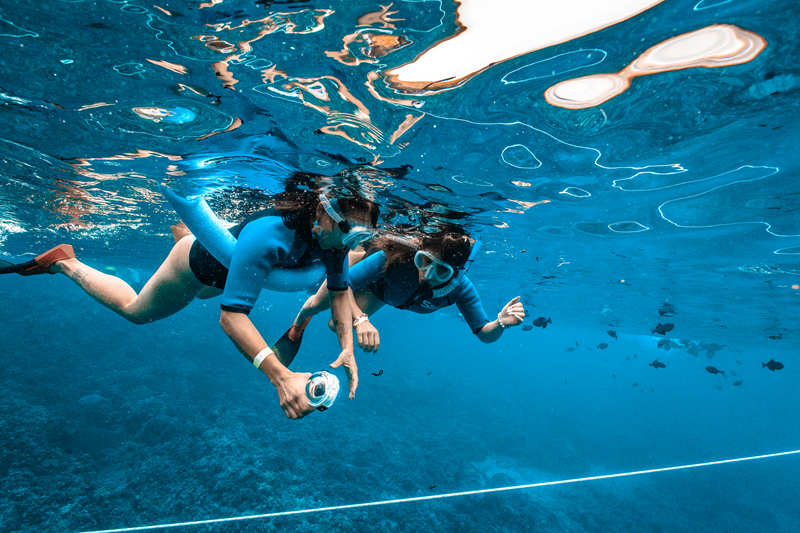
Sie müssen nicht mit einer kompletten Tauchschule nach Maui fliegen, wenn Sie an einer geführten Schnorcheltour mit dem Boot teilnehmen.
Bringt den Tourtag auf den Weg!
Badeanzug, vorzugsweise unter der Kleidung getragen
Handtuch, da keine Handtücher bereitgestellt werden
Trockene Kleidung für die Rückreise
Hut und Sonnenbrille
Wasserdichte Handyhülle oder Kameraschutz
Kreditkarte oder Telefon für Hafenparkplätze
Ihr bevorzugtes Mittel gegen Seekrankheit, falls erforderlich
Alle persönlichen Medikamente, die Sie möglicherweise benötigen
Was das Schnorcheln auf Maui bietet
Standard-Schnorchelmaske, Schnorchel und Flossen
Flotationsmöglichkeiten
Ausrüstungsanpassung und Anfängerbetreuung
Mineralischer Sonnenschutz zur Verwendung durch Gäste
Speisen und Getränke je nach gewählter Tour
Schatten, Sitzgelegenheiten und Bordtoiletten
Optionale Neoprenanzug-Ausleihe
Vollgesichts-Schnorchelmasken sind auf der Lani Kai II nicht erlaubt. Lesen Sie unsere Bewertungen. Häufig gestellte Fragen zur Schnorcheltour auf Maui Aktuelle Informationen zu Check-in, Parken, Schwimmen, Ausrüstung und Verpflegung finden Sie hier.
Was Sie für die Reise nach Hāna einpacken sollten
Die Straße nach Hāna ist eine lange Panoramastraße, keine kurze Fahrt zu einem Aussichtspunkt. Bewahren Sie eine kleinere Tagestasche im Fahrzeug auf mit:
Leichte Regenjacke
Wander- oder Trekkingschuhe
Wasser und Snacks
Mittel gegen Reisekrankheit
Handy-Ladegerät und Powerbank
Offline-Wegbeschreibung
Trockene Kleidung
Kleiner Erste-Hilfe-Kasten
Reservierungsbestätigungen
Lassen Sie keine Taschen, Kameras, Geldbörsen oder elektronische Geräte sichtbar im geparkten Fahrzeug liegen. Planen Sie Ihre Stopps mit unserem Reiseführer nach Hāna.
Was man in Haleakalā tragen sollte
Der Haleakalā ist für viele Erstbesucher die größte Überraschung beim Packen. Der Gipfel liegt über 3.000 Meter über dem Meeresspiegel und kann um Sonnenaufgang windig, feucht und um den Gefrierpunkt oder sogar darunter sein.
Packen oder tragen:
Lange Hosen
Geschlossene Schuhe und Socken
Warmer Pullover oder Fleece
Winddichte Außenjacke
Mütze
Leichte Handschuhe
Wasser
Identifizierung und Reservierungsbestätigung für Sonnenaufgang
Lassen Sie sich bei der Wahl Ihrer Gipfelkleidung nicht von der Temperatur in Ihrem Resort leiten. Informieren Sie sich vor der Fahrt über die aktuellen Wetter- und Straßenverhältnisse im Park.
Was Sie für Wanderungen und Wasserfälle auf Maui einpacken sollten
Die Wanderwege auf Maui reichen von heißen, exponierten Lavapfaden bis hin zu feuchten Regenwaldwegen. Passen Sie Ihre Ausrüstung dem jeweiligen Wanderweg an und nicht jedem Spaziergang einen Strandweg an, der sich ideal für Flip-Flops eignet.
Nützliche Wanderausrüstung:
Trailrunning-Schuhe mit gutem Grip
Leichte Regenjacke
Wasser
Sonnenschutz
Insektenschutzmittel
Snacks
Kleiner Erste-Hilfe-Kasten
Offline-Karte oder heruntergeladene Wegbeschreibung
Betreten Sie Bäche oder Becken mit Wasserfällen niemals bei starkem Regen oder Sturzfluten. Nutzen Sie unsere Wanderwegeführer für Maui um Routen und Planungsanforderungen zu vergleichen.
Was man bei Maui-Farmtouren tragen sollte
Feldwege können grasbewachsen, staubig, schlammig, steil, steinig oder uneben sein. Festes Schuhwerk ist in der Regel praktischer als empfindliche Sandalen.
Für Bauernhöfe im Hinterland bringen Sie bitte Folgendes mit:
Schuhe mit geschlossener Spitze
Leichte Schichten
Regenjacke
Sonnenschutz
Wiederverwendbare Wasserflasche
Kleidung, die Schmutz und Tierhaaren standhält
Vergleichen Sie Kaffee-, Ananas-, Kakao-, Ziegen-, Bienen- und tropische Fruchterlebnisse in unserem Maui Farm Tours Guide.
Bereit zum Schnorcheln auf Maui?
Sichern Sie sich Ihren Platz auf einer Schnorcheltour auf Maui! Genießen Sie einen entspannten Tag auf dem Meer mit Schnorchelausrüstung, Verpflegung, Unterstützung durch die Crew und einfacher Online-Buchung.
Beste Sichtbarkeit Morgentour zum Molokini-Krater und zur Schildkrötenstadt
Was Sie für regnerische Tage auf Maui einpacken sollten
Regen kann lokal begrenzt und kurzzeitig auftreten oder Teil eines größeren Wettersystems sein. Halten Sie diese Gegenstände griffbereit:
Leichte Regenjacke
Sichere Wanderschuhe
Trockenbeutel für Elektronik
Extra trockenes Hemd
Handy-Ladegerät
Offline-Wegbeschreibung
Gehen Sie nach starkem Regen nicht in braunes oder trübes Meerwasser. Nutzen Sie unseren Maui-Aktivitätenführer für Regentage wenn die äußeren Bedingungen einen anderen Plan erfordern.
Packliste für Familien auf Maui
Familien sollten die Ausstattung an das Alter, die Gewohnheiten und die Komfortbedürfnisse jedes einzelnen Kindes anpassen.
Schwimmwindeln bei Bedarf
Zusätzliche Wechselkleidung in der Tagestasche
Bekannte Snacks
Medikamente für Kinder
Sonnenhut und Rashguard
Kleiner Komfortartikel für Autofahrten oder Flüge
Tablet, Kopfhörer, Bücher oder Reisespiele
Wiederverwendbarer Nasskleidungsbeutel
Leichter Hoodie für Bootsfahrten und kühle Abende
Planen Sie nicht, alle kinderspezifischen Artikel erst nach der Ankunft zu kaufen. Bringen Sie wichtige Medikamente, Dinge, die dem Kind ein Gefühl von Geborgenheit vermitteln, Spezialnahrung und alles mit, was schwer zu ersetzen sein könnte.
Ferienwohnung vs. Resort: Packliste
Für einen Aufenthalt in einer Ferienwohnung
In einer Ferienwohnung kann es sinnvoll sein, Waschmittel, wiederverwendbare Einkaufstaschen, Vorratsdosen, eine Kühltasche und Grundnahrungsmittel mitzubringen oder zu kaufen. Prüfen Sie vor dem Packen, was die Wohnung bereits bietet.
Für einen Resortaufenthalt
Ein Resort stellt möglicherweise Poolhandtücher, Toilettenartikel, Haartrockner, Bademäntel und Strandutensilien zur Verfügung, die Bestimmungen können jedoch variieren. Erkundigen Sie sich, ob Sie Handtücher und Stühle vom Gelände mitnehmen dürfen.
Packen Sie keine sperrigen Gegenstände aufgrund einer Vermutung ein. Eine kurze Rücksprache mit Ihrer Unterkunft kann viel Platz im Koffer sparen.
Was man nach der Landung auf Maui kaufen sollte
Manche Dinge lassen sich nach der Ankunft leichter kaufen, mieten oder ausleihen:
Große Flaschen mineralischer Sonnencreme nur im Handgepäck mitführen
Lebensmittel und abgefüllte Getränke
Frisches Obst und Snacks
Windeln und Feuchttücher für längere Aufenthalte
Preiswerte Strandstühle oder Sonnenschirme, falls die Unterkunft diese nicht bereitstellt.
Kühlzubehör und Eis
Lokal angebauter Kaffee, Honig, Obst und zubereitete Speisen
Besuchen Sie unsere Maui Bauernmarktführer für lokal angebaute Produkte und auf der Insel hergestellte Waren.
Was Sie nicht nach Maui mitbringen sollten
Nichtmineralischer Sonnenschutz
Im Bezirk Maui sind mineralische Sonnenschutzmittel zulässig, es sei denn, ein nicht-mineralisches Produkt wird von einem zugelassenen Arzt verschrieben. Als Wirkstoff sollten Zinkoxid oder Titandioxid gewählt werden.
Zu viel formelle Kleidung
Auf Maui geht es im Allgemeinen leger zu. Ein etwas schickeres Outfit reicht normalerweise aus, es sei denn, Ihre Reise beinhaltet mehrere formelle Anlässe.
Mehrere Paar schwere Schuhe
Die meisten Besucher kommen mit Sandalen, bequemen Wanderschuhen und gegebenenfalls Wander- oder Wasserschuhen zurecht, wenn ihre Reiseroute dies erfordert.
Sperrige Strandausrüstung
Prüfen Sie, ob Ihr Resort, Ihre Ferienwohnung, Ihr Verleihunternehmen oder Ihr Aktivitätsanbieter Strandstühle, Kühlboxen, Sonnenschirme, Handtücher oder Schnorchelausrüstung zur Verfügung stellt.
Eine komplette Schnorchelausrüstung für eine geführte Tour
Maui Snorkeling stellt Standardausrüstung und Schwimmwesten zur Verfügung. Bringen Sie Ihre eigene Ausrüstung nur dann mit, wenn Sie dies unbedingt wünschen und der Anbieter dies erlaubt.
Eine Vollgesichts-Schnorchelmaske für die Lani Kai II
Bei den Schnorcheltouren auf Maui sind Vollgesichts-Schnorchelmasken nicht erlaubt. Standardmasken und Schnorchel werden gestellt.
Unersetzlicher Schmuck und Wertgegenstände
Salzwasser, Sand, Umkleidekabinen, geparkte Autos und Aktivitäten im Freien sind keine idealen Orte für sentimentale oder teure Gegenstände.
Was Sie nicht von Maui mit nach Hause nehmen sollten
Lebensmittel oder Pflanzen, von denen Sie annehmen, dass sie nach Hause fliegen können
Bei der Ausreise aus Hawaii gelten landwirtschaftliche Bestimmungen. Lebensmittel, Pflanzen, Blumen, Saatgut und andere landwirtschaftliche Artikel müssen vor dem Kauf als Geschenk zur Inspektion durch das US-Landwirtschaftsministerium (USDA) vorgelegt werden. Informieren Sie sich über die aktuellen Bestimmungen.
Korallen, Sand, Steine, Muscheln oder Meereslebewesen
Lassen Sie Natur- und Kulturgegenstände dort, wo Sie sie gefunden haben. Machen Sie Fotos und kaufen Sie stattdessen legal hergestellte Souvenirs aus der Region.
Packtipps für den Flughafen Maui
Sonnencreme Sonnenschutzmittelbehälter im Handgepäck dürfen maximal 100 ml fassen, sofern keine Ausnahmeregelung gilt. Größere Flaschen gehören ins aufgegebene Gepäck oder müssen nach der Landung gekauft werden.
Powerbanks: Tragbare Ladegeräte und Ersatz-Lithiumbatterien gehören ins Handgepäck, nicht ins aufgegebene Gepäck.
Medikamente: Bewahren Sie wichtige Medikamente griffbereit in Ihrem Handgepäck auf. Die TSA erlaubt medizinisch notwendige Flüssigkeiten in angemessenen Mengen, sofern diese ordnungsgemäß angemeldet sind.
Landwirtschaftliche Produkte: Vor Verlassen von Hawaiʻi müssen Lebensmittel, Pflanzen und andere landwirtschaftliche Erzeugnisse zur Inspektion durch das USDA vorgelegt werden.
Nasse Gegenstände: Badeanzüge und Handtücher sollten nach Möglichkeit vor dem Einpacken getrocknet werden, um Gerüche und übermäßige Feuchtigkeit zu vermeiden.
Häufig gestellte Fragen
Packen Sie leichte Hemden, Shorts, Badebekleidung, ein Strandkleid, Sandalen, bequeme Wanderschuhe und ein legeres Abendoutfit ein. Ergänzen Sie Ihre Ausrüstung mit langen Hosen, einem Pullover und einer warmen Jacke, wenn Sie Aktivitäten am Haleakalā oder im kühleren Hinterland planen.
Zwei oder drei Badeanzüge reichen für die meisten Reisen völlig aus. Mehrere Badeanzüge haben genügend Zeit, zwischen Strand-, Pool-, Schnorchel- und Bootsausflügen zu trocknen.
Ja. Ein leichter Pullover oder eine Windjacke ist für Bootsfahrten, abends, in Restaurants und im Hinterland nützlich. Für den Sonnenaufgang oder Sonnenuntergang am Haleakalā sollten Sie eine deutlich wärmere Jacke, lange Hosen, geschlossene Schuhe, eine Mütze und Handschuhe mitnehmen.
Nein. In Maui County sind mineralische Sonnenschutzmittel erlaubt, es sei denn, ein nicht-mineralisches Produkt wird verschrieben. Wählen Sie ein Sonnenschutzmittel mit Zinkoxid oder Titandioxid als Wirkstoff.
Bringen Sie Ihre eigene Ausrüstung für individuelle Schnorchelausflüge vom Ufer aus mit, wenn Sie eine individuelle Passform bevorzugen. Die Schnorchelboot-Touren auf Maui bieten Standardmasken, Schnorchel, Flossen, Schwimmwesten, Unterstützung für Anfänger und mineralische Sonnencreme.
Ja, es gelten jedoch die üblichen Flüssigkeitsbeschränkungen der TSA. Sonnenschutzmittelbehälter im Handgepäck dürfen in der Regel maximal 100 ml fassen. Größere Behälter gehören ins aufgegebene Gepäck oder Sie kaufen mineralische Sonnencreme nach der Landung.
Wasserschuhe sind nützlich für felsige Einstiege, heiße Oberflächen, Gezeitentümpel und unebene Uferwege, aber sie sind nicht für jeden Sandstrand oder jede geführte Bootstour notwendig.
Packen Sie lange Hosen, geschlossene Schuhe, warme Socken, eine Fleecejacke oder einen Pullover, eine winddichte Jacke, eine Mütze, leichte Handschuhe, Wasser, Ihren Ausweis und gegebenenfalls Ihre Reservierungsbestätigung für den Sonnenaufgang ein.
Einige Agrarprodukte sind nach einer Inspektion möglicherweise zugelassen, andere unterliegen Beschränkungen. Legen Sie alle Lebensmittel, Pflanzen, Blumen, Samen und landwirtschaftlichen Erzeugnisse den USDA-Inspektoren vor, bevor Sie Hawaii verlassen, und informieren Sie sich über die jeweils geltenden Bestimmungen.
Abschließende Gedanken zur Packliste für Maui
Eine gute Packliste für Maui bereitet Sie auf verschiedene Klimazonen vor, ohne dass Sie einen übergroßen Koffer durch den Flughafen schleppen müssen.
Packen Sie leichte Kleidung, mehrere Schichten, zwei bis drei Badeanzüge, Sonnenschutz, bequeme Schuhe, eine Regenjacke und ein wirklich warmes Outfit für den Haleakalā ein. Ergänzen Sie Ihre Ausrüstung nur mit dem, was Sie für Ihre geplanten Aktivitäten benötigen.
Informieren Sie sich, was Ihre Unterkunft und die von Ihnen angebotenen Touren bereitstellen, bevor Sie Handtücher, Strandutensilien, Schnorchelausrüstung und andere sperrige Gegenstände einpacken.
Ziel ist es, gut vorbereitet anzureisen, nicht den gesamten Kleiderschrank mitten im Pazifik zu verlegen. Planen Sie lieber etwas mehr Platz ein. Besucher von Maui reisen meist mit mehr Kaffee, Schokolade, Hemden und Einkäufen vom Bauernmarkt nach Hause, als sie ursprünglich geplant hatten.
Quellen & Updates
Nutzen Sie diese offiziellen und aktuellen Quellen, um sich vor Ihrer Reise über die Sonnenschutzbestimmungen auf Maui, das Wetter am Haleakalā, die Anforderungen bei Sonnenaufgang, die Gepäckbestimmungen der Fluggesellschaften, landwirtschaftliche Kontrollen und die Leistungen von Schnorcheltouren auf Maui zu informieren.