Mantarochen auf Maui: Sind sie häufig und wo kann man sie sehen?
19. Juni 2026
| Meeresleben
Verfasst von Schnorcheln auf Maui, Seit 1985 bietet das Unternehmen Touren zum Molokini-Krater, nach Turtle Town und zu den Korallengärten ab dem Hafen von Māʻalaea an. Die Touren werden von Kapitänen mit USCG-Lizenz an Bord eines Schiffes geleitet. von der US-Küstenwache inspiziertes Passagierschiff.
Letzte Aktualisierung: 4. September 2026
Kurzantwort
Mantarochen in Maui, angerufen hāhālua In Hawaii kann man Riffmantas beim Schnorcheln beobachten, allerdings ist dies nicht häufig und auch nicht garantiert. Sie können in der Nähe von Riffkanten, Putzerstationen, Felsvorsprüngen und tieferen Kanälen auftauchen, besonders bei ruhigem und klarem Wasser. Sollten Sie einen sehen, jagen oder berühren Sie ihn nicht. Treiben Sie ruhig im Wasser, geben Sie ihm Raum und lassen Sie ihn natürlich gleiten.
Wichtigste Erkenntnisse:
Hawaiianischer Name: Mantarochen sind in Hawaii als hāhālua bekannt.
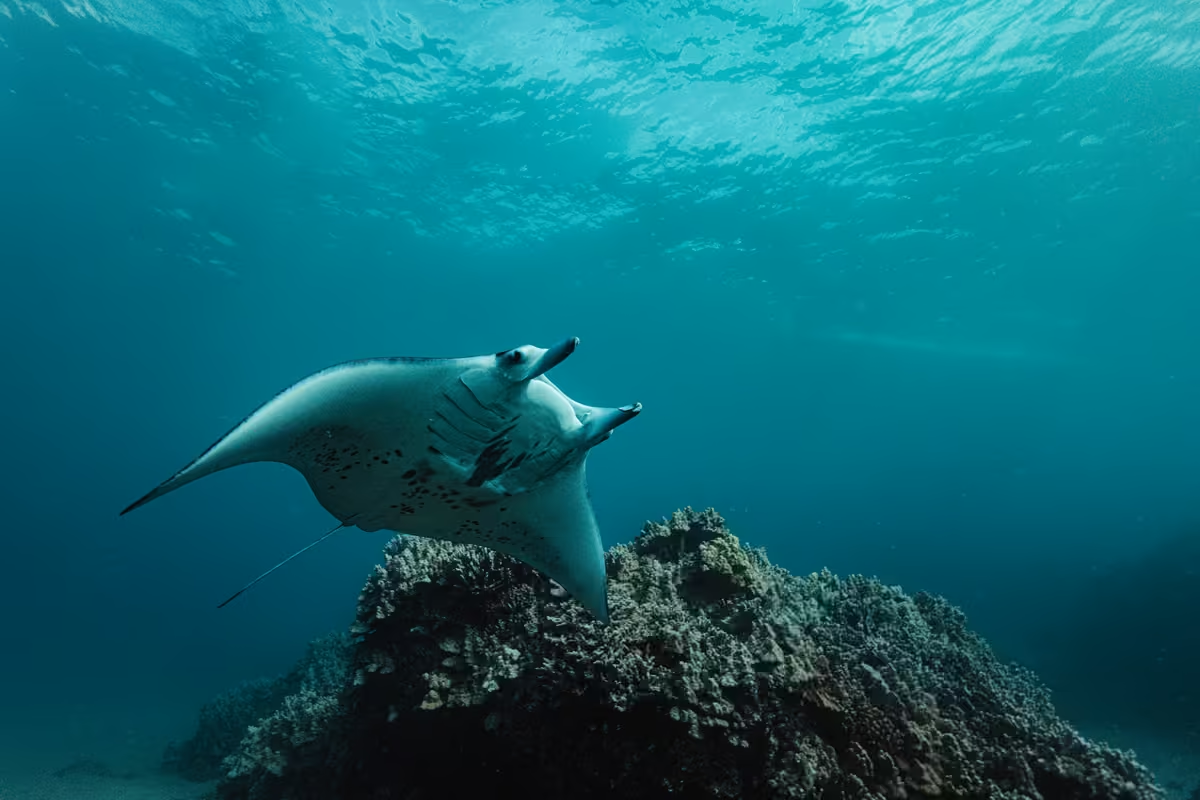
Bester Identifikationshinweis: Achten Sie auf breite, flügelartige Flossen, einen breiten Körper und eine anmutige Gleitbewegung.
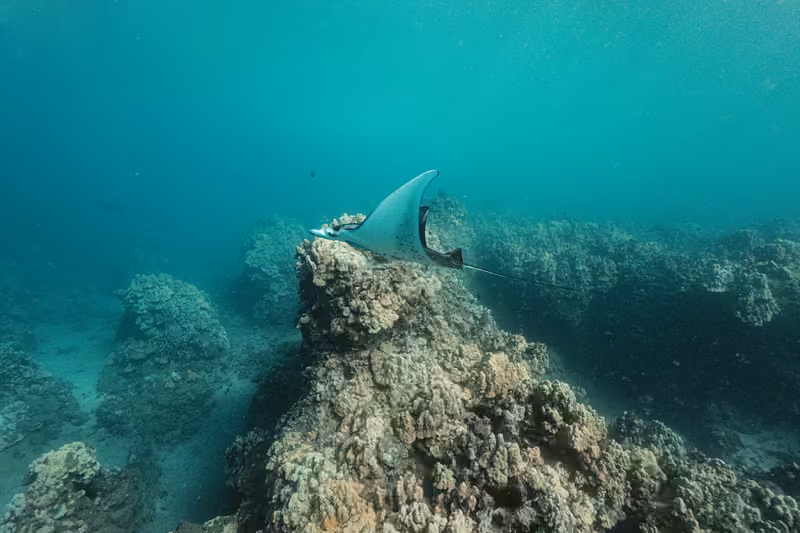
Wo suchen: Riffkanten, Felsvorsprünge, Putzerstationen und tiefere Kanäle
Nicht garantiert: Mantarochen-Sichtungen vor Maui sind ein besonderes Highlight, keine Standarderwartung beim Schnorcheln.
Wildtier-Tipp: Mantarochen dürfen nicht berührt, gejagt, blockiert oder angelockt werden.
Wenn Sie jemals einen riesigen, anmutigen Schatten durch das Wasser gleiten sahen wie ein Unterwasser-Raumschiff mit Flügeln, dann haben Sie vielleicht eines der unvergesslichsten Meerestiere Hawaiis entdeckt: einen Manta.
Mantarochen in Maui Schnorcheln ist keine alltägliche Begegnung, und wir raten davon ab, die gesamte Reise darauf auszurichten. Aber wenn es passiert? Wow! Das ist ein Moment, von dem man noch Jahre später erzählt.
In Hawaii sind Mantarochen bekannt als hāhālua. Sie sind sanfte Filtrierer; sie haben keine Stacheln und bewegen sich mit einer fast magischen Zeitlupenbewegung durch das Wasser.
Gibt es Mantarochen in Maui?
Ja, Mantarochen leben in den Gewässern um Maui. Wichtig zu wissen ist, dass sie … Bonussichtung, Bei einer Schnorcheltour ist das Auftreten von Tieren nicht garantiert.
Hawaii ist die Heimat sowohl von Riffmantarochen als auch von Hochseemantarochen. Rund um Maui begegnen Schnorchler häufiger Riffmantarochen, die küstennahe Riffgebiete, Putzerstationen, Felsvorsprünge und tiefer gelegene Riffkanten nutzen.
Wenn Sie beim Schnorcheln einen Mantarochen sehen, bleiben Sie ruhig, treiben Sie still und genießen Sie den Moment, ohne ihn zu verfolgen. Die schönste Begegnung ist die, bei der der Mantarochen seinen Weg selbst wählt und Sie einfach das Glück haben, Zeuge zu werden.
Kurzinfos zu Mantarochen
Hier ein kurzer Überblick über Mantarochen in Maui, inklusive Tipps zur Identifizierung und was Schnorchler wissen sollten, bevor sie auf eine seltene Sichtung hoffen.
Thema
Einzelheiten
Gebräuchlicher Name
Manta
Hawaiianischer Name
Hāhālua
Wissenschaftliche Namen
Riffmantarochen werden im Allgemeinen wie folgt aufgeführt: Mobula alfredi, während Riesen- oder Ozeanmantarochen als aufgeführt werden Mobula birostris
Größe
Riffmantarochen können beeindruckende Flügelspannweiten erreichen, während Riesenmantarochen sogar noch größer werden können.
Die besten Identifikationsmerkmale
Breiter, rautenförmiger Körper, glatte, flügelartige Flossen, nach vorn gerichtetes Maul, Kopfflossen in der Nähe des Mauls und kein Stachel am Schwanz
Farbe und Zeichnung
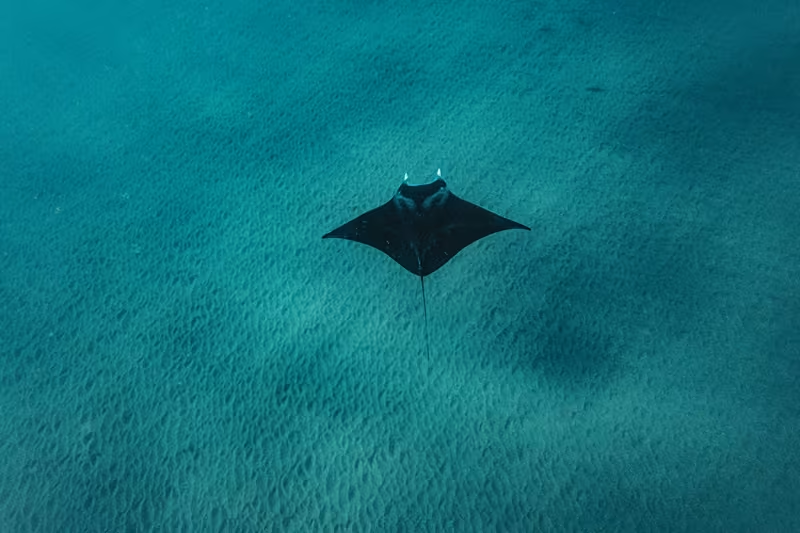
Normalerweise ist der Rücken dunkel, der Bauch hingegen weist hellere Zeichnungen auf. Jeder Mantarochen hat ein einzigartiges Bauchmuster.
Körperform
Groß, flach, anmutig und flügelartig, mit einer deutlich breiteren Form als die meisten Rochen, die Schnorchler in der Nähe der Riffe von Maui sehen.
Wo man suchen soll
Offene Riffkanten, tiefere Kanäle, Außenriffgebiete und Orte, an denen sich Plankton ansammeln kann
Wie sie sich bewegen
Mantarochen gleiten sanft durch das Wasser, indem sie ihre großen Brustflossen langsam wie Flügel schlagen.
Was sie essen
Plankton und andere winzige Organismen werden beim Schwimmen aus dem Wasser gefiltert.
Ähnliche Strahlen
Gefleckte Adlerrochen und Stachelrochen werden häufig mit Mantarochen verwechselt, aber sie unterscheiden sich in Körperform, Schwanz und Zeichnung.
Sind sie gefährlich?
Nein. Mantarochen haben keinen Stachel, aber Schnorchler sollten sie niemals berühren, jagen, blockieren oder bedrängen.
Schnorcheltipp
Betrachten Sie die Sichtung eines Mantarochens als ein seltenes Erlebnis. Bleiben Sie ruhig, halten Sie Abstand, treiben Sie leise im Wasser und lassen Sie das Tier seinen Weg wählen.
Hinweis: Mantarochen-Sichtungen sind bei Schnorchelausflügen auf Maui nicht garantiert. Man sollte sie als seltenes und unvergessliches Naturerlebnis betrachten und nicht als etwas, das man bei jedem Schnorchelausflug erwarten kann.
Was ist ein Mantarochen?
Ein Mantarochen ist ein großer, flügelförmiger Rochen, der sich ernährt, indem er winziges Plankton aus dem Wasser filtert. Im Gegensatz zu Stachelrochen tun Mantarochen dies nicht. nicht Sie besitzen einen Stachel und sind daher nicht so gefährlich, wie viele Besucher annehmen.
Achten Sie auf diese Hinweise:
Breite, flügelartige Flossen: Sie sehen aus, als würden sie unter Wasser fliegen.
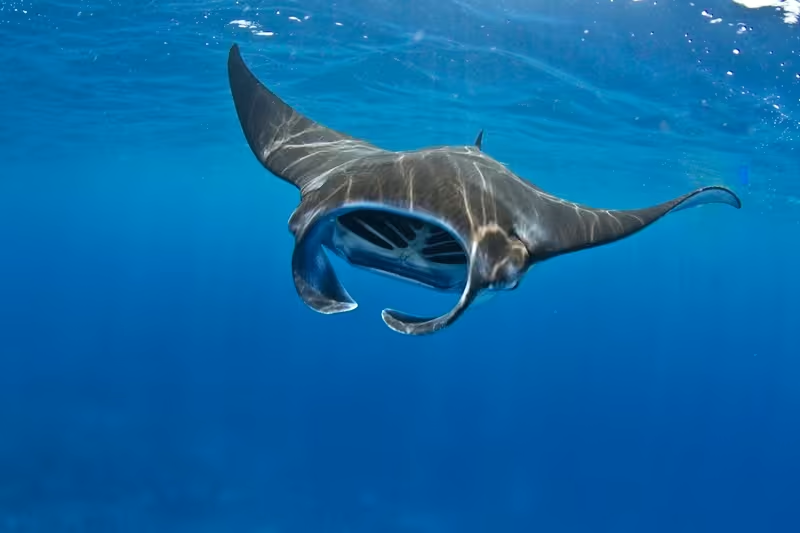
Beim Fressen weit geöffnetes Maul: Möglicherweise schwimmen sie mit offenem Maul, um Plankton zu filtern.
Kopfflossen: Hierbei handelt es sich um die eingerollten oder entfalteten, “hornartigen” Flossen in der Nähe des Mauls, die dabei helfen, die Nahrung in den Mund zu befördern.
Dunkle Oberseite, hellere Unterseite: Ihre Unterseite weist oft einzigartige Fleckenmuster auf, die zur Identifizierung dienen.
Die Fleckenmuster auf diesem Bauch ähneln den Fingerabdrücken eines Mantas, weshalb Fotos der Unterseite Forschern helfen können, einzelne Tiere zu identifizieren.
Riff-Mantarochen vs. Hochsee-Mantarochen
In Hawaii gibt es sowohl Riffmantas als auch Hochseemantas. Für Schnorchler besteht der Unterschied hauptsächlich darin, wo und wie oft man sie antreffen kann.
Riffmantarochen Sie sind eher mit küstennahen Riffumgebungen, Putzerstationen und inselspezifischen Populationen assoziiert. Ozeanische Mantarochen sind im Allgemeinen größer und stärker auf den offenen Ozean ausgerichtet.
Für normale Maui-Besucher ist die wichtigste Regel einfach: Wenn ein Mantarochen auftaucht, müssen Sie nicht gleich zum Meeresbiologen werden. Halten Sie Abstand, jagen Sie ihn nicht, und falls Sie ein klares Foto von seiner Unterseite machen können, ohne ihn zu stören, könnte dieses Bild für Mantarochenforscher nützlich sein.
Hinweis: Zur besseren Unterscheidung werden Riffmantas in der Regel als Mobula alfredi und Ozean- oder Riesenmantas als Mobula birostris geführt.
Mantarochen gegen Gefleckten Adlerrochen gegen Stachelrochen
Rochen können auf den ersten Blick ähnlich aussehen, besonders wenn sie schnell vorbeigleiten. Mithilfe dieser Tabelle können Sie die Rochen identifizieren, die Sie möglicherweise beim Schnorcheln in Maui gesehen haben.
Besonderheit
Manta
Gefleckter Adlerrochen
Stachelrochen
KörperformErster Hinweis
Sehr breit, weit und flügelartig
rautenförmig mit anmutigen, spitzen Flügeln
Flacher, oft runder oder rautenförmig in der Nähe des Sandes
SchwanzSchau genau hin
Kein stechender Schwanz
Langer, dünner Schwanz, oft sehr auffällig
Schwanz mit einem je nach Art vorhandenen Verteidigungsstachel
MusterFarbhinweise
Dunkle Oberseite, hellere Unterseite, einzigartiges Fleckenmuster am Bauch
Gleichmäßige, flatternde Bewegung, oft kreuzend über dem Riff
Liegt oft am Boden oder bewegt sich näher dorthin.
SchnorcheltippBestes Verhalten
Bleib still, jage nicht, fasse nicht an
Geben Sie Raum und genießen Sie es aus der Ferne
Nähern Sie sich nicht den Tieren und stören Sie sie nicht, die sich auf dem Sand ausruhen.
Hinweis: Wenn Sie sich nicht sicher sind, was Sie gesehen haben, achten Sie auf die Körperbreite, die Schwanzform und den Schwimmstil. Mantarochen sind deutlich breiter und besitzen keine Nesselzellen.
Mantarochen-Sichtungen sind in Maui an Riffkanten, in tieferen Kanälen, an Putzerstationen und in Gebieten möglich, in denen Plankton oder die Aktivität kleiner Rifffische größere Meerestiere anlockt.
Möglicherweise hören Sie von Mantarochen-Sichtungen in der Nähe:
Riffe im Süden von Maui: An Riffkanten und tieferen Strukturen können gelegentlich Mantarochen gesichtet werden.
Gebiete Olowalu und West Maui: An dieser Küste gibt es bekannte Riffhabitate und gelegentliche Sichtungen von Mantarochen.
Schnorchelplätze, die mit dem Boot erreichbar sind: Klares Wasser und die Struktur des Riffs erhöhen die Chancen, ungewöhnliche Meereslebewesen zu entdecken, aber eine Sichtung ist nie garantiert.
Die ehrliche Antwort lautet: Maui ist kein garantiertes Reiseziel für Mantarochen.. Wenn Sie nur Mantarochen sehen möchten, werden Sie wahrscheinlich mehr über nächtliche Mantarochen-Erlebnisse vor Big Island hören. Wenn Sie vor Maui schnorcheln, betrachten Sie Mantarochen als eine fantastische Überraschung.
Kann man bei einer Schnorcheltour auf Maui Mantarochen sehen?
Manchmal ja, aber das ist selten und nie garantiert.
Bei Schnorcheltouren auf Maui sieht man während der Walsaison mit größerer Wahrscheinlichkeit Rifffische, Schildkröten, Korallenriffe und – saisonal – Wale vom Boot aus. Ein Mantarochen ist ein absolutes Highlight, bei dem man alles stehen und liegen lässt und ihn einfach nur bestaunen muss.
Wenn Sie generell die besten Chancen haben möchten, interessante Meereslebewesen zu sehen, konzentrieren Sie sich auf die Dinge, die Sie kontrollieren können:
Reisen Sie bei ruhigen und klaren Bedingungen.
Langsam schnorcheln
Achten Sie auf Riffkanten und Felsvorsprünge.
Jagen Sie keine Wildtiere!
Hören Sie auf die Anweisungen der Crew, wenn Sie an einer geführten Tour teilnehmen.
Wie man sich verhält, wenn man einen Mantarochen sieht
Wenn ein Mantarochen vorbeigleitet, herzlichen Glückwunsch! Sie haben gerade im Ozean-Überraschungslotto gewonnen.
So gehen Sie vor:
Ruhig bleiben: Treibe ruhig im Wasser und lass den Mantarochen sich natürlich bewegen.
Nicht jagen: Mantas sind schnell, und die Jagd nach ihnen stresst die Wildtiere nur.
Nicht berühren: Eine Berührung kann das Tier stören und seine Schutzpanzerung beschädigen.
Den Weg nicht blockieren: Lass es schwimmen, fressen oder sich frei drehen.
Flossen hochhalten: Treten Sie beim Beobachten nicht gegen Korallen oder Riffstrukturen.
Das schönste Erlebnis mit einem Mantarochen ist, wenn man selbst Teil der Szenerie wird und nicht die Hauptrolle spielt.
Wie man einen Mantarochen respektvoll fotografiert
Mantarochen sind groß und anmutig, daher muss man ihnen nicht nahe kommen, um eine tolle Erinnerung zu schaffen.
Fototipps, die helfen
Verwenden Sie eine Weitwinkelaufnahme: Die Magie liegt in der vollen Gestalt eines Mantas.
Bleiben Sie ruhig: Sanft schwebende Beats treffen auf hektisches Treten.
Stürze dich nicht hinein: Halte die Begegnung passiv.
Versuche nur dann, die Unterseite zu treffen, wenn es sich von selbst ergibt: Verfolgen Sie den Mantarochen nicht und positionieren Sie sich nicht unter ihm.
Mantarochen sind mehr als nur wunderschöne Symbole des Ozeans. Sie sind Filtrierer, die auf Plankton, sauberes Wasser und gesunde Meeresbedingungen angewiesen sind.
Forscher verfolgen Mantarochen anhand ihrer einzigartigen Bauchfleckenmuster, und die Populationen der hawaiianischen Riffmantas scheinen klein und auf bestimmte Inseln beschränkt zu sein. Das bedeutet, dass jede Sichtung von Bedeutung sein kann und jedes Tier besonderen Respekt verdient.
Für Besucher ist die Botschaft zum Naturschutz einfach:
Mantas nicht berühren oder jagen
Plastikmüll und Meeresmüll reduzieren
Beachten Sie die Abstandsregeln für Wildtiere
Melden Sie Sichtungen gegebenenfalls.
Unterstützen Sie verantwortungsbewusste Ozeanbetreiber
Hinweis: Untersuchungen der NOAA haben ergeben, dass es sich bei den Maui Nui Riffmantas um eine kleine, eigenständige Population handelt, weshalb ruhiges und respektvolles Beobachten der Wildtiere besonders wichtig ist.
Sind Mantarochen gefährlich?
Nein, Mantarochen sind für Schnorchler nicht gefährlich. Sie haben keine Nesselzellen und ernähren sich von Plankton, nicht von Menschen.
Die größte Gefahr geht meist vom Menschen aus: Jagen, Bedrängen, Berühren, Blockieren der Bewegungsfreiheit oder so große Aufregung, dass man vergisst, wo die eigenen Flossen sind. Bleiben Sie ruhig, halten Sie Abstand und lassen Sie den Mantarochen einfach sein.
Mantarochen gegen Gefleckte Adlerrochen
Auf Maui sieht man beim Schnorcheln eher gefleckte Adlerrochen als Mantarochen, und die beiden können auf den ersten Blick verwechselt werden, weil beide anmutig aussehen und die Form eines Rochens haben.
Der Gefleckte Adlerrochen ist in der Regel kleiner, hat ein charakteristisches Fleckenmuster und kann einen langen Schwanz besitzen. Der Mantarochen ist deutlich breiter, hat flügelartige Flossen, keinen Nesselfisch am Schwanz und ein breites Maul am vorderen Körpervorderteil.
Wenn Sie mehr über eine andere Rochenart erfahren möchten, die Sie möglicherweise in Maui beobachten können, lesen Sie unseren Artikel. Gefleckte Adlerrochen in Maui Anleitung.
Sie möchten Hilfe beim Entdecken von Meerestieren auf Maui?
Eine geführte Schnorcheltour erleichtert die Beobachtung der Meeresbewohner, da man nicht raten muss, wo man hinschwimmen soll oder wie man die Meeresbedingungen einschätzen soll. Mantarochen sind zwar nie garantiert, aber ein gelungener Schnorcheltag am Riff bietet mehr als nur ein einzelnes Tier.
Je nach Bedingungen und Standort können Sie bunte Fische, Korallenformationen, Schildkröten, Rochen, Aale, Kraken und andere Überraschungen des Riffs entdecken.
Sichern Sie sich Ihren Platz auf einer Schnorcheltour auf Maui! Genießen Sie einen entspannten Tag auf dem Meer mit Schnorchelausrüstung, Verpflegung, Unterstützung durch die Crew und einfacher Online-Buchung.
Beste Sichtbarkeit Morgentour zum Molokini-Krater und zur Schildkrötenstadt
Ja, Mantarochen können in den Gewässern um Maui gesichtet werden, aber Sichtungen sind weder häufig noch garantiert. Man sollte sie am besten als besonderes Highlight bei einem Schnorchel- oder Bootsausflug betrachten.
Mantarochen sind bekannt als hāhālua in Hawaiʻi.
Nein. Mantarochen sind sanfte Filtrierer und haben keine Stacheln. Sie ernähren sich von Plankton, nicht von Menschen. Trotzdem sollte man sie niemals berühren, jagen oder ihnen den Weg versperren.
Mantarochen können in der Nähe von Riffkanten, Putzerstationen, Felsvorsprüngen, tieferen Kanälen und Gebieten mit hoher Planktonkonzentration auftreten. Sichtungen vor Maui sind möglich, aber unvorhersehbar.
Manchmal, aber eine Garantie gibt es nie. Eine Schnorcheltour mit Führung bietet ein tolles Erlebnis am Riff, aber Mantarochen sind eher ein seltener Bonus.
Bleib ruhig, treibe still im Wasser, gib dem Manta Raum und jage oder berühre ihn nicht. Lass den Manta seinen eigenen Weg wählen.
Mantarochen sind deutlich breiter, haben keinen Stachel am Schwanz und weisen oft eine sehr breite, flügelartige Form auf. Gefleckte Adlerrochen sind in der Regel kleiner, haben weiße Flecken und oft einen langen Schwanz.
Wenn Sie die Unterseite des Tieres gefahrlos fotografieren können, ohne es zu stören, kann das einzigartige Fleckenmuster Forschern helfen, das jeweilige Individuum zu identifizieren. Jagen oder bedrängen Sie einen Mantarochen niemals nur, um ein Foto zu machen.
Die Big Island ist vor allem für ihre organisierten Schnorchelausflüge mit Mantarochen bei Nacht bekannt. Mantarochen sind zwar auch auf Maui möglich, aber selten und sollten als besonderes Highlight bei einem Schnorchelausflug zum Riff betrachtet werden.
Abschließende Gedanken
Mantarochen in Maui Sie sind selten, etwas Besonderes und unvergesslich, wenn sie auftauchen. Planen Sie Ihren Schnorcheltag nicht ausschließlich darauf, einen zu sehen, aber halten Sie die Augen offen, bewegen Sie sich langsam und beobachten Sie die Riffkanten.
Wenn ein Hāhālua vorbeigleitet, bleib ruhig, jage ihm nicht hinterher und lass den Moment auf dich zukommen. Das Meer ist immer dann am schönsten, wenn die Wildtiere die Begegnung selbst bestimmen können.
Quellen & Updates
Nutzen Sie diese vertrauenswürdigen Quellen, um sich vor Ihrem Schnorchelausflug über die Identifizierung von Mantarochen, die Forschung zu Riffmantas in Hawaii, sichere Hinweise zur Tierbeobachtung, die Sicherheit beim Schnorcheln, die Meeresbedingungen und die Bildrechte für Titelbilder zu informieren.