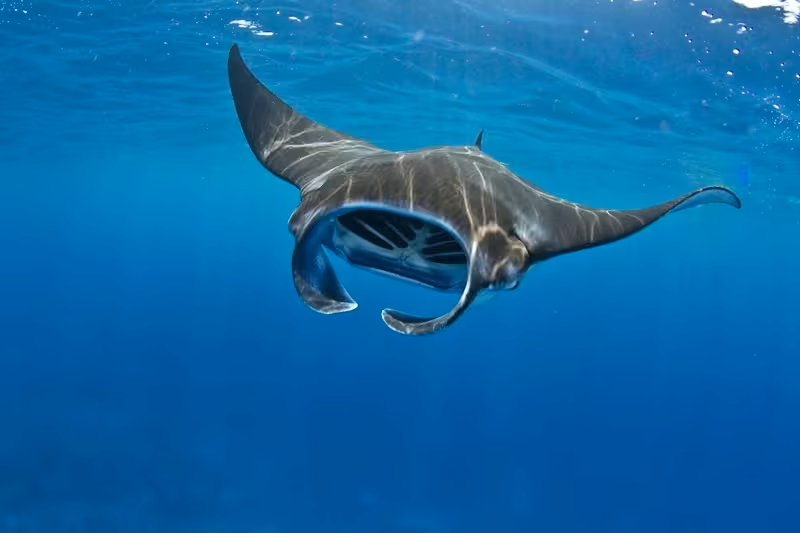
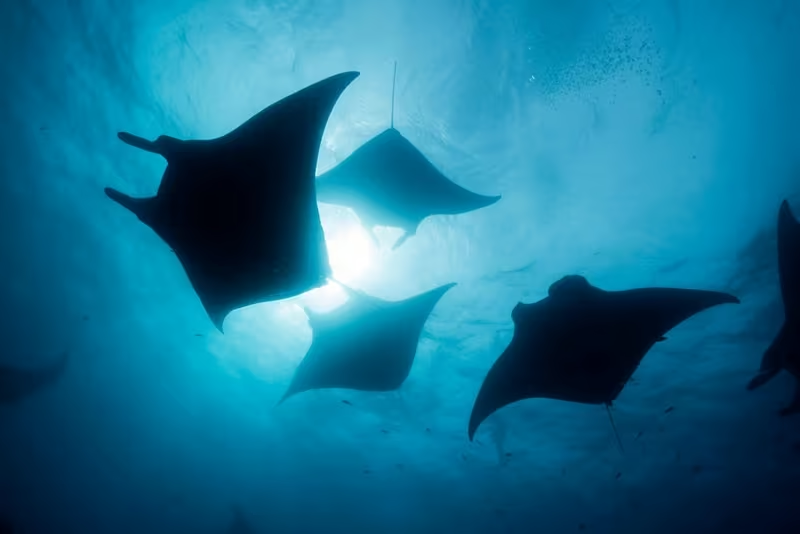
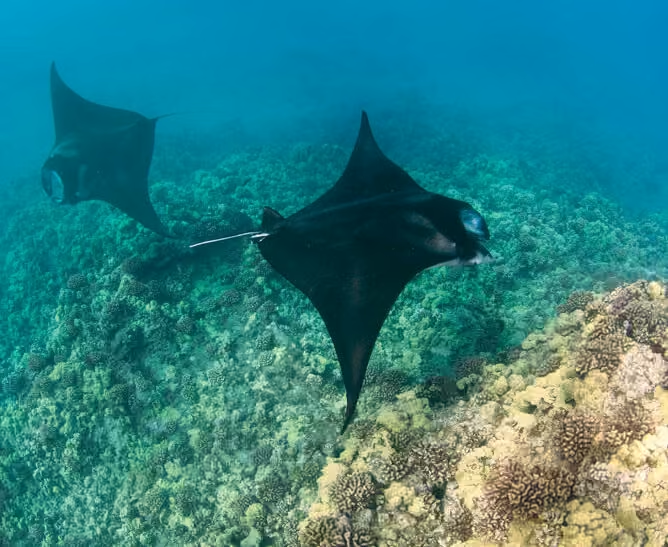
Manta rays in Maui, と呼ばれる hāhālua in Hawaiʻi, are possible to see but not common or guaranteed while snorkeling. Reef mantas may appear near reef edges, cleaning stations, ledges, and deeper channels, especially when water is calm and clear. If you see one, don’t chase or touch it. Float calmly, give it space, and let it glide naturally.
主な要点:
ハワイアンネーム Manta rays are known as hāhālua in Hawaiʻi
最も有力な身元確認の手がかり: Look for wide wing-like fins, a broad body, and a graceful gliding motion
どこで探すか Reef edges, ledges, cleaning stations, and deeper channels
Not Guaranteed: Maui manta sightings are a special bonus, not a standard snorkel expectation
Wildlife Tip: Don’t touch, chase, block, or entice manta rays
If you’ve ever seen a giant, graceful shadow glide through the water like an underwater spaceship with wings, you may have spotted one of Hawaiʻi’s most unforgettable ocean animals: a manta ray.
Manta rays in Maui are not an everyday snorkel sighting, and we don’t recommend planning your whole trip around seeing one. But when it happens? Wow. It’s the kind of moment people talk about for years.
In Hawaiʻi, manta rays are known as hāhālua. They’re gentle filter feeders; they don’t have stingers, and they move through the water with an almost magical slow-motion glide.
Are There Manta Rays In Maui?
Yes, manta rays do live in Maui waters. The key thing to know is that they are a bonus sighting, not a guaranteed animal on a snorkel tour.
Hawaiʻi is home to both reef manta rays and oceanic manta rays. Around Maui, snorkelers are more likely to hear about reef manta rays, which can use coastal reef areas, cleaning stations, ledges, and deeper reef edges.
If you see one while snorkeling, stay calm, float still, and enjoy the moment without chasing. The best manta encounter is the one where the manta chooses its path, and you simply get lucky enough to witness it.
Manta Ray Quick Facts
Here’s a simple look at manta rays in Maui, including how to identify them and what snorkelers should know before hoping for a rare sighting.
トピック
詳細
一般名
Manta ray
ハワイ語の名前
Hāhālua
Scientific names
Reef manta rays are generally listed as Mobula alfredi, while giant or oceanic manta rays are listed as Mobula birostris
サイズ
Reef manta rays can reach impressive wingspans, while giant oceanic manta rays can grow even larger
最良の身元確認の手がかり
Wide diamond-shaped body, smooth wing-like fins, forward-facing mouth, cephalic fins near the mouth, and no stinger on the tail
色と模様
Usually dark on top with lighter markings underneath. Each manta ray can have a unique belly pattern
体型
Large, flat, graceful, and wing-like, with a much broader shape than most rays snorkelers see near Maui reefs
どこを探すか
Open-water reef edges, deeper channels, outer reef areas, and places where plankton may gather
彼らがどのように動くか
Manta rays glide smoothly through the water by slowly flapping their large pectoral fins like wings
彼らが食べるもの
Plankton and other tiny organisms filtered from the water as they swim
Similar rays
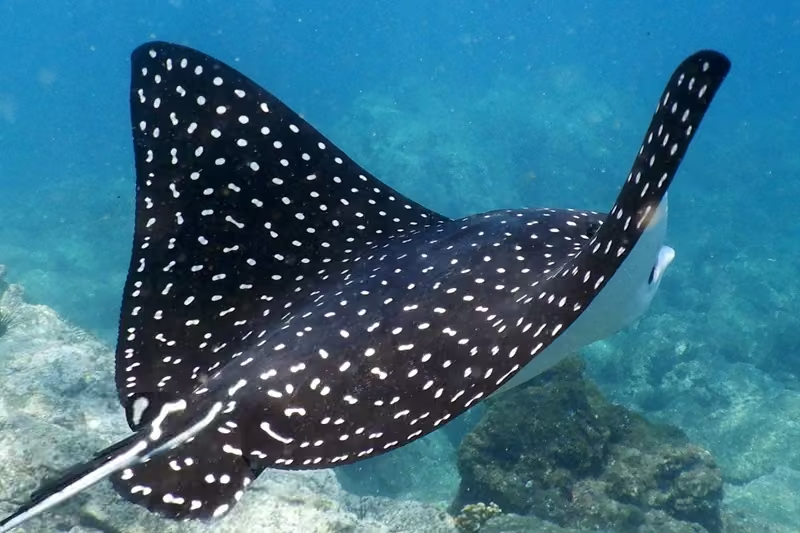
Spotted eagle rays and stingrays are more commonly confused with manta rays, but they have different body shapes, tails, and markings
それらは危険ですか?
No. Manta rays don’t have a stinger, but snorkelers should never touch, chase, block, or crowd them
シュノーケリングのヒント
Treat a manta ray sighting as a rare bonus. Stay calm, keep space, float quietly, and let the animal choose its path.
注意 Manta ray sightings aren’t guaranteed on Maui snorkel trips. They’re best treated as a rare and memorable wildlife moment, not something to expect every time you enter the water.
A manta ray is a large, wing-shaped ray that feeds by filtering tiny plankton from the water. Unlike stingrays, manta rays do いいえ have a stinger, so they are not dangerous in the way many visitors imagine.
Look for these clues:
Wide, wing-like fins: They look like they’re flying underwater.
Large open mouth when feeding: They may swim with their mouth open to filter plankton.
Cephalic fins: These are the rolled or unfurled “horn-like” fins near the mouth that help guide food in.
Dark top, lighter underside: Their underside often has unique spot patterns used for identification.
Those belly spot patterns are like manta fingerprints, which is why photos of the underside can help researchers identify individuals.
Reef Manta Rays Vs Oceanic Manta Rays
Hawaiʻi can have both reef mantas and oceanic mantas. For snorkelers, the difference is mostly about where they’re likely to be seen and how often.
Reef manta rays tend to be more associated with coastal reef environments, cleaning stations, and island-specific populations. Oceanic manta rays are generally larger and more open-ocean oriented.
For everyday Maui visitors, the practical takeaway is simple: if a manta ray appears, don’t worry about becoming a marine biologist in real time. Keep your distance, don’t chase, and if you happen to get a clear photo of the underside without disturbing it, that image may be useful for manta researchers.
Note: For extra identification clarity, reef manta rays are generally listed as Mobula alfredi, while oceanic or giant manta rays are listed as Mobula birostris.
Manta Ray Vs Spotted Eagle Ray Vs Stingray
Rays can look similar at first, especially when they glide by quickly. Use this table to identify what you might have seen while snorkeling in Maui.
特徴
Manta Ray
マダラトビエイ
Stingray
体型First Clue
Very broad, wide, and wing-like
Diamond-shaped with graceful pointed wings
Flatter, often rounder or kite-shaped near the sand
TailLook Carefully
No stinging tail
Long thin tail, often very noticeable
Tail with a defensive barb depending on species
PatternColor Clues
Dark top, lighter underside, unique belly spot pattern
White spots across a dark body
Often sandy, gray, brown, or camouflaged
水泳スタイルMovement
Slow, powerful, graceful wing-like glide
Smooth flapping motion, often cruising above the reef
Often rests or moves closer to the bottom
Snorkeler TipBest Behavior
Stay still, don’t chase, don’t touch
Give space and enjoy from a distance
Don’t step near or disturb animals resting on sand
注意 If you’re unsure what you saw, focus on body width, tail shape, and swimming style. Manta rays are much broader and do not have stingers.
Manta ray sightings in Maui are possible around reef edges, in deeper channels, at cleaning stations, and in areas where plankton or small reef fish activity attracts larger marine life.
You may hear about manta sightings near:
South Maui reefs: Reef edges and deeper structure can occasionally produce manta sightings.
Olowalu and West Maui areas: This coastline has known reef habitat and occasional manta reports.
Boat-access snorkel sites: Clear water and reef structure can improve your odds of spotting unusual marine life, but sightings are never guaranteed.
The honest answer is this: Maui is not a guaranteed manta ray destination. If seeing manta rays is your only goal, you’ll likely hear more about Big Island night manta experiences. If you’re snorkeling in Maui, think of mantas as an amazing surprise.
Can You See Manta Rays On A Maui Snorkel Tour?
Sometimes, yes, but it’s rare and never promised.
On Maui snorkel tours, you’re more likely to see reef fish, turtles, coral structure, and seasonal whale activity from the boat during whale season. A manta ray is one of those “drop everything and look” sightings.
If you want the best chance of seeing interesting marine life in general, focus on the things you can control:
Manta rays are more than beautiful ocean icons. They’re filter feeders that depend on plankton, clean water, and healthy ocean conditions.
Researchers track manta rays using their unique belly spot patterns, and Hawaiʻi reef manta populations appear to be small and island-specific. That means each sighting can matter, and each animal deserves extra respect.
For visitors, the conservation message is simple:
Don’t touch or chase mantas
Reduce plastic and ocean trash
Respect wildlife distance guidance
Report sightings when appropriate
Support responsible ocean operators
Note: NOAA research has identified Maui Nui reef mantas as a small, distinct population, which makes calm, respectful wildlife viewing especially important.
Are Manta Rays Dangerous?
No, manta rays are not dangerous to snorkelers. They do not have stingers, and they feed on plankton, not people.
The real risk is usually human behavior: chasing, crowding, touching, blocking movement, or getting so excited that you forget where your fins are. Stay calm, keep your distance, and let the manta do manta things.
Manta Rays Vs Spotted Eagle Rays
Maui snorkelers are more likely to see spotted eagle rays than manta rays, and the two can get mixed up at first glance because both look graceful and ray-shaped.
A spotted eagle ray is usually smaller, has a distinct spotted pattern, and may have a long tail. A manta ray is much broader, has wing-like fins, no stinging tail, and a wide mouth at the front of the body.
A guided snorkel tour can make marine life watching easier because you’re not guessing where to go or how to read the day’s ocean conditions. Manta rays are never guaranteed, but a great reef day is about more than one animal.
You might see colorful fish, coral structures, turtles, rays, eels, octopuses, and other reef surprises, depending on conditions and location.
Yes, manta rays can be seen in Maui waters, but sightings are not common or guaranteed. They’re best treated as a special bonus sighting during a snorkel or boat day.
Manta rays are known as hāhālua in Hawaiʻi.
No. Manta rays are gentle filter feeders and do not have stingers. They feed on plankton, not people. Still, you should never touch, chase, or block them.
Manta rays may appear near reef edges, cleaning stations, ledges, deeper channels, and areas where plankton concentrates. Maui sightings are possible but unpredictable.
Sometimes, but they’re never guaranteed. A snorkel tour can give you a great guided reef experience, but manta rays should be considered a rare bonus.
Stay calm, float still, give it space, and don’t chase or touch it. Let the manta choose its own path.
Manta rays are much wider, don’t have a stinging tail, and often show a very broad wing-like shape. Spotted eagle rays are usually smaller, have white spots, and often have a long tail.
If you can safely photograph the underside without disturbing the animal, the unique spot pattern may help researchers identify that individual. Never chase or crowd a manta just to get a photo.
The Big Island is better known for planned manta ray night snorkel experiences. Maui manta rays are possible, but they’re rare and should be treated as a special bonus during a reef snorkel day.
最終的なご意見
Manta rays in Maui are rare, special, and unforgettable when they appear. Don’t plan your whole snorkel day around seeing one, but keep your eyes open, move slowly, and watch the reef edges.
If hāhālua glides by, stay calm, don’t chase, and let the moment happen. The ocean is always better when wildlife gets to choose the encounter.
ソースと更新情報
Use these trusted resources to confirm manta ray identification, reef manta research in Hawaiʻi, safe wildlife viewing guidance, snorkeling safety, ocean conditions, and cover photo credit before your snorkel day.