Written by
Maui Snorkeling, operating tours to Molokini Crater, Turtle Town, and Coral Gardens from Māʻalaea Harbor since 1985. Tours are led by USCG-licensed captains aboard a
USCG-inspected passenger vessel.
Quick answer
Convict tangs in Maui, called
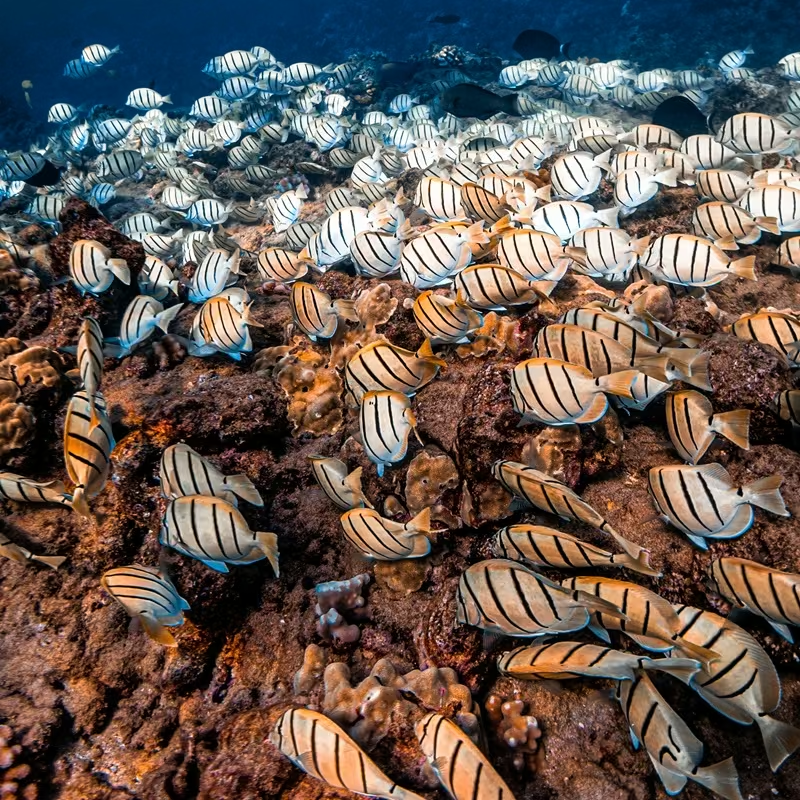
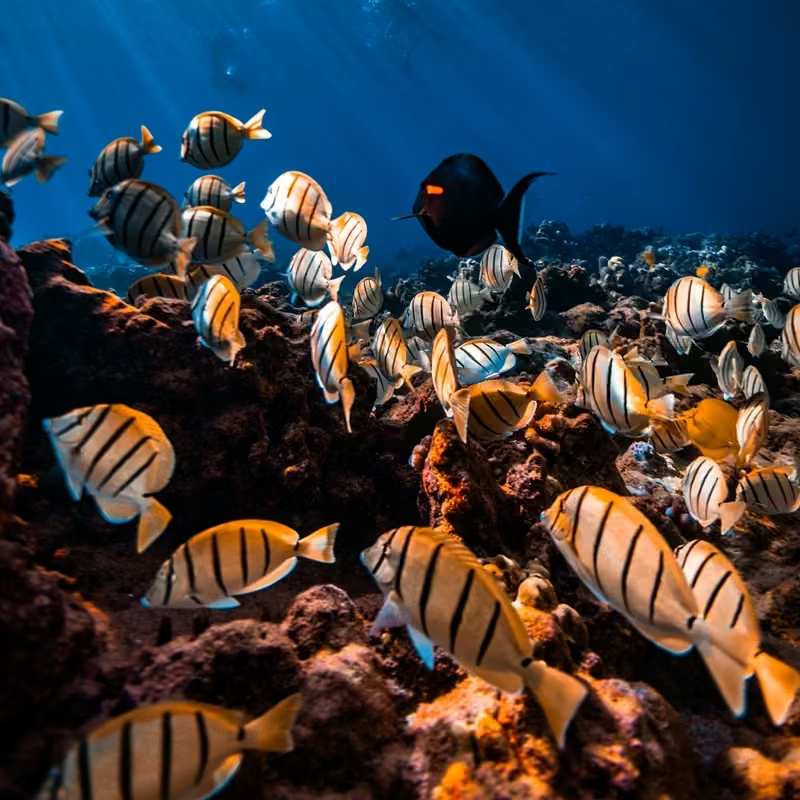
manini in Hawaiʻi, are small striped reef fish that snorkelers may see grazing algae in groups around shallow reefs, lava rock, and coral structure. Look for a pale oval body with bold black vertical bars, especially when the water is calm and clear.
Main takeaways:
- Hawaiian name: Convict tangs are called manini in Hawaiʻi
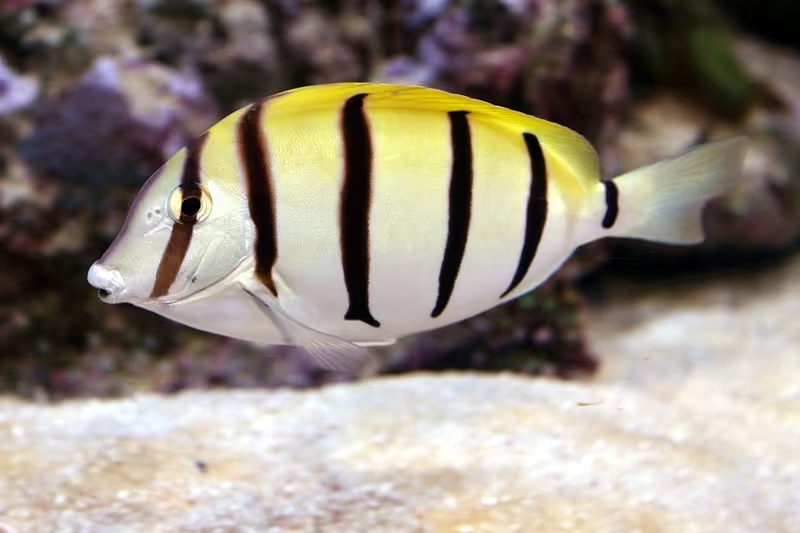
- Best ID clue: Look for a pale body with bold black vertical stripes
- Where to look: Check reef flats, rocky reef edges, coral heads, and lava rock areas
- Best conditions: Calm mornings with clear water make small reef fish easier to spot
- Reef role: Manini help the reef by grazing algae from rocks and coral surfaces
- Snorkeling tip: Don’t chase or feed fish. Float calmly and let reef life move naturally around you
Picture this: you’re floating above a Maui reef when a striped parade rushes by. Slim, silver fish with bold black stripes weave through the coral like tiny lawn mowers on a mission. Meet the Convict Tang; locals call them manini. Visitors call them ‘the ones with the prison stripes,’ but everyone agrees they’re some of the most entertaining fish to watch!
In this blog, you’ll learn how to recognize manini, where to see them, what they eat, and why they’re so important to Maui’s reefs. You’ll also find tips for spotting them while keeping the ocean healthy.
Convict Tang Fish ID: How to Recognize Manini
The convict tang (Acanthurus triostegus) belongs to the surgeonfish family, Acanthuridae. Surgeonfishes have a spine on each side of the tail base, although these are weakly developed in manini. Watch without touching, handling, or crowding the fish.
Quick ID Checklist for Convict Tangs
- Oval, disc-shaped body
- Pale silver body with bold black vertical stripes
- Small mouth for scraping algae
- Usually 5–7 inches long (sometimes bigger)
- Found in large schools, gliding over rocks and coral
Looking for the black-and-white striped fish in Maui? That’s often a convict tang, or manini, especially if it has an oval body and swims in a grazing school.
Convict tang vs. Hawaiian sergeant fish
Both fish have pale bodies and dark vertical bars, so stripes alone aren’t enough to identify them. Convict tangs have a flattened oval body and often pick algae from reef surfaces. Hawaiian sergeants, called mamo, have five dark bars and commonly gather above the reef to feed on plankton. Watch the body shape and feeding behavior together.
Why They're Called Convict Tangs and Manini
The name comes from the stripes. Their six black bars look like the old jail uniforms, which gave them the nickname “Convict." “Tang” is a common name for surgeonfish. The Hawaiian word manini can mean small or slight. Don’t let that name fool you; these little fish play a big role in keeping Maui’s reefs alive.
Why Manini Matter to Maui’s Reefs
The Reef’s Gardeners: How Manini Help Coral
Manini graze algae growing on reef surfaces. Alongside other herbivores, that feeding helps limit algae that can compete with coral. They’re one part of a larger reef community, not a guarantee that a reef will remain healthy.
Float for a moment and watch. You’ll see the pattern: glide, nibble, shuffle, nibble, repeat. It’s calming and almost musical. Their steady work is one reason Maui’s reefs look so alive.
Power in Numbers: Why Convict Tangs School
Manini may graze alone, in small groups, or in large schools. Group feeding can help them reach algae patches defended by territorial fish. Schooling may also offer protection from predators, but it isn’t their only way of living or feeding. Watch whether a group moves together or spreads out to graze.
What do young manini look like?
Newly settled manini can look surprisingly different from adults. They arrive from a drifting larval stage, nearly transparent and without the familiar dark bars. The stripes develop soon afterward. Young fish may spend time in tide pools before moving onto the reef as they grow. Observe them without collecting or handling them.
What Do Convict Tangs Eat in Maui?
Convict tangs are herbivores that graze fine algae from reef surfaces. Their small mouths and comb-like teeth suit this feeding style. Watch for repeated picking movements as they move between grazing patches.
Where to See Convict Tangs in Maui
Convict tangs are common around Maui’s shallow reefs, so many snorkelers see them in calm, clear conditions. Still, every snorkel day is different, and sightings depend on visibility, swell, wind, and where the fish are feeding.
Best Maui Snorkeling Spots to See Maninis
- Molokini Crater: Watch reef surfaces and rocky structure when conditions allow a visit.
- Turtle Town: Look along lava reef and sandy openings.
- Coral Gardens: Scan rocky and coral reef surfaces for grazing fish.
- Kapalua Bay and Napili Bay: Look within suitable reef areas without following fish around exposed points.
- Kahekili Beach Park: Watch grazing areas along the reef when entry and ocean conditions are appropriate.
- Ulua and Mōkapu: Look around reef patches while keeping clear of coral.
- Honolua Bay: Watch rocky reef habitat when access and ocean conditions are suitable.
Seasonal tip: Winter north and northwest swells can affect exposed North and West Maui shores. Summer south swells can make South Maui entries rough. Check the specific beach’s wind, swell, visibility, and advisories rather than assuming an entire coast will be calm.
How to Watch Manini Without Stressing Reef Fish
- Move slowly and keep your fins clear of the reef.
- Give fish room to continue feeding without changing direction to avoid you.
- Don’t surround a school or swim through its center.
- Never touch, chase, or feed fish.
- Don’t stand on coral or reef structure.
- Wear sun-protective clothing and use mineral-only sunscreen.
- Snorkel with a buddy and follow posted warnings and crew or lifeguard instructions.
Why Convict Tangs Have Stripes
Their contrasting bars may help break up the body’s outline, making individual fish harder for predators to distinguish. This possible protective role is called disruptive coloration.
Convict Tang Fun Facts
- A Hawaiʻi technical reference estimates a life expectancy of at least four years.
- Their nighttime coloration can become darker than their daytime appearance.
- They thrive in both shallow surge zones and calm lagoons.
- They’re found across the Indo-Pacific.
- Despite their small size, they’re one of the reef’s hardest workers.
Final Tips for Spotting Manini in Maui
To recognize manini, watch for a pale oval body, narrow dark bars, and repeated algae-picking movements near the reef. Whether you see one fish or a moving school, give it space and take time to notice its behavior.
Happy Snorkeling! 🐠🪸
👉 Interested in learning about other Maui fish? See our Maui Tropical Fish Guide!
Sources & Updates
Use these resources to review manini identification, size, feeding,
and schooling behavior. Before snorkeling, check current ocean
conditions, water-quality advisories, safety guidance, and Maui
sunscreen requirements.