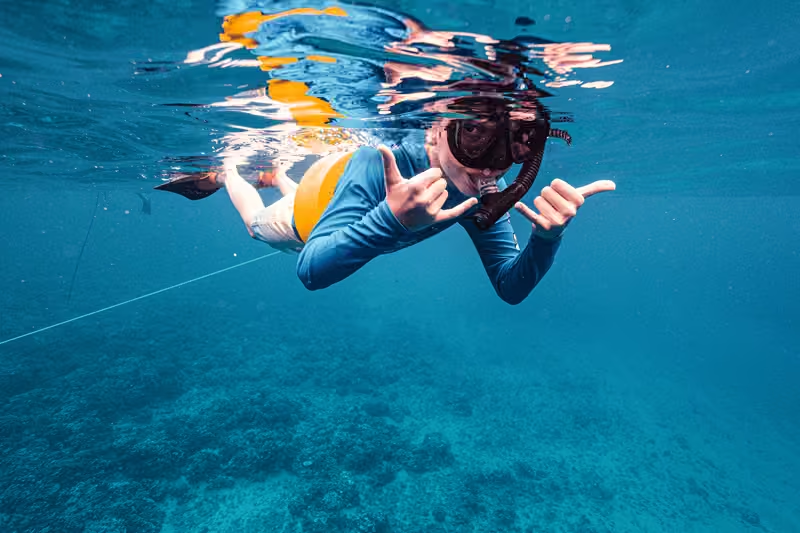
Written by the Maui Snorkeling team, operating Molokini Crater, Turtle Town, and Coral Gardens tours out of Maʻalaea Harbor since 1985. Tours are led by USCG‑licensed captains aboard a USCG‑inspected passenger vessel. We spend more days in these waters than on land.
Last updated: March 2026
Quick Answer:No. Full face snorkel masks are not allowed on Maui Snorkeling tours. We provide traditional mask and snorkel gear onboard at no extra cost. Full-face snorkel masks can be harder to clear if water enters, harder to equalize, and may increase breathing resistance or CO2 rebreathing risk depending on the design and fit.
Main Takeaways:
Tour Policy: We don't allow full-face snorkel masks on our boats
Primary Concerns: Clearing water, equalizing limitations, and breathing resistance/CO2 rebreathing risk (varies by model + fit)
What We Provide: Standard snorkel masks and snorkels, plus help with fit and basic clearing tips
Best Practice: Use familiar, easy-to-troubleshoot gear, especially in waves, current, or longer swims
Stop Immediately If: You feel “air hungry,” dizzy, anxious/panicked, unusually tired, or short of breath - signal for help and rest/float right away
If You Already Own One: Check for recalls/safety warnings, test only in calm shallow water first, and never snorkel alone
Can You Use A Full-Face Snorkeling Mask? The Answer Is No - Here's Why
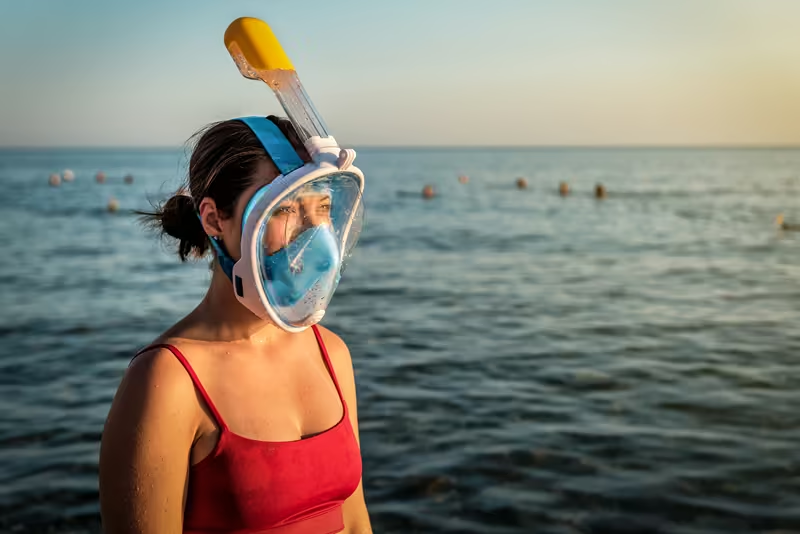
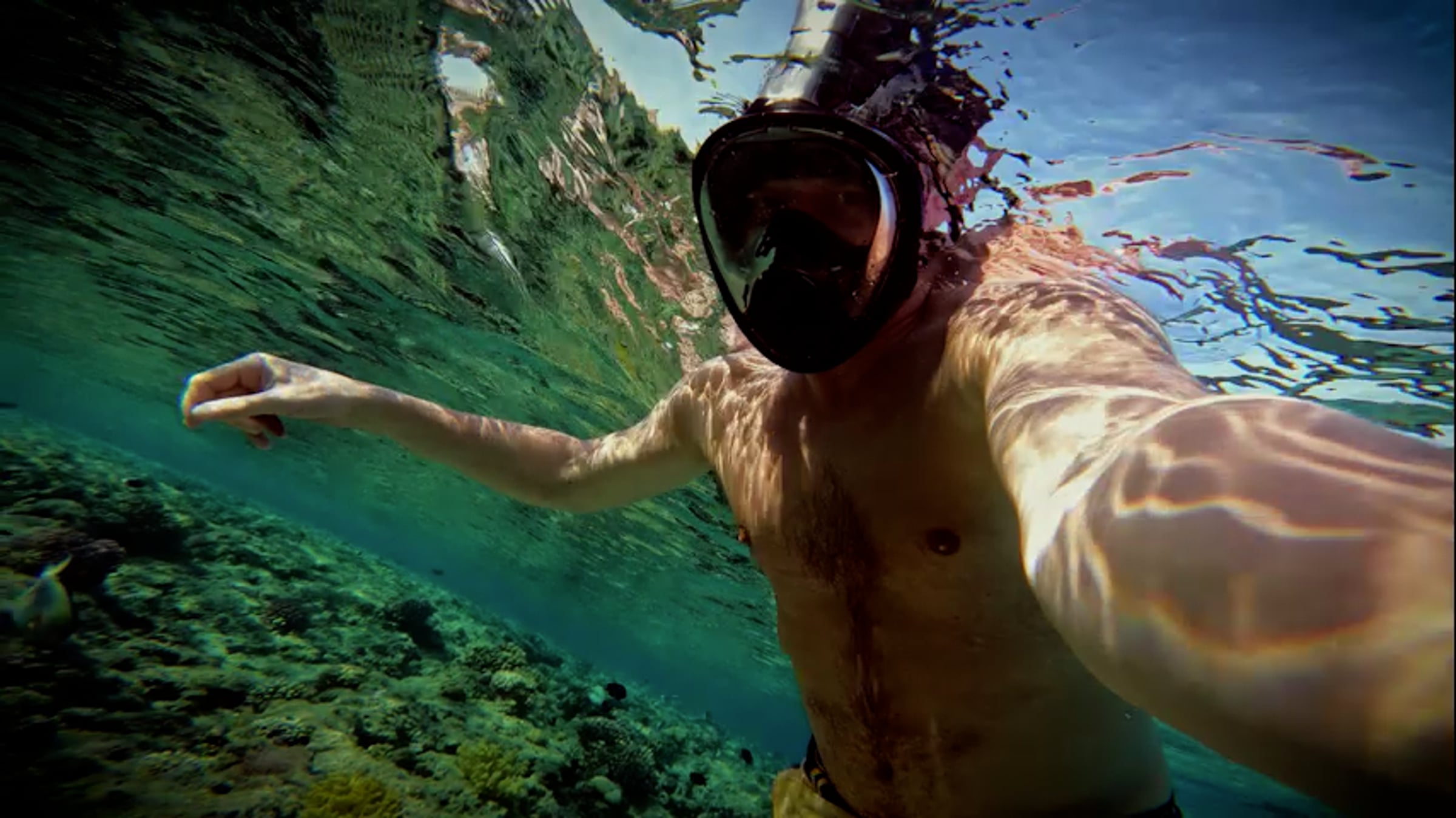
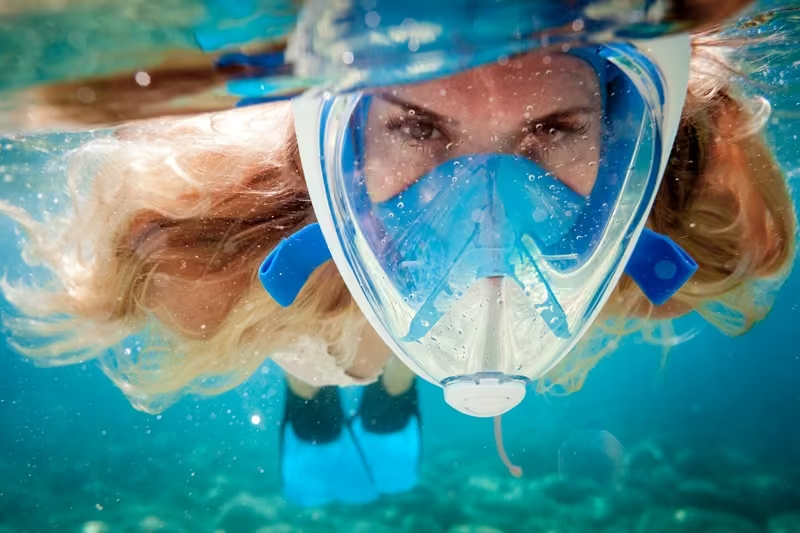
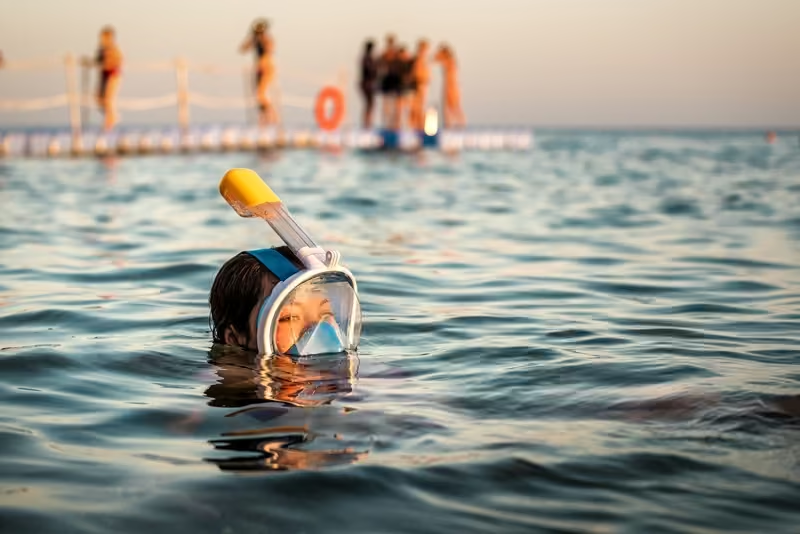
Full-face snorkeling masks have gained popularity in recent years due to their promise of enhanced comfort and ease of use. While some snorkelers may find full-face snorkeling masks convenient, they pose four significant risks:
Potential for increased CO₂ rebreathing (“dead space”) and/or breathing resistance
Increased likelihood of shallow, inefficient breathing when someone feels airflow resistance or discomfort
Difficult to clear water from the mask, leading to restricted visibility
More difficult to equalize and recover calmly if water enters (often requiring full mask removal)
In this blog, we will go into further detail discussing the four risks and shed light on why these masks are not suitable for snorkeling. To make the most of your snorkeling experience, our Molokini Crater Snorkeling Tour and Afternoon Tours provide reliable, traditional snorkeling masks suitable for all ages, eliminating the need to bring your own!
Note: If you need help choosing the right size/fit, our crew will help you onboard.
The Issue With CO₂ Rebreathing and Breathing Resistance
Full-face snorkeling masks cover the entire face and include a built-in breathing tube that allows the snorkeler to breathe through either the nose or the mouth. While this may seem convenient, it poses a critical problem: in some designs (especially with poor fit, malfunctioning valves, or water intrusion), airflow may not effectively clear exhaled air, and breathing resistance can increase.
Important nuance: Many full‑face snorkel masks claim to use one‑way valves and separated inhale/exhale channels, but performance can vary widely by brand, model, fit, and condition.
The accumulation of carbon dioxide (CO₂) (or increased CO₂ rebreathing due to “dead space”) can lead to breathing discomfort, shortness of breath, and panic, especially in choppy water or during exertion. Breathing air with elevated CO2 levels can cause shallow breathing, which, in turn, can lead to hypercapnia, a condition characterized by excess carbon dioxide in the bloodstream. If not addressed promptly, this can lead to symptoms such as dizziness, shortness of breath, loss of consciousness, and, in extreme cases, death.
If you ever feel “air hungry,” dizzy, anxious, or short of breath while snorkeling, stop, signal for help, and switch to calm floating/resting immediately.
Shallow Breathing and Risks
Full-face snorkeling masks have been associated with a higher risk of shallow breathing due to the breathing mechanism they employ. More accurately, some snorkelers may begin shallow, inefficient breathing if they perceive airflow resistance, feel claustrophobic, or struggle with water entering the mask. Snorkelers using these masks may unknowingly restrict their breath to small, shallow inhalations and exhalations. Shallow breathing can result from perceived resistance to airflow through the mask, reducing oxygen supply to the body.
This shallow breathing pattern can have severe consequences, particularly when combined with physical exertion or prolonged snorkeling sessions. Insufficient oxygen intake can lead to hypoxia, a condition characterized by oxygen deprivation, which can result in dizziness, confusion, and, in severe cases, loss of consciousness. Such situations can be life-threatening, especially when snorkelers fail to recognize early signs and take appropriate action.
This is also why we strongly prefer standard mask + snorkel gear: it’s familiar, easier to troubleshoot, and easier to swap quickly if something feels “off.”
Equalizing (Ear Pressure) and Duck‑Diving Limitations
A major practical issue with many full‑face snorkel masks is equalizing. With a traditional snorkel mask, you can pinch your nose and gently blow to equalize pressure in your ears. With many full‑face designs, you can’t pinch your nose easily (or at all), which makes equalizing difficult.
Why this matters: Even beginner snorkelers often do small duck‑dives or experience pressure changes in waves. If you can’t equalize and you feel pressure/pain, it can quickly lead to discomfort, panic, and unsafe decisions.
Difficulty in Clearing Water
If water enters a full-face snorkeling mask, clearing it can be more challenging than with traditional masks. Full-face masks typically incorporate a built-in breathing chamber that covers the nose. While this design allows for breathing through both the mouth and nose, it can complicate the process of clearing water. When water enters the mask, snorkelers may find it difficult to pinch their nose and blow out to equalize pressure and expel the water. And if equalizing is difficult, a stressful moment can escalate fast.
The lack of direct access to the nose pocket makes clearing water less intuitive and less efficient than with traditional masks. Clearing water from a full-face mask often requires the snorkeler to remove the entire mask, which can be cumbersome and time-consuming, potentially causing distress and discomfort. Panic can cause a rapid increase in heart rate, irregular breathing, and an increased risk of impulsive decisions or compromising safety.
With a traditional setup, you can clear a snorkel, clear a mask, switch to breathing without the snorkel, or fully remove the snorkel while keeping your mask on - all quickly and with less disruption.
What If I Already Bought a Full‑Face Snorkel Mask?
We recommend using the standard mask-and-snorkel gear we provide on our tours. If you already own a full‑face mask and choose to use it elsewhere, consider these minimum precautions:
Test it in a pool or very calm, shallow water first
Never snorkel alone
Stop immediately if you feel short of breath, dizzy, anxious, or “air hungry.”
Avoid using it in waves, surges, currents, or long swims
Check for current product safety warnings/recalls for your exact brand/model
Tradtional snorkel mask on a Maui Snorkeling Tour
FAQs
No. We don't allow full‑face snorkel masks on our tours. We provide traditional snorkel gear onboard.
They can be harder to clear if water enters, harder to equalize, and may increase breathing resistance/CO₂ rebreathing risk, depending on the model and fit. Traditional gear is easier to troubleshoot quickly.
Not necessarily. Beginners benefit from simple equipment that’s easy to clear, adjust, and swap quickly, which is why we use standard mask-and-snorkel gear.
We strongly prefer traditional gear for kids because proper fit and breathing comfort are critical, and troubleshooting needs to be fast and simple.
We provide traditional snorkel masks and snorkels on board (and our crew helps with fit and offers basic clearing tips).
Shortness of breath, dizziness, confusion, anxiety/panic, unusual fatigue, or feeling “air hungry.” Signal for help and rest/float right away.
Final Thoughts: Maui Snorkeling Provides Traditional Snorkel Masks
When it comes to using a full-face snorkeling mask, the answer is a resounding no. For tours, we don’t allow full‑face snorkel masks because they can be harder to clear and equalize, and may increase breathing resistance or the risk of CO₂ rebreathing, depending on design and fit.
It's vital to prioritize safety and choose equipment that enables reliable breathing and easy troubleshooting while snorkeling. Maui Snorkeling provides traditional snorkeling masks, allowing snorkelers to enjoy their underwater adventures more safely and responsibly. Our crew will help fit your mask, show you how to clear it, and make sure you’re comfortable before you get in the water.
Sources & Updates: We keep this guide updated, but product safety warnings/recalls, published research, ocean conditions, and local safety guidance can change. Before you snorkel, confirm current information using the official resources below.