12 Best Things to Do in Maui With Kids: Family Guide
February 9th, 2024
| Things To Do In Maui
Written by Maui Snorkeling, operating tours to Molokini Crater, Turtle Town, and Coral Gardens from Māʻalaea Harbor since 1985. Tours are led by USCG-licensed captains aboard a USCG-inspected passenger vessel.
Last updated October 19, 2026
Quick Answer: The best things to do in Maui with kids include the Maui Ocean Center, a snorkel tour matched to each child’s water comfort, Kāʻanapali Beach, ʻĪao Valley, Haleakalā, a lūʻau, and the Road to Hāna. For toddlers, prioritize short, low-effort stops. Older children who meet operator rules can add surfing, ziplining, seasonal whale watching, or Molokini if they feel comfortable floating face-down in deep water. Plan one major activity per day, and check official park, road, and ocean conditions before you leave.
Main Takeaways:
For Toddlers: Favor short outings such as the Maui Ocean Center, butterfly farm, shave ice, and shore time at a suitable beach
For Older Kids: Match surfing, ziplining, snorkeling, and whale watching to operator rules and your child’s ability
Book Ahead: Reserve popular tours, lūʻau seats, sunrise entry, and state-park visits when required
Check Conditions: Verify park alerts, road closures, ocean safety, and water quality on the day
Keep The Pace Manageable: Plan one major activity, then leave room for meals, naps, delays, and a flexible beach, pool, or treat stop
Maui gives families room to mix big adventures with easy vacation days. A morning might mean snorkeling or seeing marine life at the aquarium, while the afternoon stays open for a beach, shave ice, or a well-timed nap. Haleakalā, a lūʻau, the Road to Hāna, and shorter nature stops give families plenty of ways to explore beyond the water.
This guide to the best things to do in Maui with kids compares age fit, swimming ability, time, cost, driving, weather exposure, and booking needs so you can choose outings that fit your family. The numbers help you move through the guide, but they aren’t a strict ranking. Start with your children’s comfort and energy, then leave room for meals, naps, changing weather, and a slower day when your family needs one.
Planning activities for adults as well as children? Our Things to Do in Maui guide covers more beaches, scenic drives, cultural stops, and island experiences for the whole group.
The Best Things To Do In Maui With Kids
If you’re only picking a handful, start with a kid-friendly snorkel trip, the Maui Ocean Center, a lūʻau, a suitable beach day, and one adventure day such as Haleakalā or the Road to Hāna. Plan one major activity per day, then add only a flexible beach, pool, nature, or treat stop.
Choose this plan for children who meet the water-comfort guidance above and can follow crew instructions.
Allow travel time and arrive 20 to 30 minutes before the 6:30 a.m. check-in. The morning tour runs from 7:00 a.m. until approximately noon.
Return to your lodging afterward for a nap, pool time, or a quiet afternoon. Add only an optional short stop such as shave ice.
If weather cancels the tour, use the Maui Ocean Center as the main backup if tickets are available.
Toddler Or No-Boat Day
Visit the Maui Ocean Center in the morning. Allow 2 to 3 hours, plus travel, parking, and stroller unloading time.
Have lunch in Māʻalaea, then return to your lodging for a nap or quiet time.
In the late afternoon, choose one flexible option: shave ice followed by shore play at a specifically lifeguarded beach-park area, or the accommodation pool if ocean conditions are unsuitable. Keep ocean entry optional.
Family need
Best activity
Important trade-off
Major ocean outing for guests who meet the tour’s water-comfort guidance
Snorkel at Molokini Crater
High cost, early check-in, about five hours onboard, and possible motion sickness. Deep water and weather-dependent snorkel sites won’t suit every child.
Weather-flexible outing without ocean entry
Maui Ocean Center
Moderate cost, paid parking, and 2 to 3 hours onsite. Bring your own stroller if needed, and review the 3D Sphere experience for very young or sound-sensitive children.
Summit scenery with short walks
Daytime Haleakalā visit
The round-trip drive is long, and cold, wind, winding roads, and the 10,023-foot elevation can affect comfort. Sunrise adds a separate reservation and a pre-dawn start.
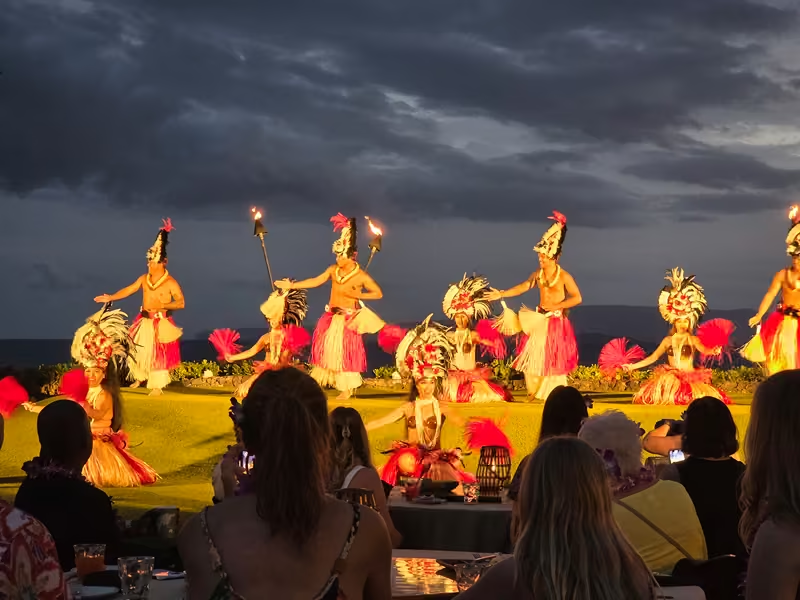
Dinner and cultural performance in one evening
Lūʻau
High cost and a fixed 2 to 3 hour evening can conflict with early bedtimes. Compare start times, seating, menus, sound levels, and fire-performance formats.
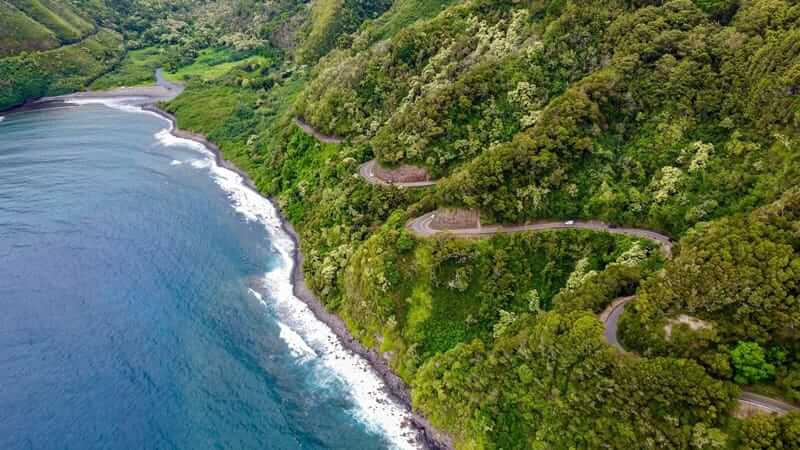
Full-day scenic road trip
Road to Hāna
It’s a full day on winding roads. Motion sickness, restroom gaps, weather, closures, and legal parking all need planning.
Short scenic nature stop
ʻĪao Valley State Monument
Nonresidents need advance reservations when the park is open. Add the round-trip drive, parking, and arrival time to the 30 to 60 minutes onsite.
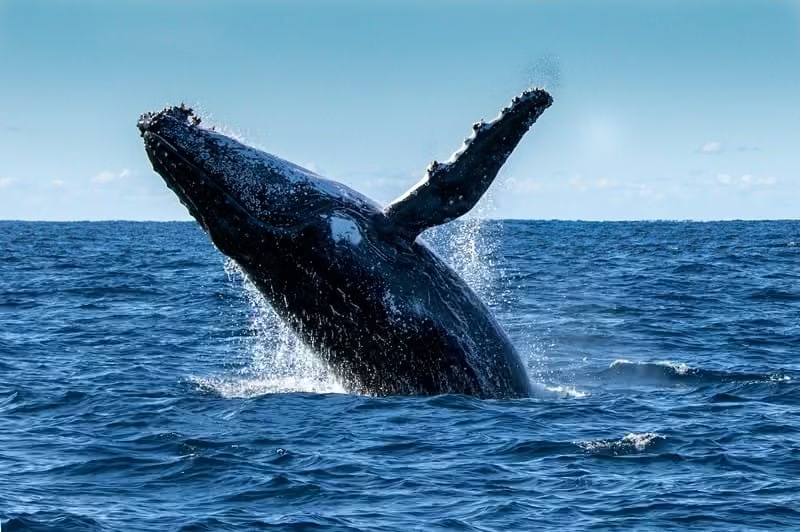
Seasonal wildlife outing for boat-comfortable children
Whale watching
Moderate to high cost, boat motion, and 2 to 4 hours plus harbor logistics. Sightings and specific behaviors aren’t guaranteed.
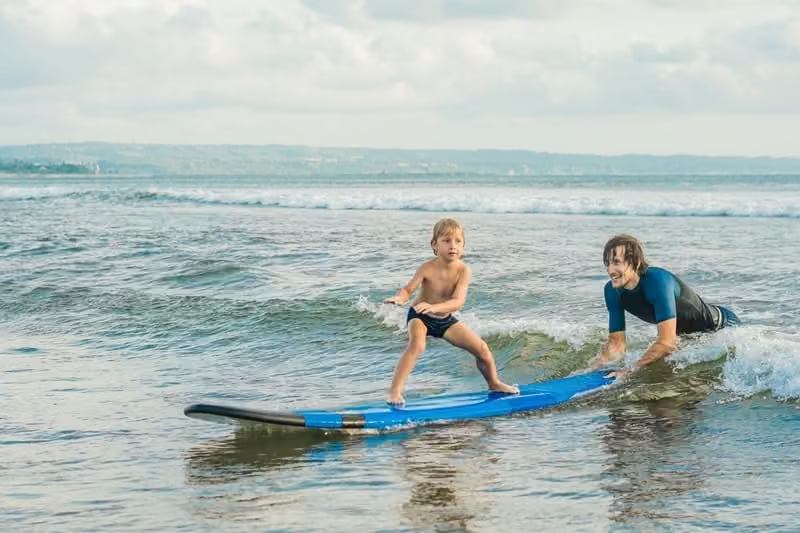
Beginner ocean skills with instruction
Surfing lesson
Minimum ages and swimming rules vary, and surf can change the lesson. Add gear fitting, parking, meeting-point access, and shade or restroom planning.
Low-cost break between larger activities
Maui shave ice
It’s a brief treat stop, not a standalone outing. Parking, queues, seating, shade, and restrooms vary by shop.
Short, scheduled activity for younger children
Maui Butterfly Farm
Fixed tour times reduce nap flexibility. Confirm stroller access, restrooms, shade, heat management, and the weather policy.
Flexible sand and shore time with nearby services
Kāʻanapali Beach
The full shoreline isn’t lifeguarded. Parking, shade, restrooms, shorebreak, currents, and water quality vary by access point and day.
Structured adventure for children comfortable with heights
Ziplining
High cost and strict age, height, and weight rules can split the family. Add travel, check-in, gear fitting, and possible weather delays.
Use this quick comparison to narrow the list, then review the full activity sections below for time, cost, booking needs, and parent logistics.
How We Chose These Activities
This list balances family interest, time, cost, driving, weather backup options, and the physical demands of each activity. Age ranges are editorial planning guidance, not operator policy. Always confirm the provider’s current minimum age, height, weight, swimming, and mobility rules.
Cost levels are relative planning categories, not live prices. Low covers free or low-cost outings, Moderate covers standard paid activities, and High identifies activities that are likely to be one of the trip’s larger purchases. Some activities fall between two levels. Confirm current prices, taxes, parking, rentals, and fees before booking.
12 Best Things To Do In Maui With Kids
1) Snorkel At Molokini Crater
Best fit: Children who meet the tour’s water-comfort guidance, follow crew instructions, and can reboard the vessel. Age alone doesn’t determine readiness.
Time to allow: The morning tour lasts about 5 hours. Allow at least 6 hours from harbor arrival through the noon return, plus travel from your lodging.
Cost: High
Book ahead: Yes.
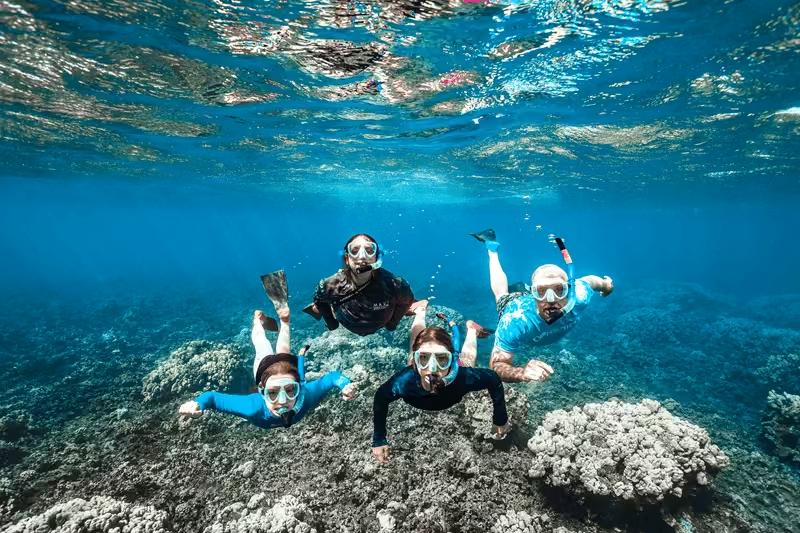
Why it’s worth doing: The morning trip combines a boat ride and two planned snorkel stops when conditions allow. Gear, breakfast, lunch, shaded cabin seating, and two onboard restrooms are included.
Know before you go: The Molokini Crater Snorkeling Tour checks in at 6:30 a.m., departs at 7:00 a.m., and returns around noon. A shorter Afternoon Snorkeling Tour is also available. Destinations depend on ocean and operating conditions. Flotation provides extra support but doesn’t replace comfort in deep water.
Parent tip: Arrive 20 to 30 minutes before check-in for harbor parking. Bring a rash guard, towel, water, and any motion-sickness plan recommended for your child. Don’t pressure a child to enter the water. If bringing a stroller to the harbor, confirm storage before arrival because it won’t be useful onboard.
Pair it with: Pool time, rest, or shave ice. Avoid scheduling another timed major activity that afternoon.
2) Visit The Maui Ocean Center
Best fit: All ages, especially ages 2 to 12.
Time to allow: Allow 2 to 3 hours onsite, plus travel, parking, and stroller unloading time.
Cost: Moderate
Book ahead: Recommended during peak travel weeks.
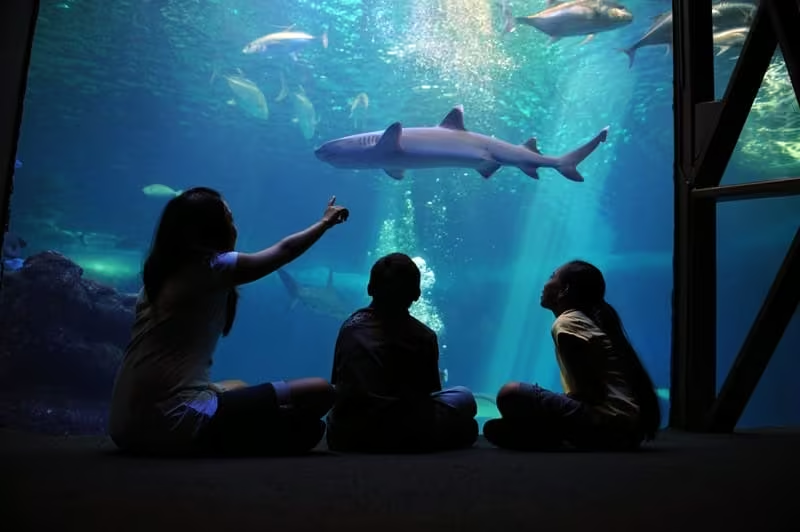
Why it’s worth doing: The aquarium provides close views of sharks, rays, turtles, and other marine life without requiring an ocean entry. Its indoor exhibits also make it a practical option during heat, wind, or rain.
Know before you go: The Maui Ocean Center is in Māʻalaea. Check current hours, admission, parking, and exhibit information before visiting.
Parent tip: The visitor information describes stroller-friendly paths, but stroller rentals aren’t available, so bring your own if needed. Restrooms and food are available. Families with very young children or sound-sensitive children should review the 3D Sphere experience before entering.
Pair it with: Lunch in Māʻalaea, shave ice, or unstructured downtime.
3) Explore Haleakalā National Park
Best fit: Sunrise often suits ages 5 and older. Daytime viewpoints and short walks may work better for younger children.
Time to allow: Allow 2 to 5 hours in the park, plus the full round-trip drive from your lodging and time for parking.
Cost: Low to Moderate
Book ahead: Yes for summit entry between 3:00 and 7:00 a.m. Daytime entry doesn’t require the separate sunrise reservation.
Why it’s worth doing: Roadside overlooks and short walks let families experience a high-elevation volcanic landscape without committing to a long hike. A daytime visit also avoids the pre-dawn schedule.
Know before you go: The summit reaches 10,023 feet. Weather can change quickly, and the drive is winding, steep, and unlit before dawn. There’s no food or gas for sale in the park. Restrooms and drinking water are available at Summit District visitor centers. Review current park conditions and sunrise requirements before leaving.
Parent tip: Bring warm and waterproof layers, water, snacks, and sun protection. Watch for headache, nausea, dizziness, or shortness of breath at elevation. The National Park Service advises consulting a doctor before a high-elevation visit for a child with asthma or a heart or respiratory condition. For sunrise, allow extra time for limited summit parking and the drive from the entrance gate.
Pair it with: An Upcountry meal followed by a quiet afternoon. Use a resort day or the Maui Ocean Center as the poor-weather backup.
Best fit: All ages, provided children can manage a scheduled evening meal and performance.
Time to allow: Allow 2 to 3 hours for the event, plus check-in, parking, and the return trip.
Cost: High
Book ahead: Yes, especially during school breaks.
Why it’s worth doing: A lūʻau combines dinner and a staged performance in one reserved evening outing.
Know before you go: Compare start and end times, seating, menu, current child pricing, sound level, weather policy, and the specific performance format. One option to compare is the Te Au Moana Luau in Wailea.
Parent tip: If you’re traveling with a toddler, keep the morning short and protect nap or rest time before the event. Bring a light layer. Ask the selected venue about stroller storage, restroom access, rain cover, and seating that allows an easy exit with a tired child.
Pair it with: Pool time or a brief beach visit earlier in the day.
Te Au Moana Luau at Wailea Beach Resort
5) Drive The Scenic Road To Hāna
Best fit: Often ages 5 and older. Suitability depends more on tolerance for a long, winding drive than on age alone.
Time to allow: Plan a full day door to door. Actual timing depends on your lodging location, traffic, closures, and selected stops.
Cost: Low to Moderate
Book ahead: The drive itself doesn’t require a reservation, but nonresidents need advance Waiʻānapanapa reservations when the park is open.
Why it’s worth doing: The Road to Hāna brings together jungle scenery, waterfalls, beaches, and food stops along one route.
Know before you go: Check road closures and weather before departure. Choose only a few legal stops and parking areas. Facilities, shade, and cell service vary along the route. Use a Road to Hāna stops guide and map to plan the day in advance.
Parent tip: Pre-map restrooms and pack snacks, water, and dry clothes. Bring any motion-sickness plan recommended for your child. Verify stroller suitability separately for each planned stop, and leave time for unexpected bathroom and parking delays.
Pair it with: Nothing else major. Plan a simple dinner and an early night. Use the Maui Ocean Center or a resort day as the heavy-rain or road-closure backup.
6) Visit ʻĪao Valley State Monument
Best fit: All ages for short walks, subject to mobility and access needs.
Time to allow: Allow 30 to 60 minutes in the park. From nearby Central Maui, roughly 1 to 2 hours may cover parking and transportation as well, but if you’re staying in South or West Maui, add your actual round-trip driving time.
Cost: Low
Book ahead: Yes for out-of-state visitors. Entry and parking reservations are required.
Why it’s worth doing: A paved 0.6-mile walk provides a scenic viewpoint and botanical-garden stop without requiring a long hike.
Know before you go: The official reservation FAQ says a typical visit lasts 30 to 60 minutes. Arrive within the first 30 minutes of the reservation period. Check current weather, trail conditions, hours, and entry rules through the official reservation site.
Parent tip: Wear shoes with grip because surfaces can be wet and slippery, and add a parking buffer. The route is paved, but verify current step-free and stroller access before relying on a stroller for every viewpoint.
Pair it with: The Maui Ocean Center or shave ice, depending on your child’s energy and your lodging location.
7) Go Whale Watching
Best fit: Often ages 4 and older, depending on boat comfort and the operator’s current rules.
Time to allow: Allow 2 to 4 hours for the trip, plus harbor travel, parking, check-in, and the return to your lodging.
Cost: Moderate to High
Book ahead: Yes, in season.
Why it’s worth doing: A seasonal boat trip provides an opportunity to observe humpback whales from the water, although sightings and specific whale behaviors aren’t guaranteed.
Know before you go: Maui’s general whale season runs from November through May, with peak abundance usually from January through March. Use our Maui whale season guide for planning, then confirm the operator’s current age rules, route, weather policy, and check-in requirements.
Parent tip: Bring layers and any motion-sickness support appropriate for your child. Ask the operator about onboard restrooms, shade, seating, minimum ages, and the harbor parking buffer before booking.
Pair it with: A relaxed meal, shore time, or hotel rest. Avoid another major timed activity.
8) Take Surfing Lessons
Best fit: Often ages 5 and older, subject to the school’s current minimum age, swimming, height, and supervision rules.
Time to allow: Allow 1.5 to 2 hours for the lesson, plus arrival, gear fitting, parking, and access to the meeting point.
Cost: Moderate
Book ahead: Yes.
Why it’s worth doing: A child-focused lesson introduces ocean awareness and basic board skills in a structured setting.
Know before you go: Confirm the exact meeting point, current surf, the instructor’s experience with children, and how weather or surf conditions affect cancellation or relocation.
Parent tip: Bring a rash guard, water, and mineral sunscreen made with zinc oxide or titanium dioxide. Ask about instructor ratios, nearby restrooms and shade, and stroller access. If you’re bringing nonparticipating siblings, confirm where they can wait.
Pair it with: Shave ice or a relaxed lunch.
9) Enjoy Maui’s Shave Ice
Best fit: All ages.
Time to allow: Allow 20 to 30 minutes, plus any queue and parking time.
Cost: Low
Book ahead: No.
Why it’s worth doing: A shave-ice stop is a flexible, low-effort treat that fits between larger activities or after beach time.
Know before you go: Shop hours, parking, menus, seating, and portion sizes vary by location.
Parent tip: If you’re unsure about the portion size, start with one to share. Check for seating, shade, and restroom access if you’re using the stop as a break from the heat.
Pair it with: A beach visit, surfing lesson, ʻĪao Valley, or another activity nearby.
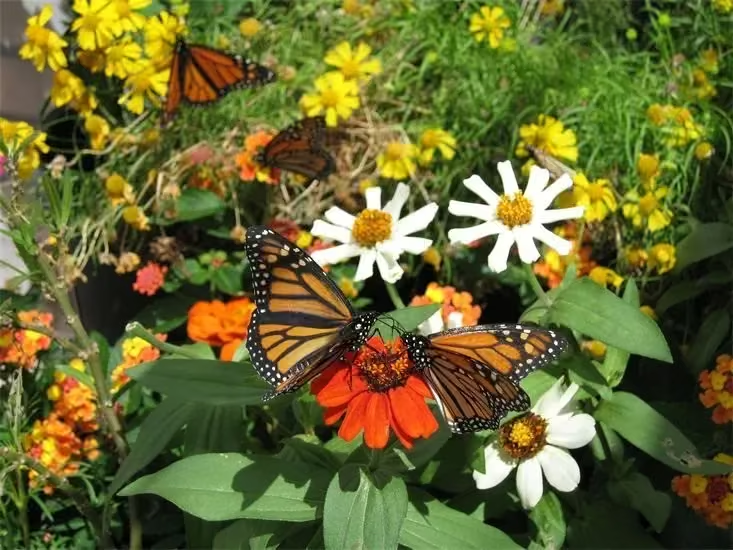
10) Explore The Maui Butterfly Farm
Best fit: All ages, especially ages 2 to 10.
Time to allow: Allow 45 to 60 minutes for the tour, plus parking and scheduled check-in.
Cost: Moderate
Book ahead: Yes.
Why it’s worth doing: The guided visit provides close butterfly viewing without using half the day.
Know before you go: Tours run on a fixed schedule. Confirm the current Olowalu location, times, and operating policies with the Maui Butterfly Farm.
Parent tip: If you’re bringing a stroller, confirm access before booking. Also ask about restrooms, shade, heat management, and the rain or cancellation policy.
Pair it with: A West Maui lunch, shave ice, or another short nearby stop.
11) Spend Time At Kāʻanapali Beach
Best fit: Shore time can suit all ages. Swimming or snorkeling depends on current surf, shorebreak, currents, water quality, and each child’s ability.
Time to allow: Allow a few hours to a full day, plus a parking buffer and the walk from your chosen access point.
Cost: Low to Moderate
Book ahead: No, but plan parking and beach access in advance.
Why it’s worth doing: The sandy shoreline and nearby resort-area services let families combine sand play, walking, food, and a flexible-length visit.
Know before you go: The full Kāʻanapali shoreline isn’t lifeguarded. Hawaii Ocean Safety’s official list identifies specific guarded locations, including nearby Hanakaʻōʻō Park. Check the current lifeguard schedule, surf, currents, shorebreak, and water quality. Use the Kāʻanapali Beach guide for access planning and the Maui brown water advisory guide after heavy rain.
Parent tip: For younger children, prioritize sand play and shore time. If lifeguard coverage matters, choose a specifically listed guarded location, speak with the lifeguard before entering, and maintain continuous adult supervision. Shade and restrooms vary by access point, so identify them before settling in. Skip the water if it’s rough, windy, brown, or murky.
Pair it with: Shave ice or an early meal. Use the Maui Ocean Center as the rough-water or poor-weather backup.
12) Go Ziplining
Best fit: Typically ages 8 and older, provided the child meets the operator’s age, height, and weight rules and is comfortable with heights.
Time to allow: Allow 2 to 3 hours for the course, plus travel, check-in, equipment fitting, and any parking or shuttle time.
Cost: High
Book ahead: Yes.
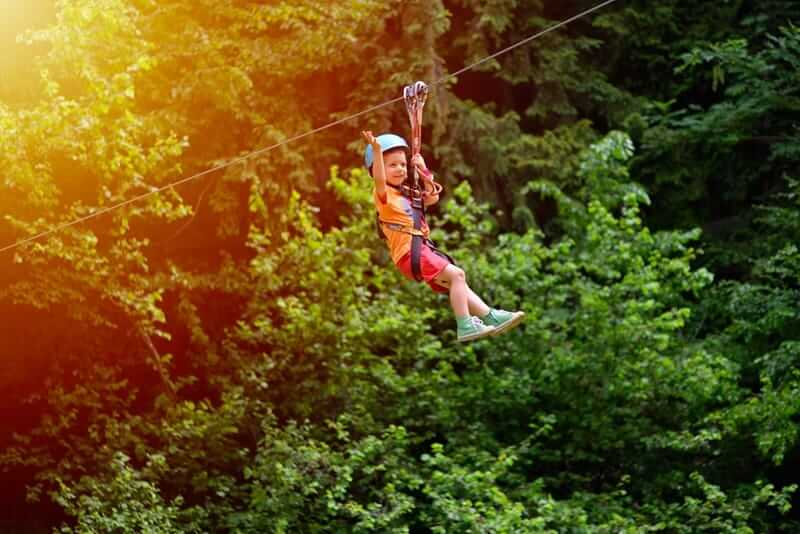
Why it’s worth doing: Ziplining offers a structured adventure and elevated views for children who actively want a height-based activity.
Know before you go: Closed-toe footwear is commonly required. Confirm current participation restrictions, the weather policy, and cancellation terms before checkout.
Parent tip: If part of the family won’t participate, ask where they can wait. Also confirm restroom access, shade, parking or shuttle logistics, and how the operator handles wind or rain.
Pair it with: A meal, pool time, or another low-effort stop.
FAQs
Yes. Maui can work well with toddlers when you plan short outings, shade, meals, naps, and flexible return times. The Maui Ocean Center, butterfly farm, shave ice, and brief scenic stops are often easier than full-day drives. Treat beach time as shore time unless current conditions and continuous adult supervision make water entry appropriate.
The Maui Ocean Center is a reliable indoor choice. A scheduled butterfly-farm tour, shopping, food stops, or a flexible resort day can also work. Heavy rain can affect roads and coastal water quality, so check closures and do not use a rainy day as a reason to enter brown or murky ocean water.
South Maui is flexible for condos, casual dining, and beaches; West Maui offers resort bases in Kāʻanapali, Nāpili, and Kapalua; Central Maui can reduce airport and islandwide driving. The best area depends on budget, planned activities, and tolerance for driving. Check the current Where to Stay in Maui guide before booking.
Yes for fixed-date or high-demand activities and several public sites. Nonresident visits to Waiʻānapanapa State Park and ʻĪao Valley State Monument require advance reservations when open. Haleakalā sunrise entry from 3:00 to 7:00 a.m. requires a separate vehicle reservation; daytime entry does not require that sunrise reservation. Tours, lūʻau seats, whale watches, and ziplining can also sell out. Confirm current status before leaving.
For independent shore snorkeling, children need swimming ability, suitable conditions, a buddy, and continuous adult supervision; flotation doesn’t replace those skills. On our tours, children should be at ease floating on their front in deep water and follow crew instructions. Contact us before booking if you’re unsure about your child’s comfort. Skip snorkeling if the water is rough, windy, brown, or murky.
Pack mineral sunscreen made with zinc oxide or titanium dioxide, hats, rash guards, reusable water bottles, snacks, dry clothes, and a light layer. Add any child-specific medication and a motion-sickness plan recommended by a healthcare professional for boats or winding roads. Maui County warns that “reef safe” labels can be misleading.
There is no single best adventure for every child. A snorkel tour may suit children who are at ease in the face-down position in deep water. Other families may prefer seasonal whale watching, Haleakalā viewpoints, or ziplining for a child who meets the operator’s age, height, and weight rules. Choose from current requirements and your child’s comfort.
Yes. Sand play, a picnic, short walks, and sunset viewing can be low-cost family options. Parking, access, or reservation fees may still apply, and swimming depends on current conditions. Check legal access, posted signs, and park or beach alerts before you go.
Final Tips For Planning A Maui Trip With Kids
Schedule fixed activities during your child’s usual best hours, then leave room for meals, naps, parking delays, and weather changes.
Don’t overbook. Start with one major activity per day unless you already know your family can comfortably handle more.
Always check ocean conditions before swimming or snorkeling.
Keep one easy day in the schedule so you’ve got room for travel fatigue, a closure, or a weather change.
Sources & Updates: Before you go, confirm current reservations, closures, and ocean safety using the official resources below.