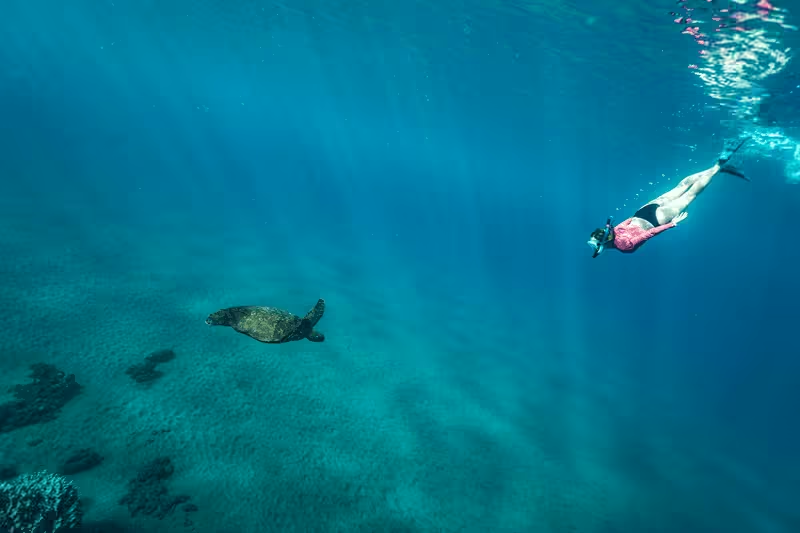
Hoʻokipa Beach Park, often typed as Hookipa Beach Park, is a famous North Shore Maui stop near Pāʻia known for surfing, windsurfing, coastal views, and Hawaiian green sea turtles resting on the beach. It’s usually better for sightseeing and wildlife viewing than beginner swimming or snorkeling because high surf, strong currents, sharp coral, and wind can create difficult conditions.
主な要点:
最適 Surf watching, windsurfing, turtle viewing, photography, picnics, and a scenic Road to Hāna stop
現在の営業時間: Maui County currently lists the park as open daily from 7:00 a.m. to 8:00 p.m.
駐車 Three parking areas provide more than 170 spaces, plus limited designated roadside spaces
Turtle Rule: Stay at least 10 feet, or 3 meters, from every sea turtle on land and in the water
シュノーケリング: Hoʻokipa isn’t a dependable beginner snorkeling beach, especially when surf, currents, or trade winds are active
Hoʻokipa Beach Park is where Maui’s North Shore decides subtlety is overrated. Waves roll across the outer reef, surfers carve across open faces, windsurfers launch into the air, and Hawaiian green sea turtles may rest quietly on the sand while everyone else watches the ocean put on a show.
The park’s name is often typed as Hookipa Beach Park, but the proper Hawaiian spelling is Hoʻokipa. The word Hoʻokipa is associated with hospitality, which feels appropriate for a place that has welcomed generations of surfers, families, residents, and visitors.
Located just east of Pāʻia at Mile Marker 9 on Hāna Highway, Hoʻokipa is an easy scenic stop before the Road to Hāna. It has multiple parking areas, an elevated lookout, picnic pavilions, restrooms, showers, drinking water, and lifeguards during posted hours.
It also has serious North Shore ocean conditions. High surf, strong currents, sharp coral, wind, and rapidly changing waves mean this isn’t automatically a swimming or snorkeling beach just because the water looks blue.
This guide explains Hoʻokipa Beach Park parking, hours, facilities, turtle-viewing rules, surf seasons, swimming and snorkeling safety, and how to include the park in a Pāʻia or Road to Hāna day.
Hoʻokipa Beach Park Quick Facts
Here’s a simple look at Hoʻokipa Beach Park parking, hours, facilities, turtles, surf, swimming, snorkeling, and the safety details visitors should know before stopping on Maui’s North Shore.
トピック
詳細
Proper name
Hoʻokipa Beach Park
Common search spelling
Hookipa Beach Park or Ho'okipa Beach Park
名前の意味
Hoʻokipa is associated with hospitality
位置
Mile Marker 9 on Hāna Highway, east of Pāʻia on Maui’s North Shore
Current park hours
Maui County currently lists the park as open daily from 7:00 a.m. to 8:00 p.m.
最高
Surf watching, windsurfing, kiteboarding, turtle viewing, photography, picnics, and Road to Hāna sightseeing
駐車場
Three parking areas with more than 170 total spaces, plus more than 30 designated street spaces
Parking areas
Upper lookout parking, an entryway lot, and a large gravel parking area
設備
Three picnic pavilions, permanent tables, barbecue grills, public restrooms, outdoor showers, taps, and drinking fountains
アクセシビリティ
Maui County lists the restroom pavilion and main parking area as ADA accessible
ライフガード
Hawaiʻi Ocean Safety currently lists daily coverage from 8:00 a.m. to 4:45 p.m. Confirm the posted tower schedule when you arrive
Main hazards
High surf, strong currents, sharp coral, wind, shallow reef, changing waves, and active surf-sport areas
Surfing
A world-famous surfing location best suited to surfers who understand reef breaks, currents, local conditions, and crowded lineups
Windsurfing
One of Maui’s best-known windsurfing venues, with excellent viewing from the upper lookout when wind and waves are active
Sea turtles
Hawaiian green sea turtles may rest on the beach, but wildlife sightings and timing are never guaranteed
カメの距離
Stay at least 10 feet, or 3 meters, away on land and in the water. Never touch, feed, chase, surround, or block a turtle
水泳
Only when current conditions are appropriate and the lifeguard confirms where swimming is safe for your ability
シュノーケリング
Not a dependable beginner snorkeling location because waves, currents, reef, wind, and active ocean sports can complicate entry and exit
Summer conditions
North Shore surf is often smaller from May through October, but trade-wind waves and rough conditions can still occur
Winter conditions
November through April can bring very large and dangerous North Shore surf
家族向けのヒント
Use Hoʻokipa as a surf, turtle, picnic, and sightseeing stop rather than assuming the shoreline is safe for children to swim
Road to Hāna tip
Allow a short stop before continuing east, or give Hoʻokipa and Pāʻia their own North Shore half-day
注意 Parking access, facilities, lifeguard staffing, turtle locations, surf, wind, water quality, and park availability can change. Read posted notices and speak with the lifeguard before entering the ocean.
What Is Hoʻokipa Beach Park?
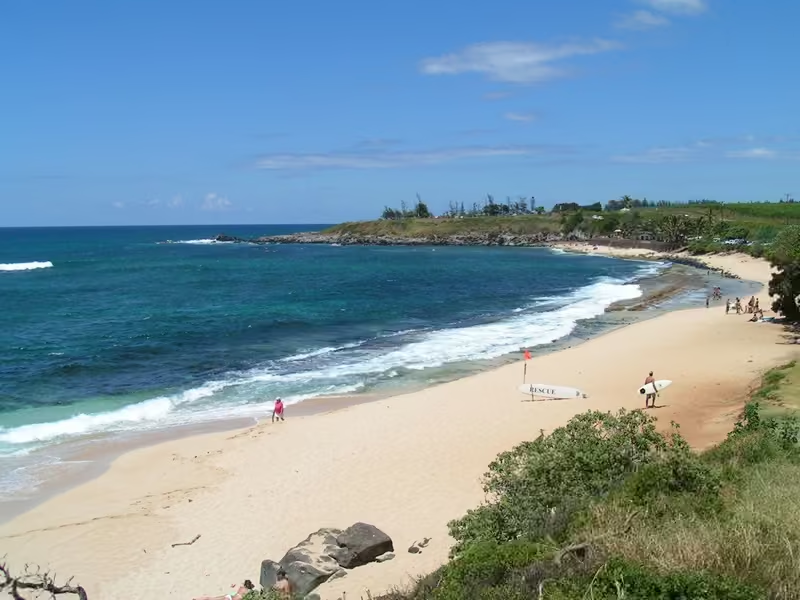
Hoʻokipa Beach Park is a Maui County beach park on the island’s North Shore. It’s internationally known for surfing and windsurfing, but it’s also popular with visitors who simply want to watch the waves, photograph the coast, enjoy a picnic, or look for Hawaiian green sea turtles resting on shore.
The park combines several different experiences in one location:
An elevated coastal lookout
A sandy and rocky beach
World-famous surf breaks
Windsurfing and kiteboarding areas
Sea turtle resting habitat
Picnic pavilions and open coastal space
Restrooms, showers, and drinking water
You don’t need to enter the ocean to enjoy Hoʻokipa. For many visitors, the best experience is watching from the lookout, walking carefully along the dry beach, and allowing the surfers, windsurfers, and turtles to remain the main characters.
Where Is Hoʻokipa Beach Park?
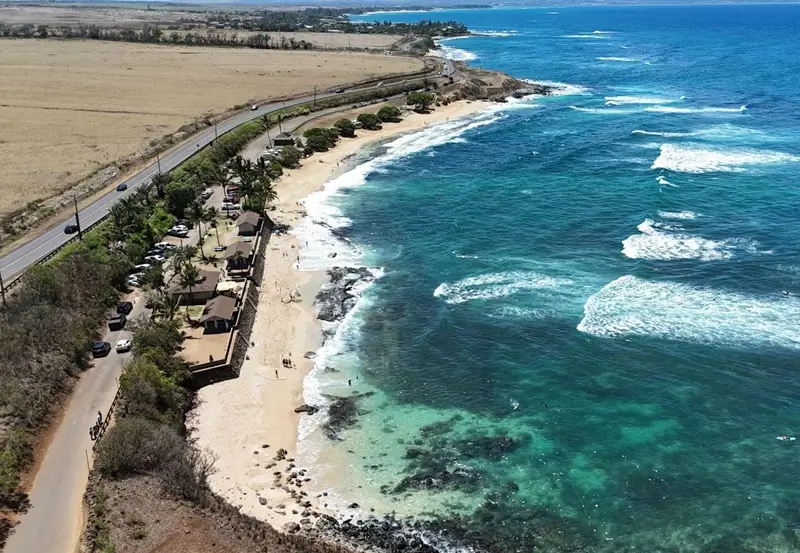
Hoʻokipa Beach Park is located at Mile Marker 9 on Hāna Highway, also called Route 36, east of Pāʻia on Maui’s North Shore.
It’s close enough to Pāʻia for an easy town-and-beach combination. You can have breakfast or lunch in town, browse local shops, then drive east to Hoʻokipa for surf watching and coastal views.
If you’re beginning a Road to Hāna trip, Hoʻokipa is one of the first major scenic beach stops after Pāʻia. However, stopping here can easily take longer than expected once the waves, turtles, and cameras become involved.
当社の Pāʻia Maui Guide to plan food, coffee, shops, and supplies. For the complete drive, use our ハナへの道ガイド.
Hoʻokipa Beach Park Parking
Maui County currently lists three main parking areas at Hoʻokipa, with more than 170 spaces combined. There are also more than 30 designated street spaces.
Lookout Point Parking
The upper lookout has paved and unpaved parking spaces overlooking the coast. This is usually the easiest choice when your main goals are wave watching, photography, or a short scenic stop.
The lookout provides a broad view of the beach, outer reef, surf breaks, and windsurfing activity. It’s also useful when the shoreline looks too rough for a safe beach walk.
Entryway Parking Lot
The marked lot near the park entrance provides convenient access to the main park area, picnic pavilions, restrooms, and beach.
Gravel Parking Lot
The larger gravel lot provides additional spaces but may feel less organized because many spaces aren’t individually marked. Drive slowly, leave room for other vehicles, and avoid creating your own parking row.
Parking Tips
Use designated parking spaces and established lots.
Don’t stop in the traffic lane for photos or passenger drop-off.
Don’t block gates, driveways, emergency access, or other vehicles.
Keep valuables out of sight and take important items with you.
Expect parking to become busier during surf events and active wave conditions.
Use the lookout lot for a quick visit rather than driving through every parking area.
If the park is closed for high surf, an event, or an emergency, don’t park outside the closure and walk in.
Maui County currently lists park hours from 7:00 a.m. to 8:00 p.m. daily. Arrive with enough time to enjoy the park and leave before closing.
Hoʻokipa has more visitor facilities than many undeveloped stops along Maui's shoreline.
Maui County currently lists:
Three Picnic Pavilions: Each has permanent tables and barbecue grills.
Public Restrooms: A restroom pavilion is located near the picnic area.
屋外シャワー: Useful for rinsing sand and saltwater.
Fresh Water: Taps and drinking fountains are available.
ADA Access: The restroom pavilion and main parking area are listed as accessible.
ライフガード: Daily coverage is currently listed by Hawaiʻi Ocean Safety from 8:00 a.m. to 4:45 p.m.
Facility conditions can change because of weather, maintenance, competitions, and emergency closures. Read posted notices when you arrive rather than assuming every pavilion, shower, or parking area is available.
Why Is Hoʻokipa Famous For Surfing?
Hoʻokipa has played an important role in Maui’s surfing history and is widely recognized as one of the island’s premier surf venues. Its offshore reefs can receive swell during different parts of the year, creating several wave areas used by experienced surfers.
The park’s elevated coastline also acts like a natural surf stadium. Visitors can watch from above without entering the water or crowding the shoreline.
Surfing conditions at Hoʻokipa can include:
Powerful breaking waves
Strong currents
Shallow reef
Sharp coral and rock
Changing wind
Multiple surfers sharing active breaks
This isn’t an appropriate place to learn surfing simply because skilled surfers make it look easy. Their ability, local knowledge, equipment, and understanding of the reef may be very different from yours.
Visitors who want to try surfing should book an appropriate beginner lesson at a location selected for beginner conditions rather than entering an active Hoʻokipa break without guidance.
Windsurfing And Kiteboarding At Hoʻokipa
Hoʻokipa is also famous for windsurfing. When the wind and waves line up, experienced windsurfers may launch from the beach, accelerate across the water, and perform jumps that make normal beach activities look slightly underachieving.
Kiteboarders may also use the area when conditions and local rules allow.
These sports require skill, awareness, and room. Beach visitors should:
Keep launch and landing areas clear.
Watch for boards, sails, lines, and equipment moving in the wind.
Don’t stand directly behind someone preparing to launch.
Keep children away from active equipment areas.
Follow lifeguard instructions and posted activity zones.
The lookout is often the safest and easiest place to watch windsurfing without interfering with athletes or entering the shoreline impact zone.
Can You See Sea Turtles At Hoʻokipa?
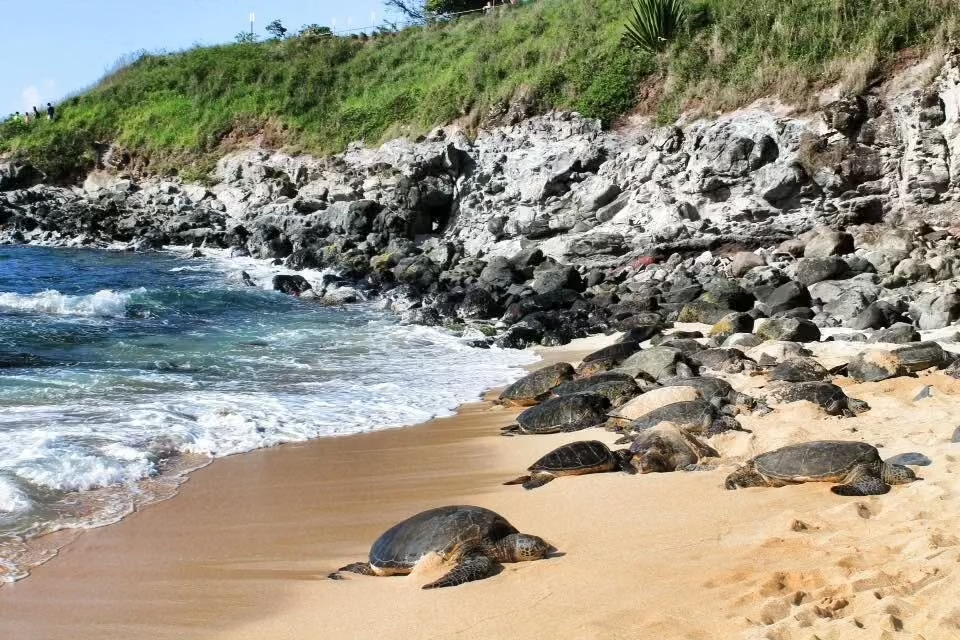
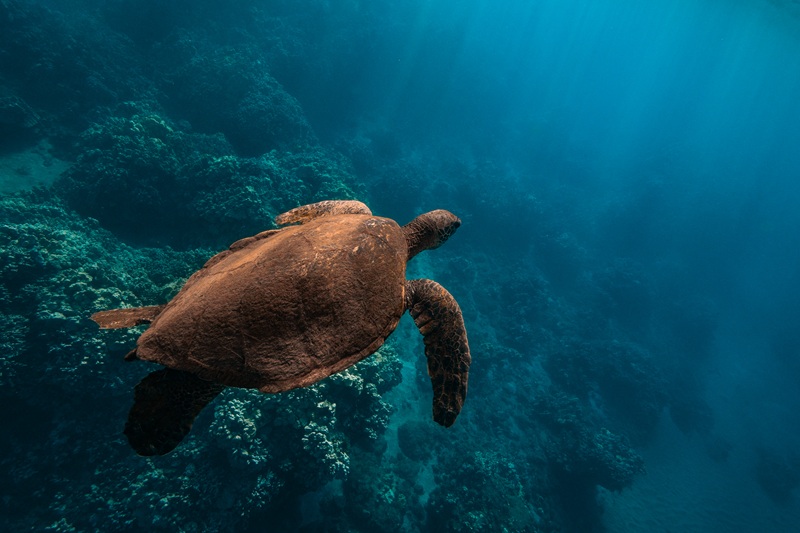
Yes. Hawaiian green sea turtles, called ウミガメ, are often associated with Hoʻokipa Beach Park and may come ashore to rest.
Resting on land is known as basking. It’s normal green sea turtle behavior in Hawaiʻi. A turtle may remain almost completely still, breathe slowly, close its eyes, or become partly covered in sand.
A resting turtle doesn’t need visitors to wake it, pour water on it, push it toward the ocean, or check whether it’s alive. It needs space.
How Close Can You Get To The Turtles?
NOAA recommends remaining at least 10 feet, or 3 meters, from sea turtles on land and in the water.
Don’t touch or feed a turtle.
Don’t stand between a turtle and the ocean.
Don’t surround a resting animal for photos.
Don’t chase a turtle that begins moving.
Don’t use flash directly in its face.
Don’t move barriers, ropes, signs, or wildlife markers.
Use your camera’s zoom instead of stepping closer.
Turtle sightings aren’t guaranteed, and there isn’t a dependable time when every visitor will see one. Enjoy the beach even when the turtles decide to spend the day somewhere else.
Learn more about honu behavior and respectful viewing in our ハワイのグリーンウミガメガイド.
What If A Turtle Looks Injured?
Don’t touch, move, or attempt to treat an injured, entangled, stranded, or dead sea turtle. Call the NOAA Marine Wildlife Hotline at 888-256-9840 and follow the responder’s instructions.
From a respectful distance, note the turtle’s location, visible injuries, nearby landmarks, and whether fishing line or other material is involved.
Is Hoʻokipa Beach Park Safe For Swimming?
Swimming is possible only when current conditions are appropriate for your ability, but Hoʻokipa isn’t a consistently easy swimming beach.
The park is exposed to North Shore surf, wind, currents, reef, and rapidly changing wave conditions. Hawaiʻi’s official beach-safety information identifies high surf, strong currents, and sharp coral as key hazards at Hoʻokipa.
Before entering:
Read every posted warning sign.
Look for current hazard flags.
Watch the water through several wave sets.
Ask the lifeguard where swimming is permitted.
Keep away from active surf and windsurfing zones.
Stay out when high surf, strong current, or no-swimming warnings are posted.
Don’t assume a shallow-looking area is safe. Sharp coral, sudden waves, uneven reef, and current can still create problems close to shore.
If you’re visiting mainly for scenery, turtles, or surf watching, there’s no reason to turn the stop into a swimming test. A dry visit is still a complete Hoʻokipa experience.
Is Hoʻokipa Beach Park Good For Snorkeling?
Hoʻokipa isn’t one of Maui’s most dependable snorkeling beaches, especially for beginners.
Conditions that create great surfing and windsurfing can create poor snorkeling. Waves, current, surge, wind chop, shallow reef, and reduced visibility may make entry, snorkeling, and exit difficult.
Skip snorkeling when:
Surf is breaking across the reef.
Strong-current or high-surf warnings are posted.
Windsurfers, surfers, or kiteboarders are actively using the area.
The water is murky, brown, or filled with debris.
You can’t identify a safe entry and exit.
You’re unfamiliar with shallow reef and surge.
ライフガードは海に入らないよう勧めています。.
Even on a calm-looking day, ask the lifeguard before entering. A protected-looking patch near shore may still have sharp reef, current, or incoming wave sets that aren’t obvious from the parking lot.
If snorkeling is your main goal, compare calmer options in our マウイ島でシュノーケリングに最適な場所 guide. You can also review our マウイ島シュノーケリングコンディションガイド before choosing any shoreline location.
When Is The Best Time To Visit Hoʻokipa?
The best time depends on what you want to see and what the ocean is doing.
Visit In The Morning For Easier General Planning
Morning can be a practical time for cooler temperatures, a Pāʻia breakfast connection, and an early start on the Road to Hāna. Parking may also be easier before midday crowds and active surf-viewing traffic build.
Morning doesn’t automatically mean calm water at Hoʻokipa. North Shore surf can remain powerful at any hour, especially during an active swell.
Visit During Active Surf For Wave Watching
If a swell produces impressive waves, the upper lookout offers excellent viewing. Stay inside open public areas and away from cliffs, wet rocks, breaking waves, and closed shoreline sections.
A good surf-watching day may be a bad swimming day. Treat those as two separate activities.
Summer Vs Winter Conditions
Hawaiʻi Ocean Safety describes May through October as the general summer surf season and November through April as the winter surf season.
North Shore beaches are often smaller during summer, although trade-wind waves and occasional swells can still create rough conditions. Winter can bring extremely large and dangerous surf on the North Shore. During high-surf conditions, inexperienced surfers and swimmers should stay out.
Seasonal patterns are only a starting point. Always check the day’s surf forecast, warning signs, and lifeguard guidance.
Is Hoʻokipa Good For Families?
Hoʻokipa can be a fun family sightseeing stop when adults treat it as a surf, scenery, picnic, and turtle-viewing destination rather than assuming the water is child-friendly.
Families may enjoy:
Watching surfers and windsurfers from the lookout
Looking for turtles from a respectful distance
Eating at the picnic pavilions
Taking coastal photographs
Using the restrooms and showers before continuing east
Combining the stop with Pāʻia or the Road to Hāna
Keep children close near the beach and parking areas. Don’t allow them to approach turtles, run through windsurfing equipment, climb onto wet rocks, or play unattended near breaking waves.
If your family wants a more traditional beach day with open sand and fewer active ocean-sport zones, consider a different beach after checking current conditions.
Best Things To Do At Hoʻokipa Beach Park
Watch The Surf From The Lookout
The upper lookout provides one of the easiest ways to appreciate Hoʻokipa. You can see the reef, coastline, surfers, windsurfers, and changing wave patterns without crossing the sand or approaching the water.
Look For Honu Responsibly
Scan the beach and rocky shoreline for resting turtles, but remain at least 10 feet away. Dark shells can blend surprisingly well with rocks, wet sand, and shadows.
Have A Picnic
The park has three pavilions with permanent tables and barbecue grills. Bring food from Pāʻia, secure lightweight wrappers against the wind, and clean the area completely before leaving.
Photograph North Shore Action
Hoʻokipa offers opportunities for wide coastal photos, surfing action, windsurfing, waves, turtles, and sunset light.
Use a zoom or telephoto setting for wildlife and surfers. Don’t move into active equipment zones or unstable shoreline areas for a closer angle.
Use It As A Road To Hāna Preview
Hoʻokipa provides an early look at the wind, waves, vegetation, and dramatic coastline that make Maui’s North Shore so memorable.
Keep the stop short if you have timed reservations or several destinations ahead. A “quick look” can easily become an hour when the waves are active.
Hoʻokipa Beach Park And The Road To Hāna
Hoʻokipa works well near the beginning or end of a Road to Hāna itinerary.
Stop Before Driving East When
You started early and have extra time.
You want a quick North Shore lookout.
Your group wants restrooms before continuing.
You aren’t trying to fit every waterfall and beach into one day.
Save It For Another Day When
You started the Road to Hāna late.
You have a timed Waiʻānapanapa reservation.
Parking is full, or the park is hosting an event.
Your group wants more than a short scenic stop.
For a relaxed North Shore half-day, combine Pāʻia, Hoʻokipa, and one meal rather than adding the entire Road to Hāna.
What To Bring To Hoʻokipa Beach Park
水: Drinking fountains are listed, but bringing your own reusable bottle is still smart.
Wind Layer: A light layer can help when trade winds are active.
Camera With Zoom: Useful for surfers, windsurfers, and turtles without approaching.
Secure Bag: Keep lightweight items from blowing across the park.
Closed or Secure Footwear: Helpful near gravel, rocks, and hot surfaces.
Food or Snacks: The picnic pavilions make this an easy meal stop.
乾いた服: Useful if anyone enters the water during approved calm conditions.
バックアッププラン: Choose another stop if the park closes, parking is full, or surf becomes dangerous.
Hoʻokipa Beach Rules And Respectful Visiting
Current beach-safety information lists no alcohol, camping, driving on the sand, fire pits, or smoking at Hoʻokipa. Follow all posted County rules, as restrictions may change due to weather, maintenance, competitions, or emergencies.
Keep at least 10 feet from sea turtles.
Don’t touch, feed, chase, or surround wildlife.
Keep surf and windsurfing launch areas clear.
Don’t stand on or damage coral.
Stay out of closed or dangerous shoreline zones.
Don’t climb onto wet rocks for photographs.
Use the designated parking areas.
Clean picnic tables and pack out your trash.
ライフガードの指示にすぐに従ってください。.
Leave the park before the posted closing time.
Before visiting, review our Maui Beach Warning Signs Guide so your group understands high-surf, strong-current, sharp-coral, and no-swimming warnings.
Nearby Places To Visit
Hoʻokipa can be combined with several nearby stops without creating an exhausting itinerary.
Pāʻia: Food, coffee, shops, groceries, and North Shore character
H.A. Baldwin Beach Park: A wider sandy beach and developed park area closer to Pāʻia
Twin Falls: A managed waterfall and farm stop farther east on Hāna Highway
Road To Hāna: Waterfalls, gardens, coastal scenery, and East Maui destinations
Hoʻokipa Beach Park is at Mile Marker 9 on Hāna Highway, east of Pāʻia on Maui’s North Shore. It’s an easy scenic stop near the beginning of the Road to Hāna.
Maui County currently lists Hoʻokipa Beach Park as open daily from 7:00 a.m. to 8:00 p.m. Hours and access may change during high surf, emergencies, maintenance, or special events.
Yes. Maui County lists three parking areas with more than 170 combined spaces, plus more than 30 designated street spaces. The three main areas include the upper lookout, the entryway lot, and a larger gravel lot.
Hawaiian green sea turtles may come ashore to rest at Hoʻokipa, but sightings aren’t guaranteed. If you see one, stay at least 10 feet away and never touch, feed, chase, surround, or block it.
There isn’t a guaranteed turtle-viewing time. Honu are wild animals and may rest on the beach at different times or not appear at all. Visit for the overall park experience and treat every turtle sighting as a bonus.
Swimming may be possible during appropriate conditions, but high surf, strong currents, sharp coral, shallow reef, and active surf zones can make the beach dangerous. Read the signs and ask the lifeguard where swimming is permitted before entering.
Hoʻokipa isn’t a dependable beginner snorkeling beach. Waves, wind, currents, shallow reef, and surf activity can make entry and exit difficult. Choose a calmer snorkeling location or a guided boat tour when conditions are rough.
Yes. Hawaiʻi Ocean Safety currently lists lifeguard coverage seven days a week from 8:00 a.m. to 4:45 p.m. Confirm that the tower is staffed and check the posted schedule when you arrive.
Yes. Maui County lists public restrooms, outdoor showers, fresh-water taps, drinking fountains, picnic pavilions, permanent tables, and barbecue grills.
Yes. Hoʻokipa is one of the first major scenic beach stops east of Pāʻia. Keep the visit short if you have timed reservations or a full Road to Hāna itinerary, or combine Hoʻokipa and Pāʻia for a relaxed North Shore half-day.
Final Thoughts On Hoʻokipa Beach Park
Hoʻokipa Beach Park is one of Maui’s best places to experience North Shore energy without needing to paddle into it.
Go for the surf, windsurfing, lookout, picnic areas, turtles, and coastal scenery. Use the designated parking area, read every warning sign, keep at least 10 feet from honu, and ask the lifeguard before entering the water.
Hoʻokipa doesn’t need to be a swimming or snorkeling stop to be memorable. Sometimes the best ocean decision is to stand at the lookout, watch someone else handle the giant waves, and remain completely comfortable with your role as professional snack holder and photographer.
ソースと更新情報
Use these trusted resources to confirm Hoʻokipa Beach Park hours, parking, facilities, lifeguard coverage, daily hazards, turtle-viewing guidance, water quality, and current Maui surf conditions before visiting.