
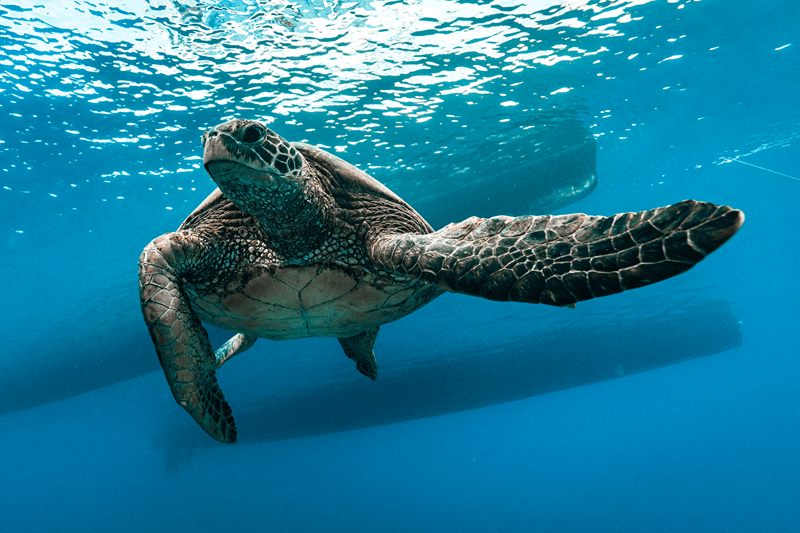
Written by the Maui Snorkeling team, operating Molokini and Turtle Town tours out of Maʻalaea Harbor since 1985. We spend more days in these waters than on land!
Last updated: December 2025
At A Glance
- Scientific name: Chelonia mydas
- Adult size: ~3–4 ft; ~300–350+ lbs
- Why “green”: green fat from diet
- Hawaiʻi status: threatened (Central North Pacific DPS)
- Viewing distance: at least 10 ft (3 m) in water and on land
- Nesting: mostly at Lalo/French Frigate Shoals (~96%)
Maui has beautiful beaches and clear waters, and is a paradise for sun-seekers, surfers, and snorkelers. It’s also a safe place for one of the ocean’s most amazing creatures: Hawaiian Sea Turtles. This blog will focus on Hawaiian green sea turtles, known locally as “Honu.” These ancient animals are respected in Hawaiian culture for their wisdom and longevity, and they offer a unique wildlife experience for visitors to the Hawaiian Islands.
This guide covers Hawaiian green sea turtle facts and the top 5 spots in Maui where these gentle reptiles are found, along with tips for respectful wildlife viewing!
Did You Know? Hawaiian Green Sea Turtle Facts
Among the seven types of sea turtles in the world, the Honu is known for its large size. Adults can grow up to four feet long and weigh over 300 pounds, making them the world’s largest hard-shelled sea turtles. The turtle’s life span is 60-70 years, and it reaches sexual maturity at 25-35 years!
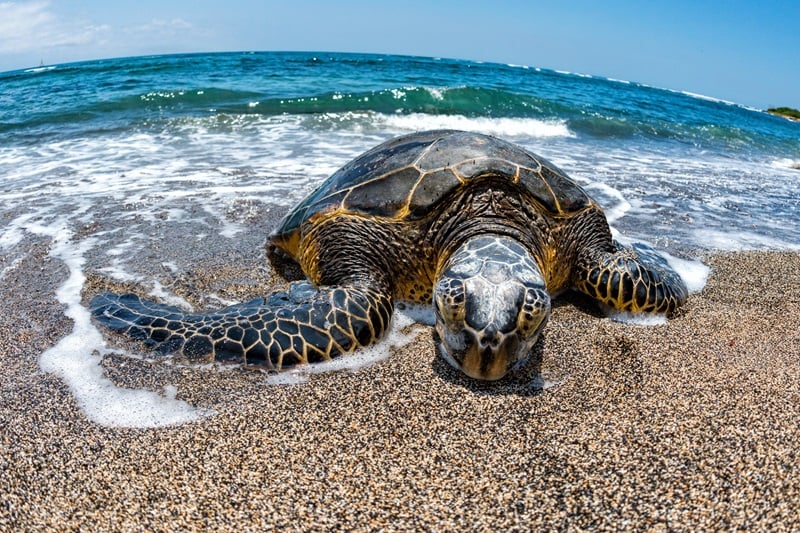
The name “Honu” for the Hawaiian green sea turtle does not come from the colors of its shell. Its shell can be brown, grey, black, or dark olive. Instead, it refers to the greenish color of the turtle’s subcutaneous fat, located just beneath its skin. What do Hawaiian green sea turtles eat, you might ask? In adulthood, these turtles predominantly feed on algae that grow on lava rocks and seagrasses. This diet is responsible for the green hue of their internal fat layer.
Although they spend most of their lives in the ocean, green sea turtles must breathe air at the surface and return to nesting beaches to lay their eggs. In Hawaii, key nesting sites are protected to ensure the survival of future generations.
Turtles have lungs that are two-thirds the length of their shells, which helps them dive deep underwater for a long time. Depending on the turtle’s size, the dives can last several hours. The longest recorded dive lasted up to five hours, showing great water endurance!
Green vs. Hawksbill: How To Tell The Difference (Honu vs Honuʻea)
Both green sea turtles (honu) and hawksbill turtles (honuʻea) can be found in Hawaiʻi waters—but hawksbills are rare, so it helps to know what you’re looking at.
Quick ID tips (in the water or on shore):
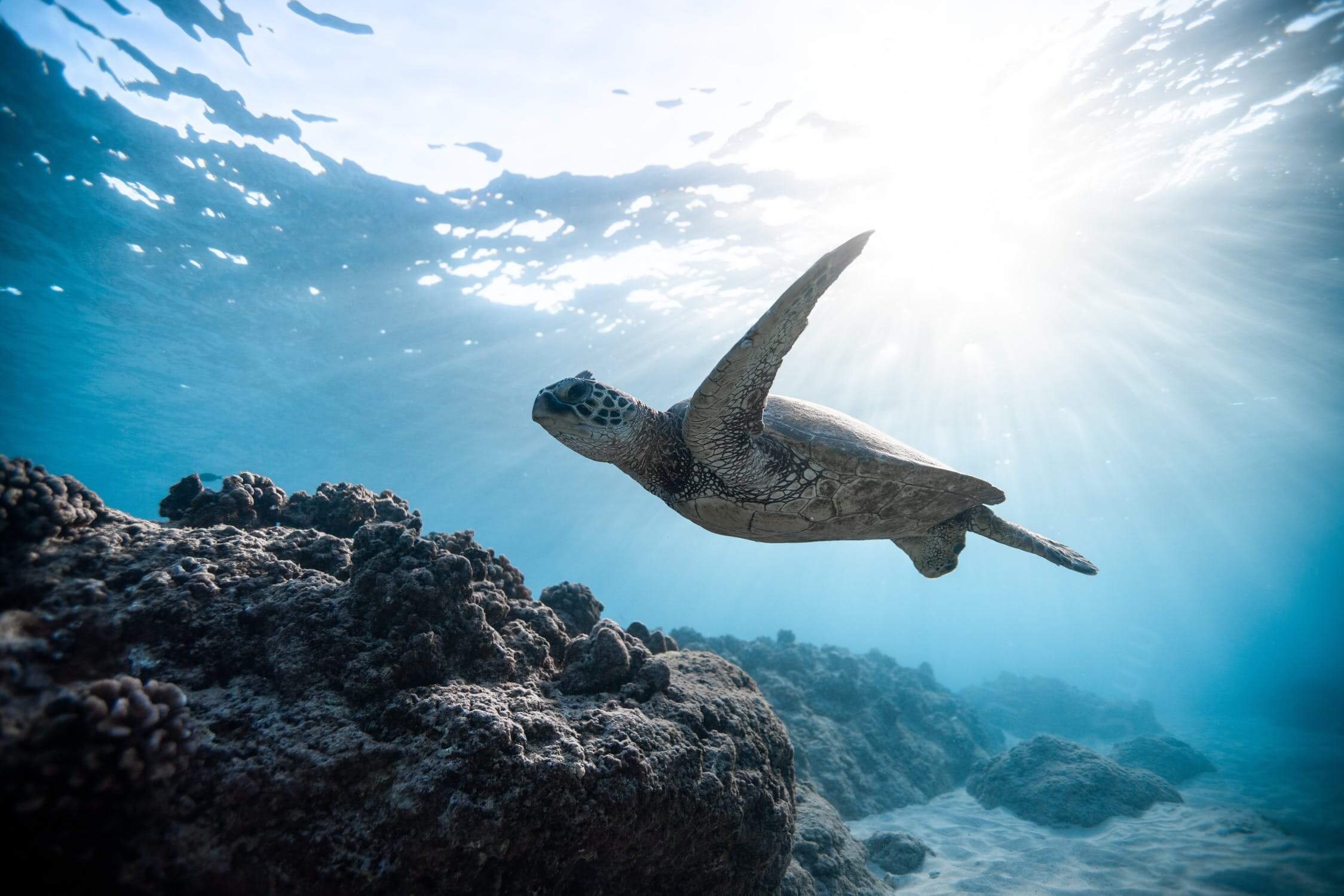
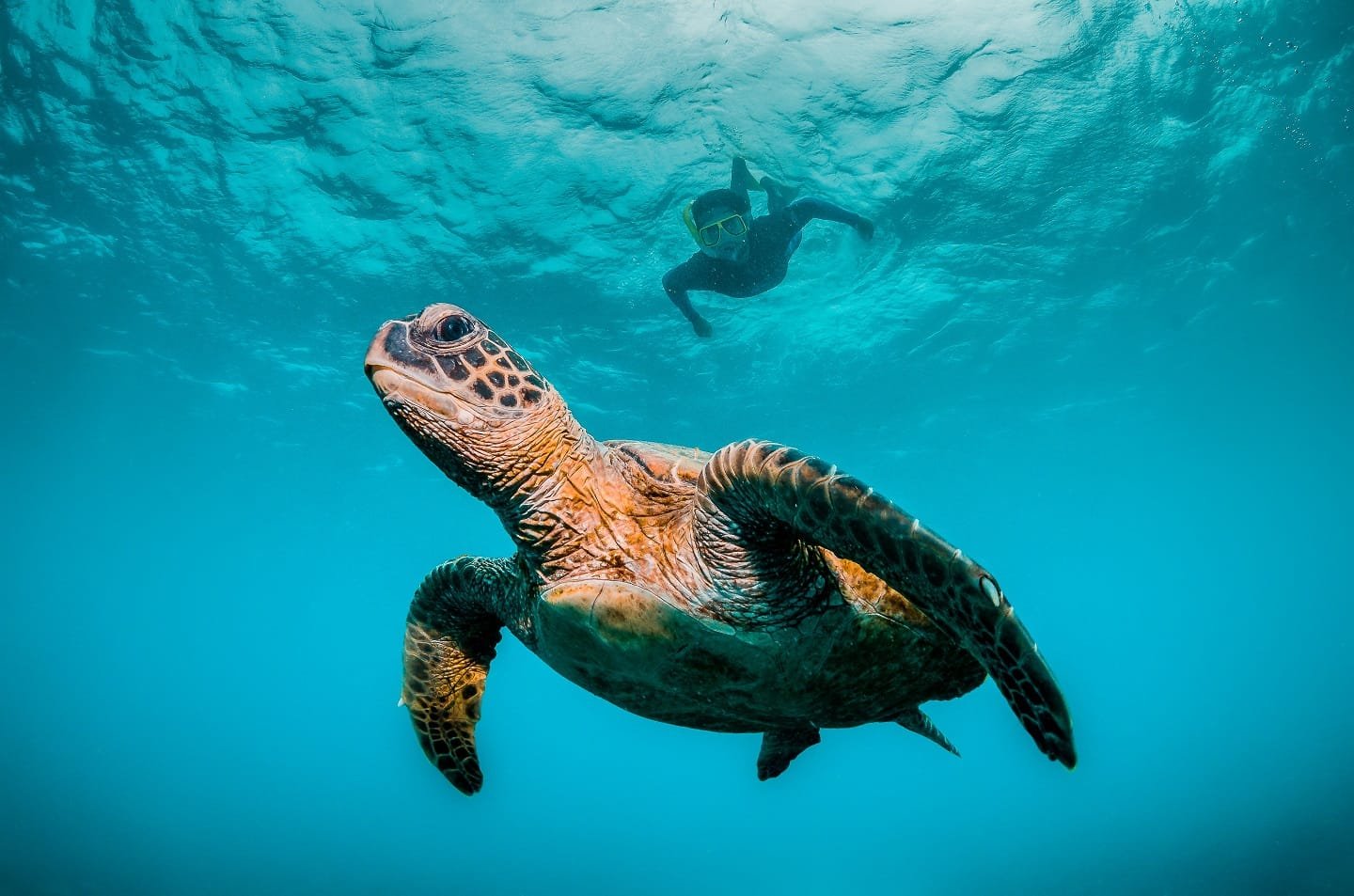
- Green sea turtle (Honu): more rounded head and a less “beak-like” mouth.
- Green (Honu): shell (carapace) typically has smooth edges.
- Hawksbill (Honuʻea): narrower head with a more pointed, hawk-like beak.
- Hawksbill (Honuʻea): shell edges often look serrated (a “saw-tooth” outline).
👉 Want to help conservation? Report hawksbill sightings to the statewide NOAA Marine Wildlife Hotline (888‑256‑9840). If you can, send photos to HIhawksbills.org.
Green Sea Turtle Nesting
The nesting and hatching season of female green sea turtles spans from May to December. They come ashore to nest and lay eggs about every two weeks. After nesting, the eggs incubate for six to nine weeks before hatching. Females typically nest every few years (about every 4 years and ~4 nests per season on average).
The Hawaiian green sea turtle’s journey connects with conservation efforts. They are listed as threatened under the federal Endangered Species Act (ESA). Strict rules protect them from harm or harassment, including bans on physical contact, whether in the ocean or on the warm sand.
Hawaii is committed to protecting its environment, which has led to significant results, particularly in the growth of these turtle populations. This revival is a testament to the effective integration of cultural devotion and environmental conservation.
Where Do Hawaiian Green Sea Turtles Nest?
Most Hawaiian green sea turtles nest at Lalo (French Frigate Shoals), a remote atoll in the Northwestern Hawaiian Islands within Papahānaumokuākea. Research and monitoring show that about 96% of Hawaiian green turtle nesting occurs at French Frigate Shoals, making it the most important nesting area for Hawaiʻi’s population.
Quick Comparison: Best Places to See Honu in Maui
Spot | Best for | Best time | Access | Conditions to know |
|---|---|---|---|---|
| Turtle Town (Maluaka Beach) | Most consistent snorkeling turtle sightings | Morning | Shore or boat | Go on calm days; visibility drops with swell/crowds |
| Black Rock (Kaʻanapali) | Snorkeling + resort convenience | Early morning | Shore | Surge/currents around the rock; avoid rough days |
| Ulua Beach (Wailea) | Beginner-friendly snorkeling | Morning | Shore | Afternoons get windier/choppier; parking fills early |
| Coral Gardens (Olowalu) | Beautiful reef snorkeling + frequent turtles | Morning | Best by boat | Often sheltered, but still check conditions; limited shore access |
| Ho‘okipa Beach Park | Land viewing (basking turtles) | Late afternoon | Land viewing | Often rough surf — not a snorkel spot; observe from behind fencing |
Top 5 Places to See Hawaiian Sea Turtles
1. Turtle Town: (Maluaka Beach)
Best Time: Morning (8–11 AM) for calm seas and best visibility
How To Spot Turtles: Look along reef edges and lava rock grazing zones where algae grows
Conditions: Only snorkel on calm days; south swells can reduce visibility
Access: Shore entry or boat (popular snorkel tour stop)
Safety & Etiquette: Stay 10 ft (3 m) away; never block turtles surfacing for air
Nestled between Nahuna Point and Black Sand Beach, Turtle Town is famously associated with Maluaka Beach. This snorkeler’s paradise is full of Hawaiian green sea turtles. The underwater volcanic formations attract these amazing creatures. The calm, blue waters invite visitors of all ages to dive in. They can discover an underwater world full of colorful marine life. This includes tropical fish, coral, and the stars of the show: the peaceful Hawaiian green sea turtles.
The waters in Turtle Town are known for their clarity and calmness, making it suitable for snorkelers of all skill levels. Visibility is generally good, allowing for excellent views of the underwater ecosystem. Turtles can be seen all year, but the best time to visit Turtle Town for snorkeling is in the morning. The waters are calmer then, and visibility is better. It’s also less crowded, providing a more intimate experience with marine life.
👉 Read more about Maluaka Beach (Turtle Town): Map, Parking, & Snorkeling

2. Black Rock Beach
Best Time: Early morning before crowds and trade winds
How To Spot Turtles: Check the base of the lava rock and nearby reef shelves
Conditions: Swim only when the ocean is calm; the surge can be strong on the outer edge
Access: Shore snorkeling
Safety & Etiquette: Avoid crowding turtles; be mindful of cliff divers and currents
At the north end of Ka’anapali Beach lies Black Rock Beach, a hotspot for snorkeling, cliff diving, and turtle watching. Early mornings are magical, as the beach is quieter, and the turtles are often seen gliding through the water. Remember, the early bird catches the unforgettable sight of the Honu in their natural habitat.
The beach is divided by a large lava rock formation that serves as a hub for marine life, making it an excellent spot for snorkeling. Visitors often explore the southern side of the rock due to its easy access and abundant fish and coral. The open-ocean side of Black Rock offers even better underwater views. You can see bright coral, colorful fish, and Hawaiian sea turtles. It’s best to swim here only when the ocean is calm. Strong currents and surges can be dangerous.
👉 Read our Black Rock vs Molokini guide
3. Ulua Beach
Best Time: Morning (winds increase after noon)
How To Spot Turtles: Focus on the north (right) rocky outcrop
Conditions: Generally calm, but afternoon chop is common
Access: Shore snorkeling
Safety & Etiquette: Give turtles space; don’t follow or surround them
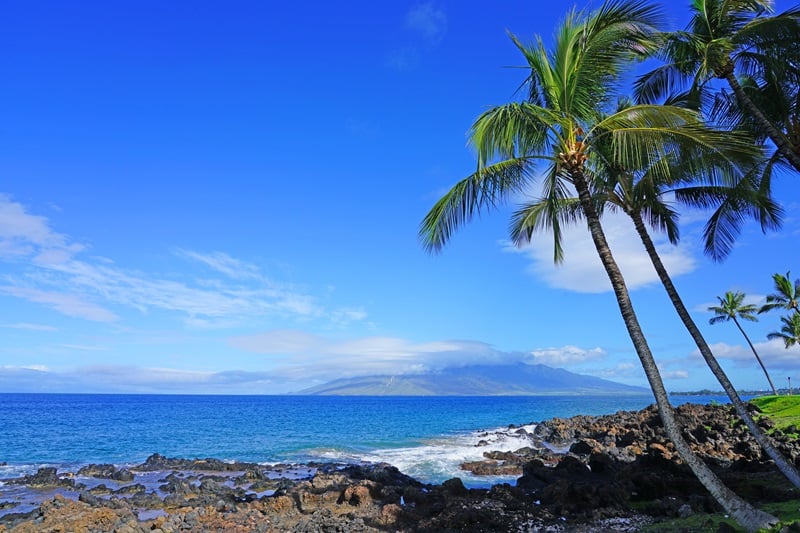
Ulua Beach is perfect for beginners and families. It’s located in the Wailea resort area on Maui’s south shore. The beach has calm waters and rocky areas that support sea turtle populations, and it is popular because it’s easy to reach. Many people enjoy seeing Hawaiian green sea turtles there, making it a favorite destination for locals and tourists.
Mornings at Ulua Beach are great for snorkeling. The water is calm, and visibility is high. In the afternoon, winds pick up, making the ocean choppy and more challenging to see. The beach’s right (north) side, by the rocky outcrop, is known for excellent snorkeling. Snorkelers can see colorful corals and fish there. Even though it’s popular, you should arrive early. The parking lot fills up fast, especially in peak season.
4. Coral Gardens
Best Time: Morning, especially via boat tour
How To Spot Turtles: Near shallow reef flats where turtles graze on algae
Conditions: Usually calm due to cliff shelter; visibility can exceed 40 ft
Access: Best by boat (shore access is limited)
Safety & Etiquette: Observe only; no touching or approaching resting turtles
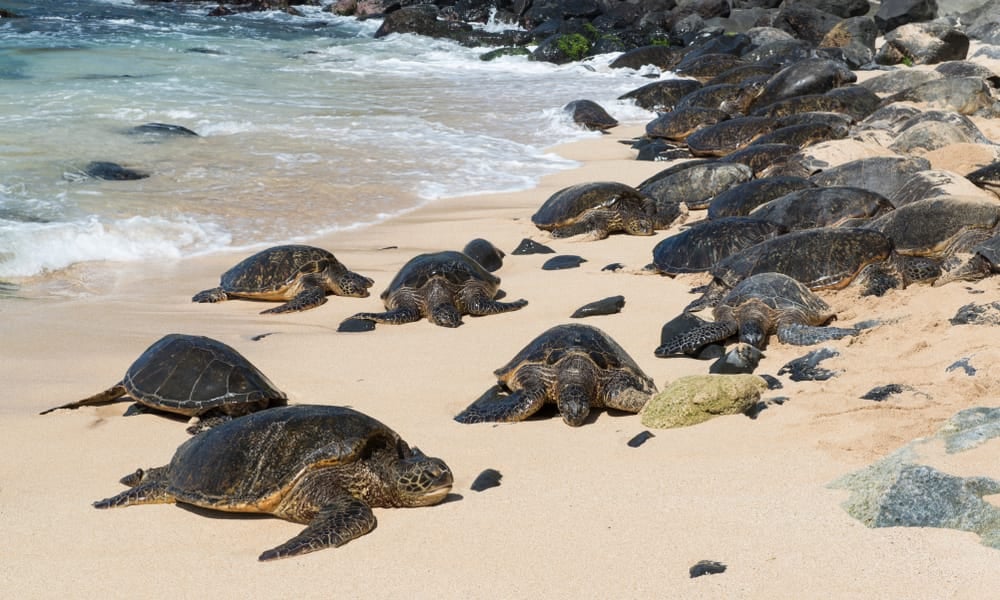
Coral Gardens is on the west side of Maui near the Pali Highway Mountain Pass coastline, before Olowalu. This spot is known as one of the best snorkeling spots on Maui. This natural reef is located in a safe bay known for its clear waters and rich marine life. The beautiful coral reef formations make it a top spot for snorkeling. Coral Gardens is sheltered from wind and rough seas by nearby cliffs. This makes it an excellent place for beginner and intermediate snorkelers to explore underwater wonders in calm waters.
The area is mainly known for its diverse array of colorful tropical fish and frequent sightings of sea turtles. Turtles’ feeding grounds are often near the shore, making Coral Gardens a great place for snorkelers. They can hope to see these amazing creatures in their natural habitat. It’s important to remember that you can swim with the turtles, but you cannot touch them. This rule helps protect their natural environment and well-being.
If you plan to visit, the best way to reach Coral Gardens is by boat. This is because of its location and the shelter it provides from Maui’s coastal winds. The experience is often called breathtaking. Visibility can reach up to 40 feet. This allows snorkelers to enjoy the underwater beauty of this Maui gem fully.
Read more about Coral Gardens!
5. Ho‘okipa Beach Park (Land Viewing – Basking Turtles)
Best Time: Late afternoon for basking turtles on shore
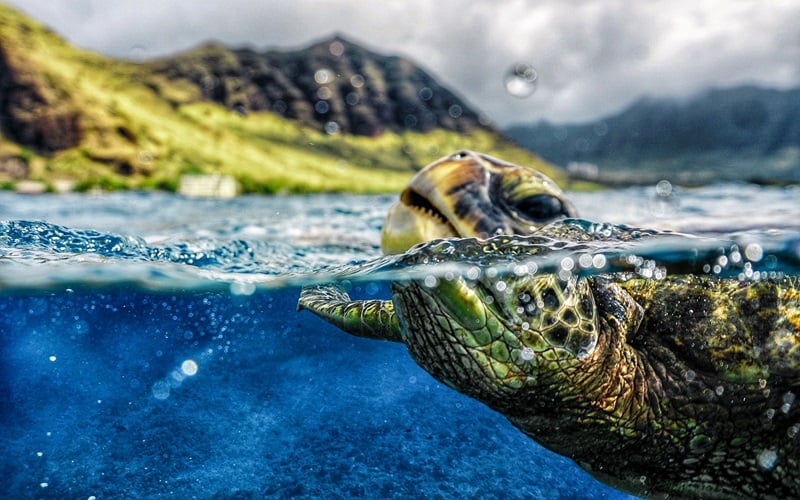
How To Spot Turtles: Look behind the sand fencing where turtles rest
Conditions: Ocean often rough — not recommended for snorkeling
Access: Land viewing only
Safety & Etiquette: Observe from behind barriers; never approach or photograph closely
Ho‘okipa is one of Maui’s best places to see Hawaiian green sea turtles resting on land. This is a view-only location, not a snorkel spot. Fencing protects basking turtles, and visitors should always keep a respectful distance.
Honorable Mentions: Other Maui Spots
Looking for more options? Here are a few popular Maui turtle spots visitors often ask about. These are great backups when your first choice is too windy, too crowded, or not calm enough to snorkel.
- Kapalua Bay (Northwest Maui): A calmer bay on many days and a solid choice for beginner snorkeling—check the rocky edges for turtle activity (best in the morning).
- Makena Landing (South Maui): A common launch point for kayaks and snorkelers; turtles are sometimes seen near reef/rocky areas—watch for boat traffic and go early.
- Honolua Bay (Northwest Maui): Famous snorkeling in calmer seasons; conditions can change dramatically—only go when the bay is safe, and visibility is good.
- Napili Bay (West/Northwest Maui): A scenic bay where turtles may cruise near points and reef edges—best odds in calmer morning conditions.
- Kahekili Beach Park (Airport Beach, West Maui): Accessible snorkeling with reef structure that can attract turtles—go early and avoid days with strong surge.
- La Perouse Bay (South Maui): Remote lava coastline with wildlife potential, but no lifeguards, and conditions can be challenging—only attempt ocean activities when it’s clearly calm and within your ability.
Snorkeling vs. Land Viewing: What’s The Best Way To See Sea Turtles In Maui?
Maui offers two distinct ways to experience Hawaiian green sea turtles: snorkeling in the ocean or observing them basking on shore. The best option depends on your comfort level, ocean conditions, and the type of experience you’re looking for.
Seeing Sea Turtles While Snorkeling
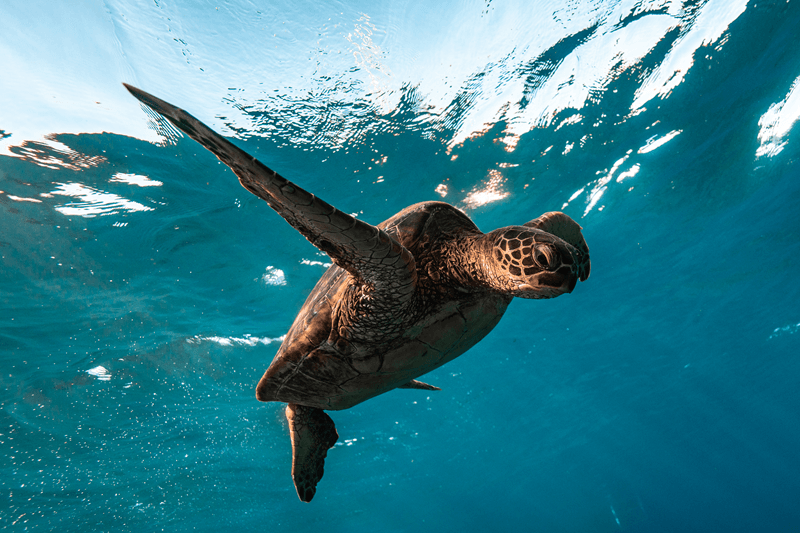
Snorkeling gives you the chance to see honu in their natural underwater environment, swimming, feeding on algae, or resting near reef structures.
Best for:
- Confident swimmers and snorkelers
- Calm ocean days with good visibility
- Visitors wanting a close-up (but respectful) wildlife experience
Common snorkeling locations:
- Turtle Town (Maluaka Beach)
- Coral Gardens (Olowalu Coast)
- Black Rock Beach (calm mornings)
What to expect:
- Turtles grazing along reef edges
- Slow, graceful swimming near the sea floor
- Occasional surface breaths
Important reminder:
Even in the water, turtles are protected wildlife. Always stay at least 10 feet (3 meters) away and never chase, touch, or block their path to the surface.
Seeing Sea Turtles From Land (Basking Turtles)
Land viewing is an excellent alternative for visitors who don’t want to snorkel or when ocean conditions are rough. Some Hawaiian green sea turtles regularly bask on sandy beaches to rest and regulate their body temperature.
Best for:
- Families with young children
- Non-swimmers
- Rough ocean or high-surf days
Top land-viewing spot:
- Ho‘okipa Beach Park (observe from behind fencing)
What to expect:
- Turtles resting on the sand
- Volunteers or posted signs protecting basking areas
- A peaceful, educational viewing experience
Critical etiquette:
- Stay behind barriers or fencing
- Never approach basking turtles
- Do not crowd or attempt photos up close
Which Option Is Better?
There’s no single “best” way to see sea turtles in Maui — both experiences are meaningful in different ways.
- Choose snorkeling if you want to see turtles swimming and feeding
- Choose land viewing if you prefer a relaxed, accessible, observation-only experience
- Choose a guided snorkel tour if you want safer access, local knowledge, and responsible wildlife practices
No matter how you encounter them, seeing Hawaiian green sea turtles is an exceptional experience — one that comes with the responsibility to protect and respect these ancient animals.

See Honu on Maui Snorkeling Boat Tours
Our Maui Snorkeling Tours’ main snorkel site is the famous Molokini Crater. However, our trips also go to Turtle Town and Coral Gardens. These additional spots are renowned for their abundant Maui sea turtles, offering a broader scope of marine life observation.
Our all-inclusive tours include a 5-hour morning trip to Molokini Crater and Turtle Town or Coral Gardens. Depending on the weather, we also offer a 3-hour afternoon journey to Molokini Crater. These snorkeling experiences are for people of all ages and skill levels. There is special pricing for Kama’aina (local residents). Children under the age of 4 join for free, underlining our commitment to family-friendly adventures.
Each Maui Snorkeling Tour Package is designed for your comfort. It includes meals, snacks, and drinks like coffee, tea, juices, and soft drinks. For your snorkeling experience, you’re equipped with top-notch gear, including snorkels, fins, optical masks, and flotation belts. Added fun elements like boogie boards, a 25-foot water slide, and swimming noodles ensure never dull moments. Get ready to dive into the best that Maui offers and secure your spot on one of our snorkeling tours today!
Conserving the Beauty: A Note on Respect and Protection
The enchantment of encountering green sea turtles in their natural habitat comes with a responsibility. State and federal laws protect these creatures, and it’s essential to keep a respectful distance to avoid disturbing them. When snorkeling or observing turtles, always remember that we are guests in their home. You should:
- Stay 10 ft / 3 m away
- Don’t touch / chase / block their path to the surface
- Don’t crowd basking turtles
- Report injured or dead turtles to the hotline (NOAA brochure includes (888) 256‑9840)
The Hawaiian green sea turtle is listed as threatened and is protected under U.S. law. Agencies such as the Fish and Wildlife Service and NOAA collaborate to safeguard habitats. One of the most important nesting areas is the French Frigate Shoals in the Northwestern Hawaiian Islands, a remote location critical to the turtle population.
In Hawaiian culture, spotting a turtle is considered good luck, and locals treat these encounters with deep respect. The turtles are not just part of the ecosystem — they are part of Hawaii’s heritage, especially on islands like Maui and the Big Island.
Frequently Asked Questions About Hawaiian Green Sea Turtles
Are Hawaiian green sea turtles endangered?
Hawaiian green sea turtles are listed as threatened under the U.S. Endangered Species Act. Thanks to strong protections in Hawaiʻi, their population has been slowly recovering, but they remain protected wildlife and vulnerable to habitat loss and human disturbance.
How close can you get to a sea turtle in Hawaiʻi?
NOAA and Hawaiʻi DLNR recommend staying at least 10 feet (3 meters) away from sea turtles on land and in the water. Sea turtles are protected under state and federal law, and disturbing, chasing, touching, or blocking them can be considered harassment.
What is “honu”?
Honu is the Hawaiian name for the green sea turtle. In Hawaiian culture, honu are respected as symbols of wisdom, good luck, and long life, and they are deeply connected to ocean stewardship and mālama (care for the land and sea).
Where do Hawaiian green sea turtles nest?
About 96% of Hawaiian green sea turtles nest at French Frigate Shoals (Lalo) in the Northwestern Hawaiian Islands. While turtles are commonly seen around Maui, most are born far from the main islands and migrate back later in life.
What do Hawaiian green sea turtles eat?
Adult Hawaiian green sea turtles are primarily herbivores. They feed on algae and seagrass that grow on reefs and lava rocks, which gives their internal fat a greenish color.
Can you swim with turtles in Maui?
You may observe turtles while snorkeling, but you cannot actively swim toward them. Turtles must approach you on their own, and you must always maintain the required distance and never chase, touch, or follow them.
What should I do if a turtle swims toward me?
Stay calm, remain still, and slowly move away if needed to keep a distance. Never block a turtle’s path to the surface, and avoid sudden movements that could stress the animal.
Embarking on Your Hawaiian Sea Turtles Adventure
Maui’s shores and waters offer unparalleled opportunities to witness the beauty of green sea turtles. You can see turtles resting at Ho‘okipa Beach Park. Whether you are on a Maui Snorkeling Boat Tour or snorkeling in the clear waters of Turtle Town or Coral Gardens, this is true. Each experience shows the island’s strong bond with marine life.
As you plan your trip, remember that Maui is a great destination. It attracts beach lovers and fans of the Hawaiian green sea turtles, which are ancient ocean creatures. Visiting the top five places in Maui to see sea turtles is more than just a vacation plan. It’s a tribute to the beauty of nature and the stories connected to these marine animals. Be on the lookout for these graceful creatures in the beautiful Hawaiian waters.
Book a Maui Snorkeling Tour
Reserve your spot on a tour now and witness the graceful green turtles in their natural habitat!


