Escrito por el equipo de Maui Snorkeling, quienes operan tours en el Cráter Molokini, Turtle Town y Coral Gardens desde el puerto de Maalaea (Māʻalaea) desde 1985. Los tours son guiados por capitanes con licencia de la USCG a bordo de una
Embarcación de pasajeros inspeccionada por la Guardia Costera de EE. UU.. Pasamos más días en estas aguas que en tierra.
Respuesta rápida
Maui snorkeling photography is easiest on calm, clear mornings with the sun behind you and a clean lens. Use simple GoPro or phone settings, move slower than you think, and get closer to reef scenes (without touching coral or crowding wildlife). If you’d rather stay hands-free, we have a photographer on board and you can purchase photos from your trip.
Conclusiones principales:
- Best Time To Shoot: Morning is usually calmer and clearer for photos
- Best Light Trick: Keep the sun behind you to reduce glare and boost color
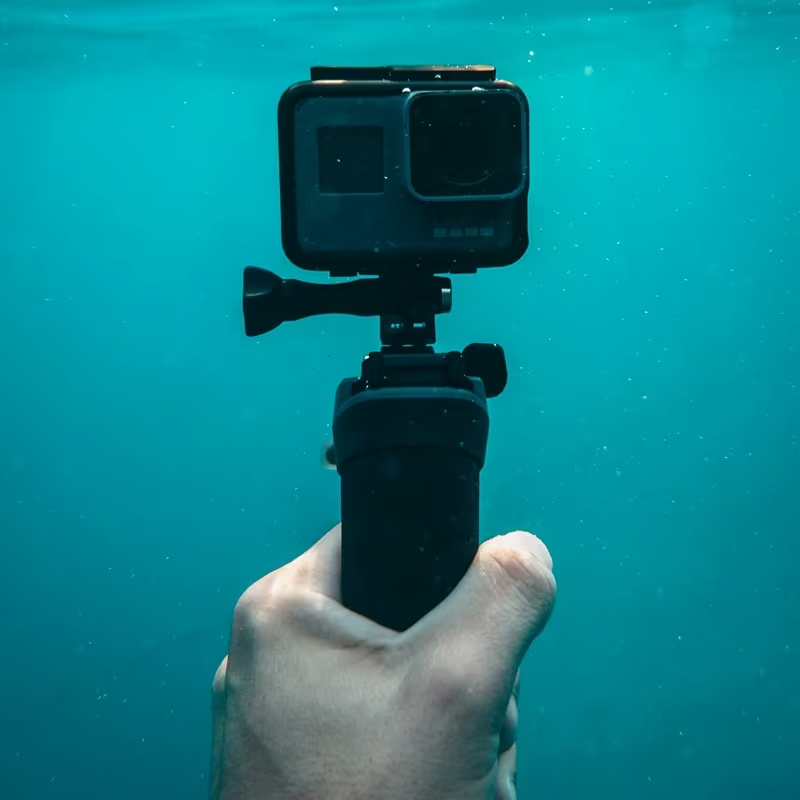
- GoPro Tip: Use stabilization, shoot 4K if available, and move slower for smoother footage
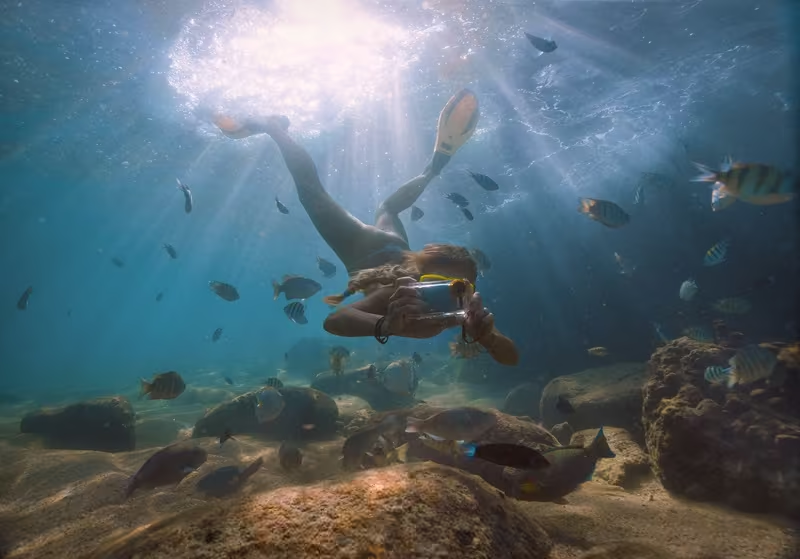
- Phone Tip: Use a real waterproof case, use burst mode, and skip zoom
- Bono: Want pro shots without fiddling? Ask about our onboard photographer and photo purchase options
Let’s be honest. You’re not traveling to Maui to come home with 47 blurry photos of “something fish-shaped” and one accidental close-up of your own thumb.
You want the good stuff: clear reef fish, that “turtle cruised by” moment, and a couple of photos that make your friends say, “Wait, is that real?”
This guide is your no-stress plan for Maui snorkeling photography using a GoPro or a phone. And if you’d rather not mess with settings at all, we’ve got you there too (more on that below).
Why Underwater Photos Look Blue And Hazy
Water eats color fast. Even in clear Maui water, reds and warmer tones fade the deeper you go, so photos can look blue-green. Add movement, glare, and a little lens fog, and suddenly your epic reef shot turns into mysterious ocean soup.
The fix is simpler than you think: calm conditions, good light, a clean lens, and getting close (safely) to what you’re photographing.
Best Time And Conditions For Clear Snorkel Photos
If you want the easiest wins, plan around conditions first. Your camera can’t outsmart choppy water.
For a deeper look at month-by-month visibility, wind, and calmer-water patterns, read our Mejor momento para hacer snorkel en Maui guide before choosing your snorkel day.
Go In The Morning When You Can
- Calmer water usually means less backscatter and less blur.
- Better visibility makes fish and reef structure pop.
- More relaxed snorkeling helps you hold still and frame shots.
Use The Sun Like A Free Filter
- Keep the sun behind you for brighter colors.
- Avoid shooting straight into glare unless you want “artsy silhouette mode.”
Before any snorkel day, it’s smart to check wind, swell, and visibility factors. Start here: Condiciones para Snorkel en Maui.
GoPro Snorkeling Settings That Work In Maui
You don’t need a film degree. Use a simple setup and you’ll get great footage.
Easy GoPro Preset For Beginners
- Resolution: 4K (great quality without giant file sizes)
- Frame Rate: 60 fps if you want smooth motion, 30 fps if you want smaller files
- Lens: Wide is usually the safest choice underwater
- Stabilization: On (this helps a lot while snorkeling)
- Color: Natural or standard, whichever your camera offers
If you are still deciding where to use your camera, our Los mejores lugares para practicar snorkel en Maui guide can help you compare reef spots, visibility, and beginner-friendly areas.
Two GoPro Moves That Make The Biggest Difference
- Lock exposure if your camera supports it, so brightness doesn’t pump up and down.
- Slow down so stabilization can do its job, and your footage looks smooth.
Best GoPro settings for Maui snorkeling: Use 4K video, 60 fps for smooth movement, Wide lens, stabilization on, and Natural or Standard color. Move slowly, keep the sun behind you, and lock exposure if your GoPro supports it.
If you want an official walkthrough, GoPro has a guide on using a GoPro for snorkeling and diving: How To Use Your GoPro As A Snorkeling And Diving Camera.
Phone Underwater Photos: What Works And What Doesn’t
Phones can get surprisingly good underwater shots, but only if you protect them and keep it simple.
Use A Real Waterproof Case
- Don’t trust water-resistant as a plan.
- Test the case in a sink or bucket first (without your phone) so you’re not doing science in the ocean.
Skip Zoom And Get Closer Instead
- Digital zoom underwater usually looks grainy fast.
- If you can’t get closer without touching coral or crowding wildlife, just take the wider shot and enjoy the moment.
Use Burst Mode For Fish Photos
Fish don’t pose. Take a burst and pick the best frame later. You’ll feel like a genius when one photo comes out perfectly timed.
For colorful reef scenes and fish photos, our Jardines de coral de Maui guide is a helpful look at one of Maui’s reef-focused snorkel spots.
How To Prevent Fog, Water Spots, And Smudges
Most bad underwater photos are not “camera problems.” They’re “something on the lens” problems.
Do A Quick Lens Check Before You Get In
- Wipe the lens with a clean microfiber cloth.
- Keep sunscreen off your fingers when touching the lens area.
Rinse And Reset Between Snorkel Sessions
- Salt spray dries into spots fast.
- A quick rinse and wipe can save your next set of photos.
How To Photograph Turtles And Reef Life Respectfully
The best Maui photos are the ones where wildlife looks calm and natural. That happens when people give animals space and don’t chase them.
- Don’t block their path. Let turtles and fish move where they want.
- Don’t touch coral. Stay neutral and float over reef areas.
- Take the wider shot. It’s better than stressing wildlife for a close-up.
If turtles are high on your photo wish list, our Esnórquel en Turtle Town guide explains where honu are commonly seen and how to view them respectfully.
If you want the official distance guidance for Hawaiʻi, NOAA has a simple wildlife viewing page here: Viewing Marine Wildlife In Hawaiʻi.
Want The Easiest Option? We Have A Photographer On Board
If you’d rather snorkel without thinking about settings, angles, and “why is my lens fogging again,” you’re going to love this. We have a photographer on board, and you can purchase photos from your trip.
It’s the best of both worlds: you get to be present for the snorkel, and you still go home with beautiful photos that actually look like what you saw.
Pensamientos finales
Maui snorkeling photography gets a whole lot easier when you keep it simple. Go early when you can, keep the sun behind you, get close without crowding reef life, and keep your lens clean. And if you want the easiest plan of all, let our onboard photographer handle the shots while you focus on the fun part: the snorkeling!
Fuentes y actualizaciones
Use these trusted resources to review snorkeling safety, water quality advisories, marine weather, wildlife viewing guidance, and official GoPro snorkeling tips before you bring a camera into the ocean.