Bluefin Trevally Maui: How To Spot Omilu While Snorkeling
May 8th, 2026
| Marine Life
Written by Maui Snorkeling, operating tours to Molokini Crater, Turtle Town, and Coral Gardens from Māʻalaea Harbor since 1985. Tours are led by USCG-licensed captains aboard a USCG-inspected passenger vessel.
Last updated August 26, 2026
Quick Answer
Bluefin trevally, also called ʻōmilu (omilu) in Hawaiʻi, are sleek silver reef hunters known for their electric blue fins and quick bursts of speed. Snorkelers may spot them cruising reef edges, ledges, and drop-offs, especially on calm mornings with clear water. Bluefin trevally are scientifically known as Caranx melampygus and belong to the jack family.
Main takeaways:
Hawaiian Name: Bluefin trevally are commonly called ʻōmilu (omilu) in Hawaiʻi
Best ID Clue: Look for electric blue fins and a metallic body with small dark spots
Where To Look: Reef edges, ledges, and drop-offs instead of open sand
Best Conditions: Calm, clear mornings make fast fish easier to spot
Bonus: On our tours, we have a photographer on board and you can purchase photos
If you’ve ever seen a shiny silver fish with electric blue fins zoom past like it’s late for brunch, congrats. You might’ve just met a bluefin trevally.
In Hawaiʻi, bluefin trevally are commonly called ʻōmilu (often written as omilu). They’re one of the coolest “blink, and you missed it” fish you can spot while snorkeling in Maui because they move fast, hunt fast, and somehow always look like they’re on an important mission.
This guide breaks down what bluefin trevally look like, where to spot them, and how to snorkel around them without turning your relaxing reef swim into a chaotic chase scene.
Bluefin Trevally Quick Facts
Here’s a simple look at bluefin trevally in Maui, including how to recognize ʻōmilu, where snorkelers may see them, and how to observe these fast reef fish respectfully.
Topic
Details
Common names
Bluefin trevally, ʻōmilu, omilu, and bluefin jack
Scientific name
Caranx melampygus
Fish family
Jack family, also known as Carangidae
What it is
A fast, powerful reef predator often seen cruising over coral reefs, reef edges, ledges, and clear-water drop-offs
Best ID clues
Bright electric-blue fins and tail, small dark spots, a streamlined body, metallic blue-green coloring, and a deeply forked tail
Where snorkelers may see them
Along Maui reef edges, shallow coral areas, lava-rock ledges, channels, and outer reef zones with clear water and good visibility
Common behavior
They often move quickly, patrol reef structure, follow baitfish, and may appear alone, in pairs, or with other reef fish nearby
Best viewing conditions
Calm, clear water with good visibility, especially when reef fish are active and surface conditions are safe for snorkeling
Main look-alike
Giant trevally, or ulua, which is usually bulkier, heavier-looking, and less defined by bright blue fins
Safety note
Bluefin trevally are not a typical danger to snorkelers, but they are wild reef predators and should never be chased, touched, fed, or cornered
Snorkeling tip
Float calmly, watch reef edges, avoid sudden movements, and let the fish pass naturally through the area
Photo tip
Use a wide reef scene, keep the fish in the frame early, and take the photo before it swims out of range
Why snorkelers notice them
Their bright blue fins, quick movement, and bold reef-hunting behavior make them one of Maui’s most memorable reef fish sightings
Note: Bluefin trevally sightings are never guaranteed. For the best chance of seeing ʻōmilu, choose calm, clear-water snorkel conditions, watch reef edges from a respectful distance, and let marine life move naturally.
What Is A Bluefin Trevally?
The bluefin trevally (Caranx melampygus) is a sleek, powerful reef predator in the jack family. You’ll often see them cruising reef edges, patrolling drop-offs, or making quick darting runs through smaller fish when they’re hunting.
They’re common around coral reefs in the Indo-Pacific, and they’re especially fun to watch in clear water because their fins can glow an unreal blue when the light hits just right.
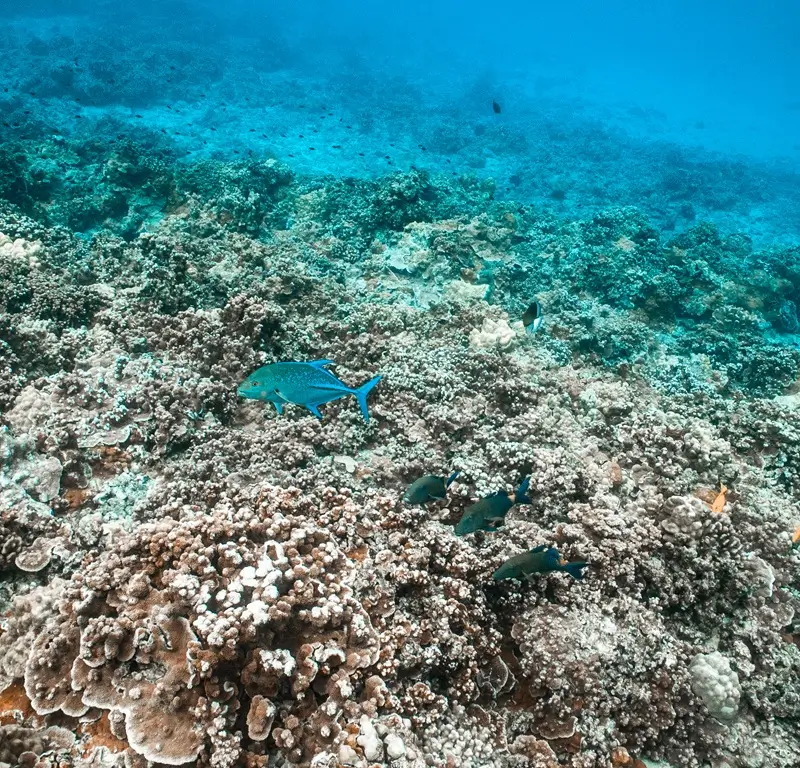
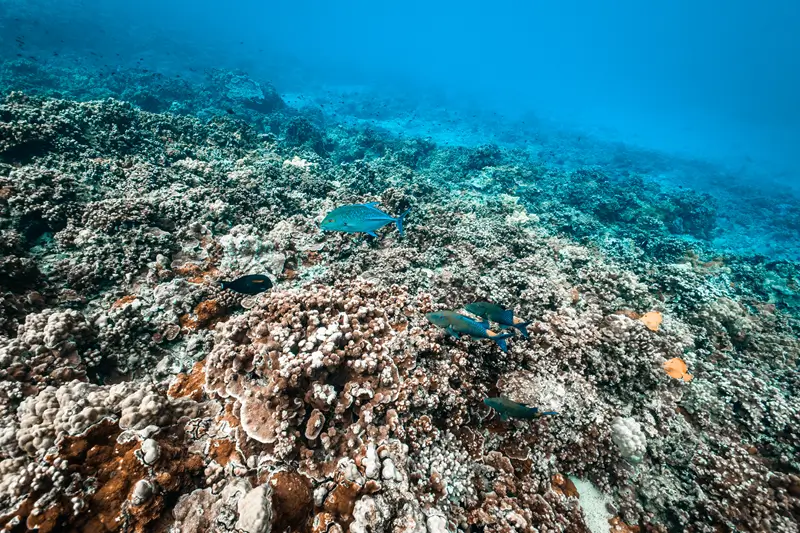
In shallow waters, bluefin trevally often stand out as one of the larger fish on the reef, with bright blue fins, blue and black speckling, and a fast, confident patrol along the coral edge.
Bluefin Trevally Identification Tips
If you’re trying to ID a bluefin trevally quickly, don’t overthink it. Use these easy clues.
Look For Electric Blue Fins
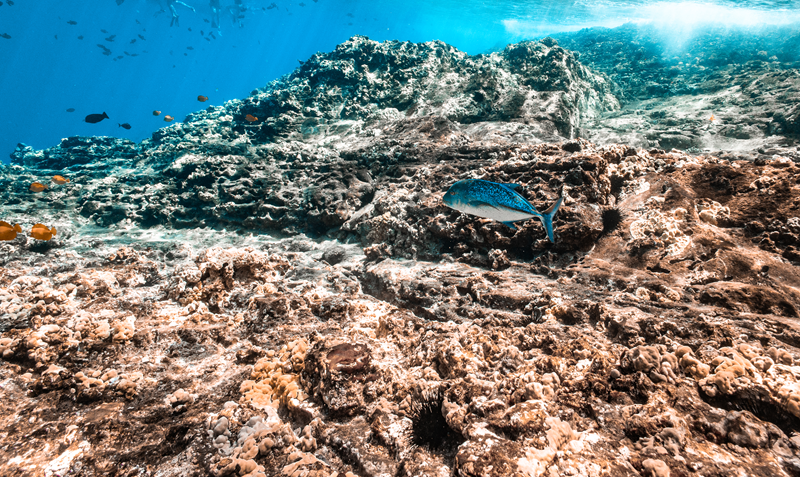
The “bluefin” part is real. On adults, the second dorsal fin, tail, and anal fin can show a bright electric blue that pops in clear water.
Check For Spots On The Upper Body
Many adults have scattered small dark spots on the upper sides. In good visibility, you’ll see a metallic body with a brassy or silvery look, plus those little speckles.
Juveniles Can Look Different
Smaller bluefin trevally don’t always show the full bright blue fin look yet. If you see a younger one, focus more on the overall torpedo-like jack shape and the way it moves: confident, fast, and always scanning.
Bluefin Trevally Vs Giant Trevally: Quick Snorkeler ID
Bluefin trevally (omilu) and giant trevally (ulua) are both jacks you may see around Maui reefs. Use this quick table to tell them apart fast when a silver rocket fish zooms by.
Feature
Bluefin Trevally (Omilu)
Giant Trevally (Ulua)
Most obvious clue
Electric blue fins that can pop in clear water
Usually looks more gray, silver, or dark, without the bright blue fin look
Body markings
Often has small dark spots on the upper sides
May show darker shading or spots, but the overall look is heavier and less “speckled”
Typical vibe
Fast patrols and quick hunting bursts along the reef edge
More “boss energy” cruising, and can look thicker and more powerful
Where you’ll see it
Reef edges, ledges, drop-offs, and channels where baitfish gather
Reef edges and deeper structure, often appearing as a larger silhouette
Best snorkeler move
Hold still and let it swim through your view
Give it space, stay calm, and avoid chasing for photos
Note: These fish are wild and fast, and sightings aren’t guaranteed. Your best odds come from calm mornings, clear water, and slow snorkeling.
Bluefin trevally can show up anywhere the reef has baitfish, structure, and clear water, but your odds get better when you choose the right kind of snorkeling day.
Reef Edges And Drop-Offs
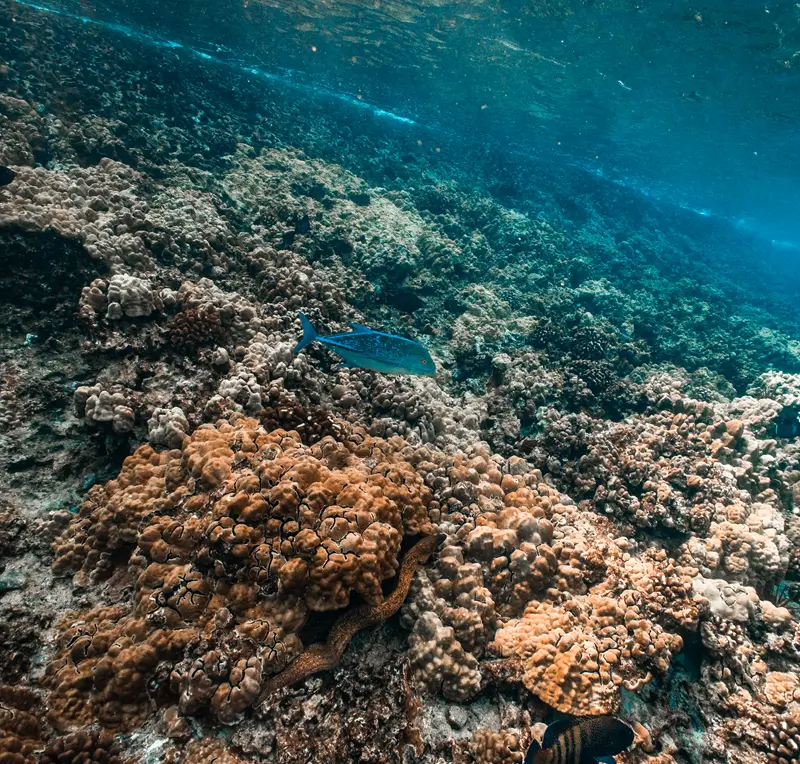
Look along reef edges where sand meets rock, along ledges, and near drop-offs. Bluefin trevally often cruise these zones because it’s like a reef “highway” for smaller fish. For another reef-focused snorkel spot, see our Coral Gardens Maui guide, where coral heads and lava formations create a great habitat for reef fish.
If you want a calmer, more guided experience with clear-water odds, boat snorkeling can help because you’re not guessing where to go, and the crew can help you get comfortable and stay safe.
Why Bluefin Trevally Suddenly “Appear” And Then Vanish
Bluefin trevally are hunters. They don’t always hover politely like reef fish that are focused on algae or coral nibbles. They cruise, they scan, and when they see an opportunity, they sprint.
If you’re snorkeling and suddenly notice a bunch of smaller fish tightening into a nervous cluster, watch the edges of that group. That’s often where a predator like an omilu will slip in and make a fast move.
How To Snorkel Around Omilu Without Stressing The Reef
The best way to see bluefin trevally is not to chase them. Seriously. If you chase them, you’ll get bubbles, fins, and disappointment.
Slow Down: Float calmly and let fish come to you.
Look Ahead: Watch where they’re going, not where they were.
Stay Off The Reef: Don’t stand on coral or kick it while trying to “get closer.”
Give Wildlife Space: Reef life acts more naturally when snorkelers act calmly.
How To Photograph Bluefin Trevally
Bluefin trevally are fast, so your photo plan needs to be simple.
Hold Still: Let them swim through your frame.
Stay Slightly Lower: A low angle with the light behind you often makes the blue fins pop more.
Don’t Kick Like Crazy: Fast finning makes sand clouds and scares fish away.
Want the easiest photo option? On our tours, we have a photographer on board, and you can purchase photos from your trip. That means you can enjoy the snorkel without juggling a camera the whole time.
Ready to Explore Maui’s Underwater World?
Experience Maui’s ocean environment aboard the Lani Kai II. We’ll provide snorkel gear, food, and friendly crew support, so you can focus on the adventure!
Tours depart from Maʻalaea Harbor. Routes, snorkel sites, and marine life sightings vary with ocean conditions.
FAQs
A bluefin trevally is a fast reef predator in the jack family. In Hawaiʻi it’s commonly called omilu (ʻōmilu). Snorkelers spot them cruising reef edges and hunting near drop-offs.
Look for a metallic silver body and electric blue fins. Many adults also have small dark spots on the upper sides. They move fast and patrol reef edges like they own the place.
They’re commonly seen around reef structure, ledges, and drop-offs, especially where baitfish gather. Calm, clear water makes them much easier to spot.
Morning is usually best because winds are often lighter and visibility is more likely to be clear. Use our Maui snorkel conditions guide to decide if it’s a good day to get in.
No. You’ll burn energy and scare fish away. Hold still, watch where they’re heading, and let them swim through your view. You’ll get better sightings and better photos.
Sometimes, yes. Reef fish sightings are never guaranteed, but clearer water and reef structure can improve your odds. If you want a guided option, check Molokini or our afternoon tour.
Yes. In Hawaiʻi, bluefin trevally are commonly called ʻōmilu, often written as omilu. They’re known for their metallic body, bright blue fins, and fast hunting movements along reef edges.
Final Thoughts
Bluefin trevally (omilu) are one of Maui’s most fun “wow” fish because they’re fast, flashy, and always doing something. Go on a calm, clear day, watch reef edges and drop-offs, and keep your movement slow. The reef rewards the chill snorkeler every time.
Sources & Updates
Use these trusted resources to confirm bluefin trevally (omilu) identification, Hawaiʻi naming references, snorkeling safety guidance, water quality advisories, and marine weather before your snorkel day.