簡単な回答
Snorkeling vs scuba diving in Maui is a choice between exploring from the surface and spending time submerged. Snorkeling is usually the simpler starting point for capable swimmers who want a reef outing without certification training. Scuba suits travelers excited to learn underwater skills or use an existing certification. Introductory scuba isn't the same as getting certified, and a short dive doesn't necessarily take longer than a snorkel cruise.
主な要点:
-
Perspective: Snorkeling offers views from above; scuba lets eligible divers explore below the surface within appropriate limits.
-
Getting Started: No snorkeling certification is needed, but independent swimming and deep-water comfort matter on our tours.
-
Scuba Options: Choose between a supervised introductory experience, a certification course, or a trip for certified divers.
-
時間: Our snorkeling trips take three or five hours; introductory dives and certification courses involve different commitments.
-
予算: Compare actual packages, equipment, instruction, meals, and extras rather than assuming every scuba outing costs more.
-
Health And Travel: Complete required scuba screening early and plan post-dive flights and altitude changes with professional guidance.
-
Wildlife: Both activities offer reef-life opportunities, but neither guarantees particular animals, clear water, or a specific destination.
Picture two ways to meet Maui's underwater world. In one, you're looking down through your mask as reef fish move beneath you, then climbing aboard for lunch and a coastline view. In the other, you're breathing through a regulator and exploring below the surface with a dive professional. Both can become a vacation highlight. They're just different kinds of adventure.
Choosing snorkeling vs scuba diving in Maui comes down to how you want to experience the reef, how much preparation you're comfortable with, and the time you have. Snorkeling lets you explore the surface without a certification course. Scuba adds the experience of staying submerged, along with training, equipment, and dive-planning responsibilities.
At Maui Snorkeling, we offer snorkeling tours, not scuba diving. Here's a fair look at both so you can choose the ocean day that fits your trip.
What A Maui Snorkeling Experience Is Like
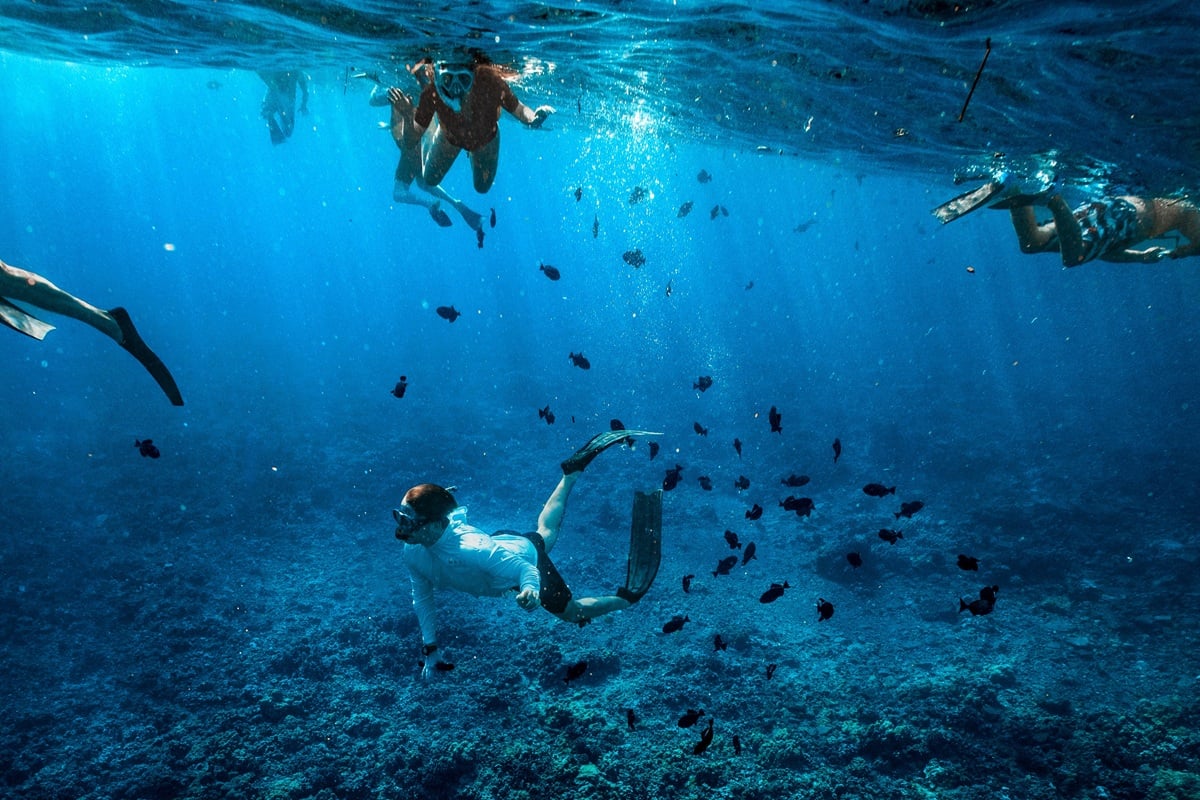
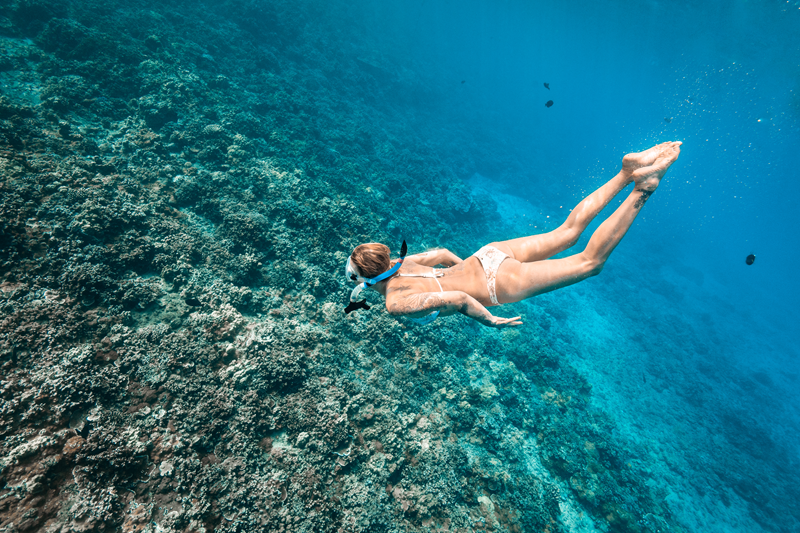
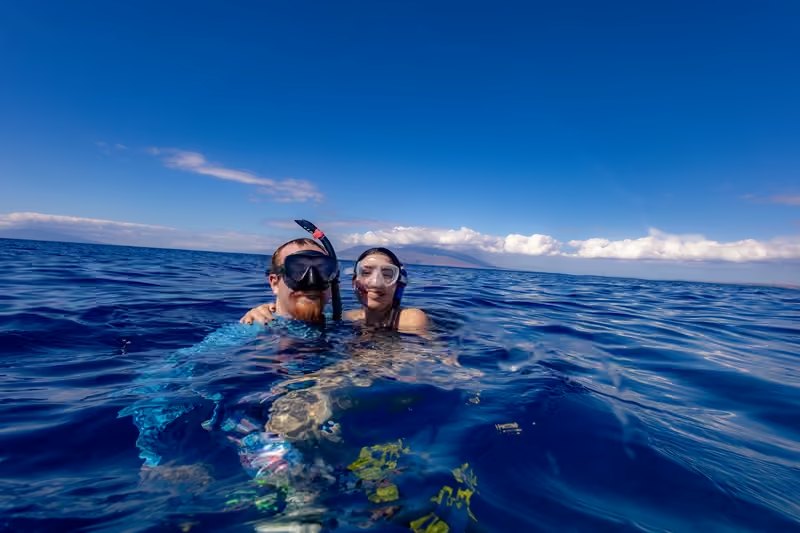
Snorkeling is about watching the reef from the surface. You wear a mask, breathe through a snorkel while its opening stays above water, and use fins to move. You don't need to dive down or hold your breath to enjoy it.
On a boat trip, the experience includes the ride as well as the reef. You'll have time to get your equipment fitted, hear the briefing, and ask questions before you enter. Afterward, you can compare fish sightings over lunch instead of repacking a beach setup.
Less Equipment To Learn, More Help Getting Started
Our public tours include a mask, snorkel, fins, flotation options, instruction, and crew support. Meals and nonalcoholic drinks are included, and the Lani Kai II has shaded seating and restrooms. For capable swimmers trying snorkeling for the first time, that support can make unfamiliar equipment feel more manageable.
You still need to be comfortable in deep water and able to swim independently. Our Maui Snorkeling for Beginners Guide explains what to expect before your first outing.
What A Maui Scuba Experience Is Like
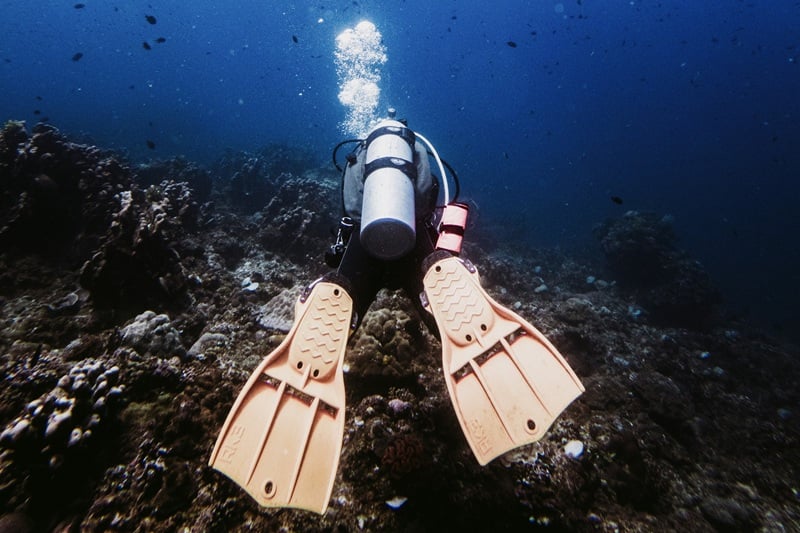
Scuba changes your perspective. Instead of looking down at the underwater landscape, you move through it while breathing gas supplied from a cylinder through a regulator. Staying submerged lets you observe reef features from different angles and spend time at a depth appropriate to your training.
The equipment also includes a buoyancy-control device, gauges or a dive computer, and other gear suited to the dive. Learning to use it is part of the experience, not an inconvenience to rush through.
Introductory Scuba Isn't The Same As Certification
A supervised introductory experience lets eligible beginners try scuba without already holding a certification. You receive instruction and practice basic skills before any guided ocean portion. That session doesn't make you a certified diver or qualify you to rent equipment and dive independently afterward.
Already certified? A guided shore dive or boat charter may fit your vacation without a new course. Tell the operator your certification level, recent diving experience, and any refresher needs before selecting a trip.
Certification, Swimming Ability, And Medical Considerations
Snorkeling Doesn't Require A Certification Card
For our tours, first-time snorkeling is welcome; first-time swimming isn't. Anyone entering needs to swim on their own, stay comfortable face-down in deep water, and follow the crew's instructions. Flotation supports those abilities rather than replacing them.
Scuba also requires comfort in the water and the right skills. PADI Open Water Diver certification includes swimming and floating assessments. Don't treat a cylinder or a flotation device as a workaround for not being able to manage yourself in the water.
Handle Medical Questions Before Your Vacation
Scuba students complete a medical questionnaire, and some responses require a physician's approval before participation. Request the current form early rather than discovering a clearance requirement at check-in. Questions about a condition, medication, recent illness, or surgery belong with a qualified clinician familiar with diving medicine.
Snorkeling also involves physical exertion and breathing through equipment. It's not automatically a medically suitable substitute when scuba isn't advised. Discuss health concerns with your clinician and explain your needs to the operator. This guide compares activities; it doesn't provide individual medical clearance.
Typical Time And Cost Differences
Snorkeling usually involves less preparation than learning to scuba, but it isn't automatically the shortest or cheapest individual outing. A certified diver's short shore dive can take less time than a morning snorkel cruise. An introductory scuba session can also fit into one part of a day.
Full certification is a different commitment: knowledge development, confined-water practice, and open-water training dives. It commonly takes multiple days, with timing based on your progress and the course schedule. Completing study beforehand can free up vacation time, but it doesn't replace the required practical training.
Compare Actual Outings, Not Just Activity Labels
The examples below use published prices checked on September 22, 2026. They illustrate different trip formats, not an islandwide average or an operator ranking. Advertised trip length isn't continuous time in the water.
The three-hour snorkeling option offers a lower-priced organized ocean outing than the introductory scuba example here. Meanwhile, the certified shore dive is shorter than either snorkel cruise. The real advantage of snorkeling for a newcomer is less training and equipment to learn, not a promise that every dive takes longer.
Check the full total: equipment rental, instruction or course materials, boat charges, meals, transportation, parking, and applicable taxes or fees. Bring a towel for our tours; harbor transportation, parking, gratuity, optional wetsuits, and optional photo purchases cost extra.
私たち ツアー比較ページ has current snorkeling prices and inclusions. For the separate decision between a boat and a beach outing, read Whether a Maui Snorkel Tour is Worth it.
Depth, Visibility, And Marine-Life Expectations
You Don't Have To Go Deep To Enjoy The Reef
Snorkeling keeps you at the surface, but that doesn't mean the bottom is within standing depth. At a boat-accessed reef, there may be considerable water beneath you. Choose around your swimming comfort, not the assumption that snorkeling means shallow water.
Scuba provides a closer view of deeper reef features, within your training and the operator's limits. Introductory programs, junior divers, and certified divers don't all have the same depth limits. Deeper isn't automatically better; an interesting shallow dive can be more rewarding than chasing a number.
Different Perspectives, Overlapping Wildlife
Reef fish, coral, and sea turtles aren't exclusive to scuba. Snorkelers may see them too, depending on the location and the day. Divers can examine the reef's structure from below the surface, while snorkelers enjoy a wider view from above.
Neither activity guarantees turtles, sharks, rays, or a particular visibility distance. Wind, swell, runoff, and the chosen site matter. Use our マウイ島シュノーケリングコンディションガイド for context, not as personal safety clearance.
Before either outing, browse our マウイ島の魚類識別ガイド. Recognizing a butterflyfish or parrotfish can make an ordinary reef pass feel like a discovery. Give wildlife space and keep yourself and your equipment off coral.
Which Is Better For Families And First-Time Ocean Visitors?
For a family of capable swimmers who want one shared reef outing, snorkeling is often the simpler starting point. No certification course needs coordinating, and boat amenities give everyone a place to take a break. A shorter afternoon trip may fit better than spending the entire day on the water.
For children, consider actual swimming ability, mask comfort, attention span, and willingness to participate. A child who enjoys a pool may still find open water unfamiliar. Don't let the excitement of a booking become pressure to get in.
Scuba can be an excellent choice for an interested, eligible child or teenager who wants to learn. Minimum ages, supervision, and depth restrictions depend on the program and operator. Meeting an age threshold doesn't mean you're ready for the activity.
For either option, discuss mobility needs, equipment fit, and entry and exit arrangements before paying. A boat ladder, beach entry, or bulky equipment may affect your decision. Our Guide to Choosing by Swimmer Type helps you plan around the people coming with you.
Molokini Snorkeling Versus Molokini Diving
You reach Molokini by boat, whether you plan to snorkel or scuba dive. Snorkeling typically focuses on viewing the inner crater's reef from the surface. You can enjoy the offshore setting without making scuba training part of your vacation.
A suitable scuba trip lets certified divers explore the submerged reef from a different level. Some operators also offer back-wall dives, but those aren't interchangeable with a beginner introduction. The outer wall is steep and exposed to currents, and operators may require advanced skills and recent experience.
私たち モロキニクレーターシュノーケリングツアー is a five-hour morning outing with planned visits to Molokini and a second reef, often Turtle Town. It isn't a scuba charter. The Molokini Visitor Guide explains access and the setting.
Depending on the boat, conditions can change the destination. Here's How our Captains Choose the Day's Reef. Don't treat a crater booking as a guaranteed route.
Can You Do Both During One Maui Vacation?
Yes. You can enjoy a snorkeling day together and schedule a separate scuba outing for those who want it. Snorkeling first may help you get familiar with a mask and mouthpiece, but it doesn't count as scuba training or prove readiness to dive.
Plan scuba around flights and altitude changes, not just dinner reservations. Ascending after diving can increase decompression-sickness risk. Share your flight times and any Haleakalā or other high-elevation plans with your dive professional before booking, and follow the appropriate waiting guidance.
DAN's flying recommendations depend on your dive profile and assume you have no decompression-sickness symptoms. They aren't a universal clearance for mountain travel. Build the required interval into the itinerary instead of hoping everything fits afterward.
Tell the dive professional about other planned water activities too, especially breath-hold diving. An easy-looking second activity shouldn't replace a considered plan for your whole day.
How To Choose Based On Comfort, Budget, And Available Time
Choose snorkeling when you're a capable swimmer who wants reef views, less equipment to learn, and an outing that doesn't require certification training. It's a strong fit when included gear, crew support, and a three-hour option solve more vacation problems than deeper access would.
Choose introductory scuba when you're genuinely excited to breathe underwater and willing to complete the screening, instruction, and skills practice. Choose a program designed for first-time divers rather than assuming any scuba ticket will work.
Choose a certified dive trip when you already have the appropriate credentials and recent skills, and underwater exploration is a priority. The right dive may deserve a place on your itinerary even if snorkeling is easier to organize.
Final Thoughts: Pick Your Perspective On Maui's Reefs
Snorkeling and scuba aren't competing levels of a vacation achievement. One offers the pleasure of watching from the surface; the other adds time submerged and a different set of skills. Choose the experience that makes you curious, not the one you feel you ought to do.
For a straightforward reef outing with equipment and help getting started, snorkeling has plenty to offer. You don't have to go deeper to bring home a great ocean memory.