1985年からマアラエア港(Maʻalaea Harbor)からモロキニクレーター、タートルタウン、コーラルガーデンのツアーを運航する、Maui Snorkelingチームによって作成されました。ツアーは、沿岸警備隊免許を持つ船長が船上で指揮をとります。
米国沿岸警備隊査察済み旅客船. 私たちは、陸上よりもこれらの海域で多くの時間を過ごします。.
簡単な回答
Portuguese man o war in Maui are most commonly found along bays and beaches during strong onshore winds. If you see them on the sand or warnings posted, don’t swim or snorkel in that area because they can still sting even after washing ashore. If you’re stung, don’t rub the area, remove tentacles carefully, and get help from a lifeguard or medical professional if symptoms are severe.
主な要点:
- Most Common Trigger: Strong onshore winds can push man o war toward shore
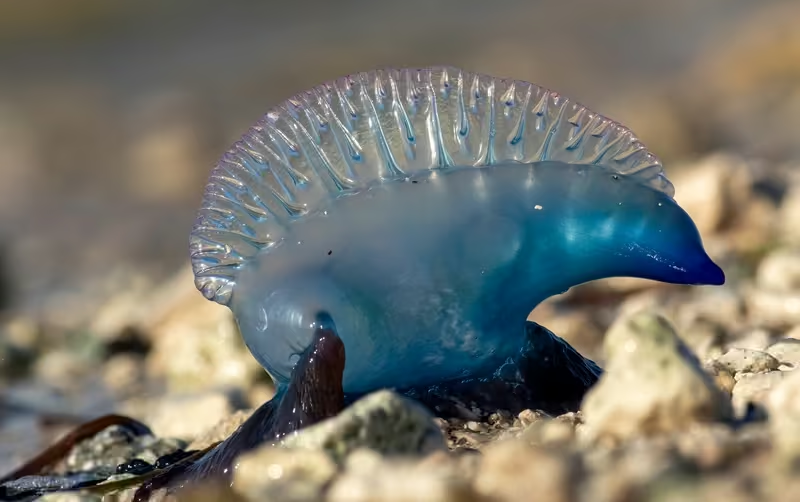
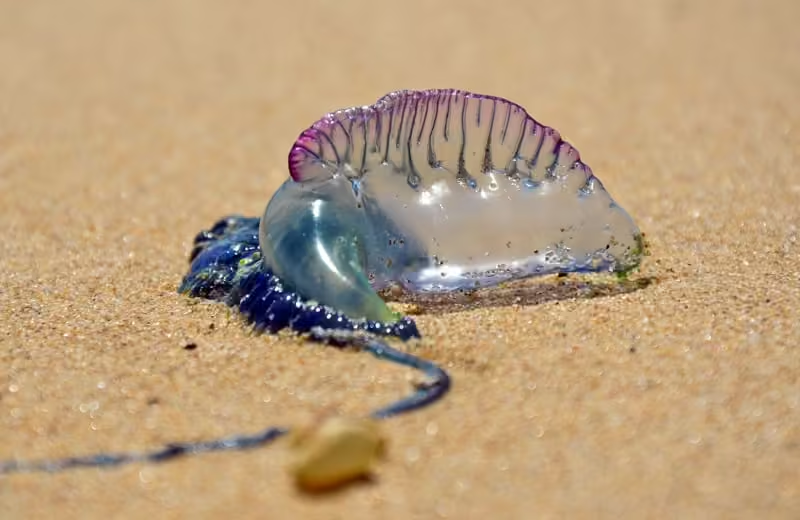
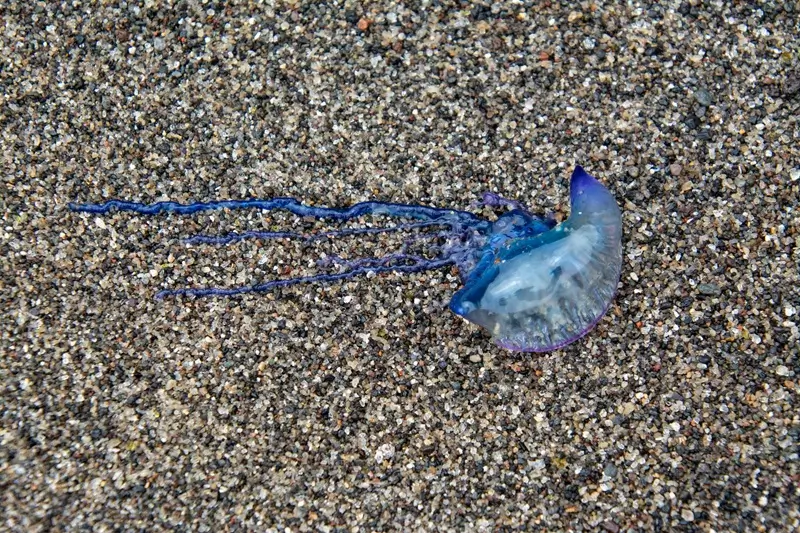
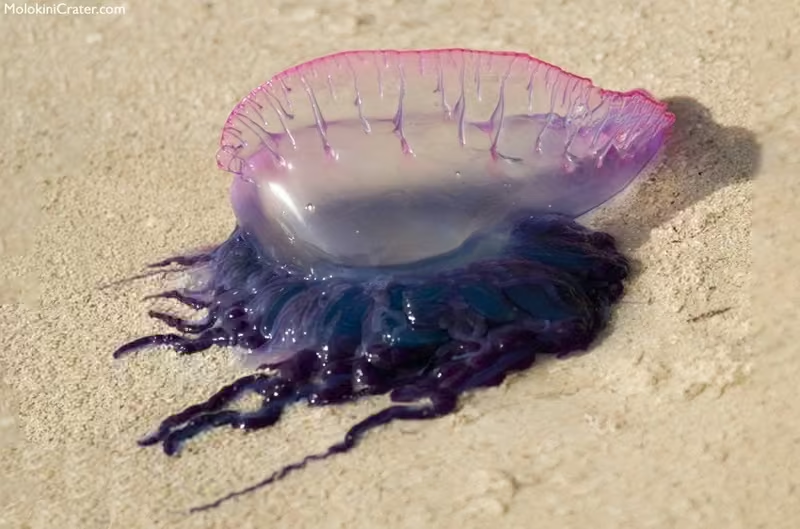
- What They Look Like: A small blue purple float with tentacles below
- 触れないでください: They can sting even after washing up on the beach
- Best Move: Switch beaches or make it a beach day instead of forcing a snorkel
- 安全のヒント: If you’re stung, don’t rub, remove tentacles carefully, and get help if symptoms are severe
You’re having a perfect Maui beach day. The water looks dreamy, your snorkel plans are strong, and then you spot something on the shoreline that looks like a tiny blue balloon with serious attitude.
That might be a Portuguese man o' war.
They’re weirdly beautiful, definitely not your new beach buddy, and they can still sting even after they wash up on the sand. This guide keeps it simple: how to spot them, when they show up, what to do if you see them, and what to do if you get stung.
What Is A Portuguese Man O' War?
A Portuguese man o' war is often called a jellyfish, but it’s actually a floating colony of organisms that work together. The giveaway is the little float on top that sits at the surface like a tiny sail.
Below that float are long tentacles used to catch prey. Those tentacles are the problem for humans because they can deliver a painful sting.
One more important detail: a man o' war can still sting after it washes ashore. So yes, even the “dead one” on the sand deserves your full respect.
How To Spot A Man O' War On Maui Beaches
If you know what to look for, you can spot them fast and avoid an annoying vacation story.
Look For A Blue Or Purple Float
The float can look blue, violet, or pink, and it may resemble a small balloon or a glossy plastic bubble. If the sun hits it just right, it can look extra bright and tempting to pick up. Do not do that.
Watch The Shoreline Wash Zone
Many stings happen when people step into shallow water or walk barefoot near the waterline, where tentacles can be hiding. If you see a few on the beach, assume there could be more in the shallows.
Check For Posted Warnings
At lifeguarded beaches, posted warning signs matter. If a beach is actively warning about jellyfish or man o' war, it’s not the day to “try your luck.”
Why Man O' War Show Up In Maui
In Hawaiʻi, Portuguese man o' war are most commonly found along bays and beaches during strong onshore winds.
That means your man o' war odds go up when the wind is blowing toward the shoreline on the side of the island you’re visiting. If it’s windy and the shoreline looks extra churned up, it might be a better beach walk day than a swim day.
If you want a simple plan for choosing safer snorkel spots when it’s windy, use our guide: 風の強い日にマウイ島でシュノーケリングを楽しむのに最適な場所.
Can You Swim Or Snorkel When Man O' War Are Around?
Here’s the simple rule that keeps your trip fun: if you see Portuguese man o' war on the beach or warnings posted for them, don’t get in the water in that area.
If you still want snorkeling that day, your best move is to switch locations to a more protected spot, go earlier when it’s calmer, or choose a guided tour where the captain selects the best snorkel site for conditions.
For a quick “is this a good snorkel day” checklist, use: マウイ島シュノーケリングコンディションガイド.
What To Do If You See Man O' War On The Sand
- 触れないでください: Not with your hand, not with your foot, not with a towel, not with a “I’ll just move it” plan.
- Keep Kids Back: Kids see a shiny blue balloon and their brains say “toy.” Help them out.
- Wear Slippers: If you’re walking the shoreline, sandals beat bare feet.
- Pick A New Spot: If they’re scattered along the beach, it’s usually a sign the waterline has them too.
What To Do If You Get Stung
First, get out of the water and stay calm. Most stings are painful but manageable. The bigger risk is panicking, slipping on rocks, or getting hit by waves while you’re distracted.
Step 1: Don’t Rub It
Rubbing can spread stinging cells and make things worse.
Step 2: Remove Any Tentacles Carefully
If tentacles are stuck to skin, remove them carefully using tweezers or a barrier like gloves. Avoid using bare hands if you can.
Step 3: Get Help If A Lifeguard Is Nearby
At lifeguarded beaches, go straight to the lifeguard for first aid. If symptoms are severe, get medical care right away.
Step 4: Heat Helps Pain In Many Cases
Research-based guidance often recommends hot water or a hot pack at a safe temperature to help with pain after stings. If you’re not sure what to do in the moment, get help from a lifeguard or medical professional.
Call 911 right away if someone has trouble breathing, swelling of the face or mouth, widespread hives, chest pain, fainting, or severe symptoms, especially for kids or anyone with a history of allergies.
How To Lower Your Sting Risk On Maui
- Snorkel Early: Mornings are often calmer and clearer.
- Skip Wind-Blown Shores: Strong onshore wind can push stinging creatures toward beaches.
- Wear A Rash Guard: Skin coverage can reduce minor stings and scrapes.
- Don’t Rush In: Watch the shoreline for a minute before you enter.
- Have A Backup Plan: If it looks sketchy, make it a beach day instead.
最終的なご意見
Portuguese man o' war in Maui is a real thing, especially during strong onshore winds. They’re easy to avoid if you know what to look for: blue purple floats, tentacles near the wash zone, and posted warnings.
If you see them, don’t touch them, don’t get in the water in that area, and switch to a calmer plan. Your vacation is supposed to feel fun, not spicy.
ソースと更新情報
Use these trusted resources to confirm man o' war risk patterns in Hawaiʻi, identification basics, first aid research, water quality advisories, and marine weather before your beach day.