執筆者
マウイ シュノーケリング, 1985年以来、マアラエア港からモロキニ・クレーター、タートル・タウン、コーラル・ガーデンへのツアーを運航しています。ツアーは、米国沿岸警備隊の免許を持つ船長が乗船し、
米国沿岸警備隊の検査を受けた旅客船.
簡単な回答
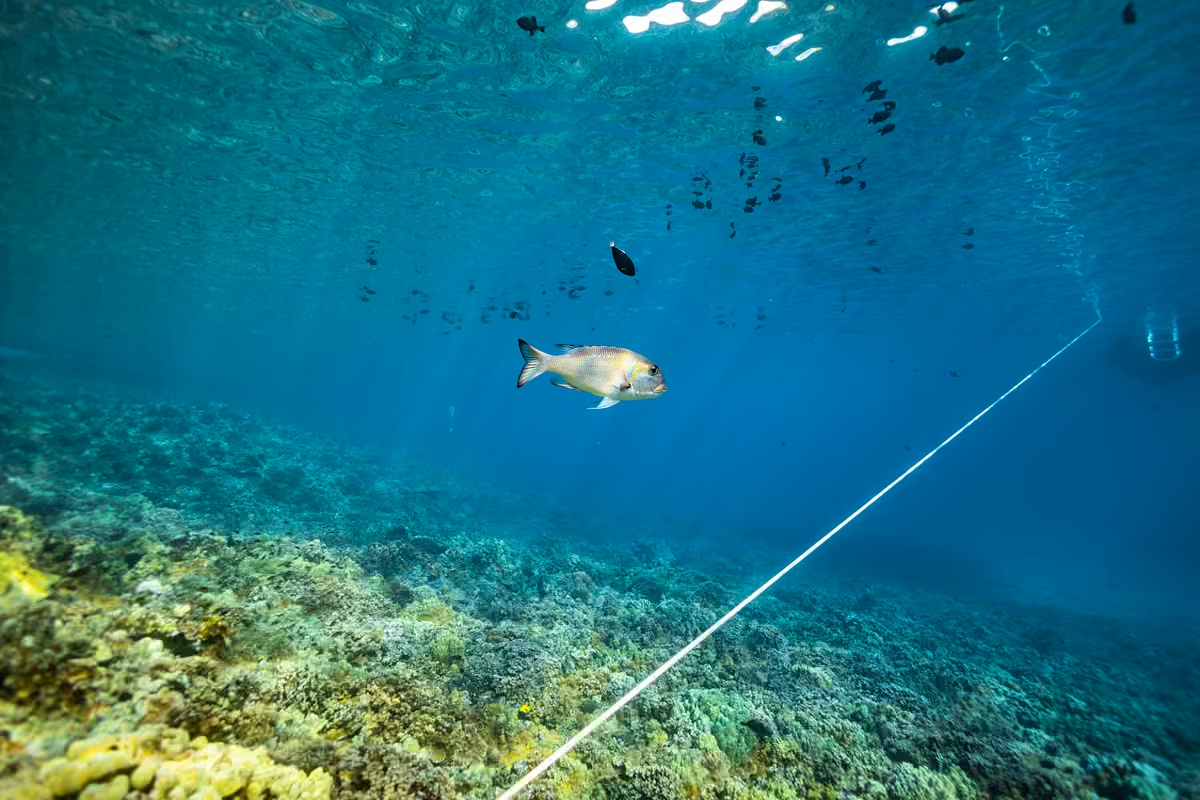
ザ bigeye emperor (Monotaxis grandoculis), known in Hawaiian as mū, is a silvery reef fish with large eyes, a rounded forehead, and thick lips. It's native to Hawaiʻi but also lives elsewhere in the Indo-Pacific. Snorkelers may see it hovering alone or in groups above reef habitat, although sightings aren't guaranteed. Look for its distinctive face first, because its dark body bars can appear or fade.
主な要点:
-
その他の名称: Bigeye bream, humpnose big-eye bream, and mu refer to this same reef fish.
-
Identification: Combine the large eye, deep body, yellowish lips, and changeable bars rather than relying on color.
-
Size: Large individuals can reach about 24 inches, but that isn't a typical sighting size.
-
食べ物 Molar-like teeth help crush hard-shelled prey, including marine snails and crabs found near reefs.
-
行動: Feeding is mainly nocturnal, but daytime sightings can include fish hovering above the bottom.
-
Viewing: Watch without chasing, feeding, or leaving your buddy to follow a fish toward deeper water.
Some Maui reef fish catch your attention with brilliant colors. The bigeye emperor does it with a face you won't forget: oversized eyes, a rounded forehead, and thick lips that give it a permanently surprised expression. Then it glides away so smoothly you might barely notice its fins moving.
Known in Hawaiian as mū, this silvery reef fish is worth adding to your snorkeling wish list. Learning a few identifying features can turn an uncertain glimpse into that satisfying moment when you recognize exactly what you're looking at.
Here's how to identify a bigeye emperor in Maui, understand its changing appearance, and enjoy an encounter without chasing the fish or overlooking the reef around it.
What Is A Bigeye Emperor?
ザ bigeye emperor (Monotaxis grandoculis) is a reef-associated fish in the emperor family, Lethrinidae. It's the only naturally occurring emperor species (Lethrinidae) regularly encountered in Hawaiʻi. You may also find it called the bigeye bream or humpnose big-eye bream. In Hawaiʻi, the name to remember is mū, sometimes written as mu in fish guides and searches.
It's native to Hawaiian waters, but it isn't found only here. Its wider range stretches across the Indo-Pacific, including the Red Sea, East Africa, and islands throughout the region. Seeing one in Maui means meeting a member of Hawaiʻi's marine community, not a species unique to the islands.
How To Identify A Bigeye Emperor In Maui
Start with the face, then check the body shape and markings. Several reef fish look silvery from a distance, so color alone won't give you a confident identification.
Look For The Large Eye And Rounded Forehead
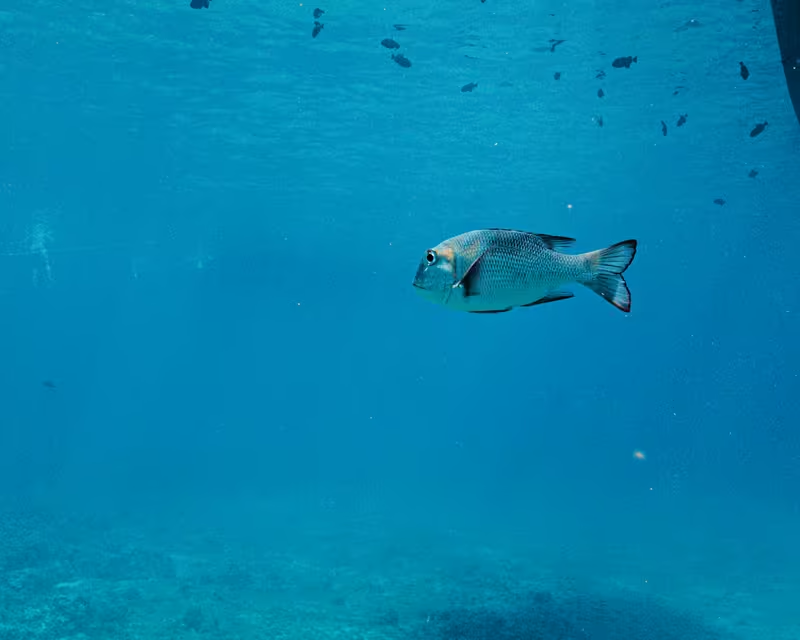
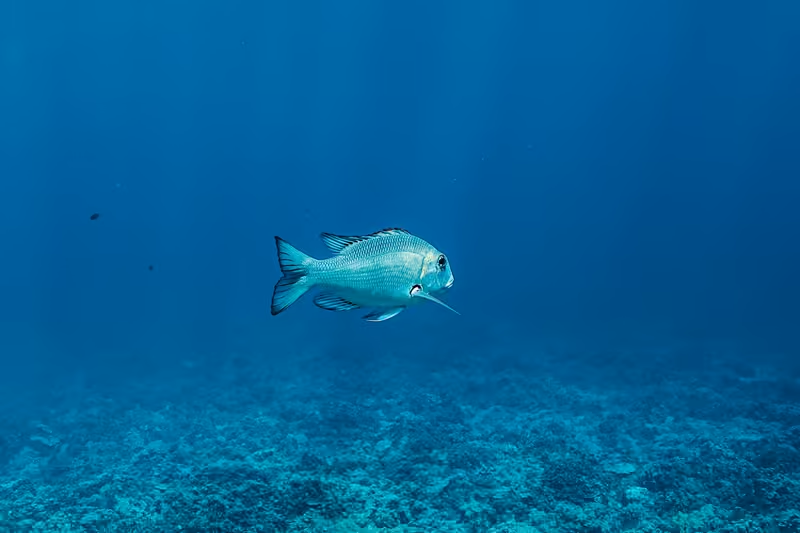
The eye is the feature that earns this fish its name. Pair that oversized eye with a rounded, steep forehead and a deep, oval-looking body. The tail is forked, and larger adults have noticeably thick lips.
A side view is especially helpful. It lets you compare the head profile, body depth, and tail at once, instead of trying to identify a fish swimming straight toward you.
Notice The Lips And The Base Of The Side Fin
Adults are generally silvery-gray, often with a bluish-gray upper body. Yellowish lips and yellow around the eye can add color to the face. Another useful detail is the dark patch where the pectoral fin, the side fin just behind the gill cover, meets the body.
You may not see every feature clearly in one pass. Remember the overall shape first, then use a photograph to check smaller details afterward.
Don't Rule It Out Because The Bars Look Different
A bigeye emperor may look mostly silver or display broad dark bars across its body. Juveniles have a more strongly patterned appearance, with dark saddle-like markings separated by pale areas and a dark bar through the eye.
Those markings can make a younger fish look surprisingly different from a large adult. Use the eye and head shape alongside the pattern, rather than expecting every mū to match one reference photo.
How Big Do Bigeye Emperors Get?
Bigeye emperors can reach about 24 inches, or 60 centimeters, in total length. That's the reported maximum, not the size you should expect every fish to be. A commonly reported length is closer to 16 inches, or 40 centimeters.
Use those numbers for perspective rather than as an underwater measuring assignment. A smaller, boldly marked individual and a much larger silver fish can belong to the same species. Size helps, but the combination of features matters more.
Can Bigeye Emperors Change Color?
Yes. The bars aren't painted on permanently. Adults can shift from a relatively plain appearance to a strongly barred pattern, while young fish have their own distinctive markings.
That makes identification more interesting than matching a fish to one color swatch. A photo of a barred mū and a photo of a mostly silver mū don't automatically show different species.
Compare several features before deciding. Our マウイ島の熱帯魚識別ガイド is a useful starting point for sorting out the other fish you notice during the same swim.
What Do Bigeye Emperors Eat?
Behind that expressive face is a mouth built for working through a crunchy meal. Bigeye emperors eat bottom-dwelling animals such as marine snails, crabs, sea urchins, and brittle stars.
Their front teeth help grip prey, while molar-like teeth farther back crush hard shells. This feeding strategy differs from simply picking algae off the reef.
Sand and loose reef rubble are therefore part of the story, not empty space between the interesting coral. They hold animals that fish feed on. On your next snorkel, look at the whole underwater landscape rather than concentrating only on the brightest coral patch.
Daytime Hovering And Nighttime Feeding
Bigeye emperors feed mainly at night, but they can still be seen during the day. You may encounter one on its own or notice several hovering together above the reef.
The hovering is part of their appeal. They can seem almost stationary, then drift away as a swimmer approaches. Resist the urge to close the gap repeatedly. Watching from where you are lets you enjoy the behavior instead of turning the sighting into a pursuit.
A daytime encounter is plenty to aim for. Their nocturnal feeding habits aren't a reason to extend an ordinary snorkeling outing into dusk or darkness.
Where Might You See A Bigeye Emperor Around Maui?
Think about reef habitat beside sand and rubble, rather than one guaranteed beach. Bigeye emperors use coastal reefs and reef slopes, and much of their depth range extends well below an ordinary surface snorkeler's close-up view.
They've been photographed at Molokini, including at depths around 60 feet. Those records confirm their presence, but they don't guarantee you'll see a fish from the surface on your visit. They also aren't directions to explore the crater's back wall independently. For a closer look at the reef fish and other wildlife found around the crater, explore our モロキニの海洋生物ガイド.
For a snorkeling day, the better plan is a suitable reef, clear visibility, and enough time to observe what's there. Scan the water above the bottom as well as the reef itself. A hovering fish can be easier to miss when you're only looking into coral crevices.
当社の best places to snorkel in Maui guide to compare outings around your group's needs. On a boat trip, stay within the crew's designated area rather than following a fish toward deeper water. Treat a mū sighting as a bonus, not the test of a successful snorkel.
Mū vs. Kūmū: Bigeye Emperor Or Goatfish?
Both can draw your attention around sand and reef, but goatfish have a particularly useful identifying feature: two whisker-like barbels beneath the chin. They use those barbels to search for food.
Bigeye emperors don't have those paired chin feelers. However, a goatfish can tuck its barbels away, so not seeing them in one quick glance isn't enough to settle the identification. Compare the head and body too. Our マウイ島のヒラメ釣りガイド shows what to look for.
A Reef Fish That Can Live For Decades
Here's a detail that might change how you look at a passing mū: a study of Hawaiian bigeye emperors recorded individuals up to 23 years old. The study included both males and females older than 20.
That doesn't tell you the age of the fish in front of your mask. It does offer a little perspective: a brief vacation sighting can involve an animal with a long life in the ocean.
How To Watch And Photograph Mū Responsibly
Give the fish room to carry on naturally. Don't feed it, reach toward it, or try to steer it into better light. If it keeps moving away, let it go.
For an identification photo, try to include the whole body and a clear view of the head. A short video can help you review the shape and markings afterward. Use the view available from your comfortable swimming position rather than chasing a close-up.
Keep your fins off the reef, stay with your buddy, and check your position between photos. Our マウイ島シュノーケリング写真ガイド has more practical camera tips, while our マウイ島のサンゴ礁ガイド explains the habitat beneath you.
Final Thoughts On Bigeye Emperors In Maui
A bigeye emperor doesn't need neon stripes to make an impression. The huge eye, rounded face, shifting bars, and unhurried hover give you plenty to notice once you know what to look for.
Keep those clues in mind, leave room for the fish to move, and enjoy the rest of the reef along the way. Spotting mū would be a memorable addition to your Maui snorkel, but learning to notice more is something you can take into every swim.
ソースと更新情報
These references support identification and natural history. Colors vary, and documented sightings aren't a prediction for your trip.