執筆者
マウイ シュノーケリング, 1985年以来、マアラエア港からモロキニ・クレーター、タートル・タウン、コーラル・ガーデンへのツアーを運航しています。ツアーは、米国沿岸警備隊の免許を持つ船長が乗船し、
米国沿岸警備隊の検査を受けた旅客船.
簡単な回答
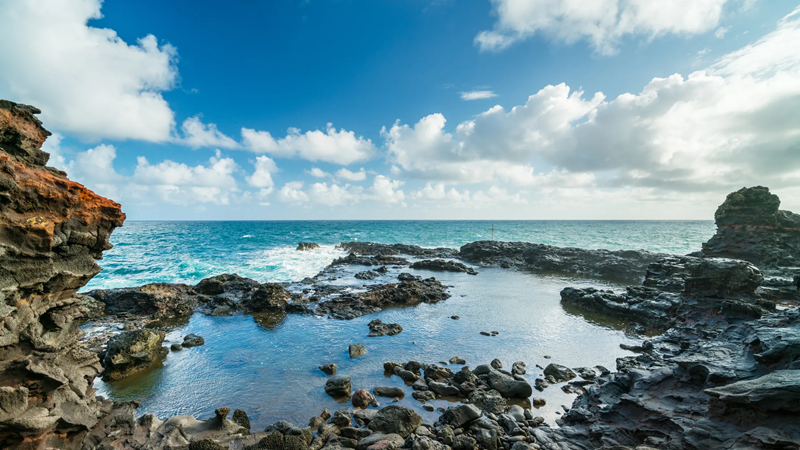
マウイ島の潮だまり offer a closer look at the island’s smaller marine life, from busy hermit crabs to tiny fish and sea urchins. Lower tides during daylight can make shoreline pools easier to see, but low tide doesn’t guarantee a suitable viewing spot. Enjoy what you can observe from established shoreline access, leave marine life undisturbed, and skip exposed rocks and lava shelves.
主な要点:
- いつが良いか 干潮時、日中、そして穏やかな海況
- ご覧になる内容: 小さな魚、ヤドカリ、オピヒ、ロリ、ウニ、エビ、藻類
- 安全規則: 濡れた岩場には近づかないで、決して海に背を向けないで。
- 子供向けアドバイス: 見るだけで、触ったり持ち帰ったりしないでください。また、波に洗われた岩には子供を近づけないようにしてください。
- 以下の場合はスキップしてください: 高波、強風、濁った水、または波が岩に打ち寄せている
小さな海の生き物、奇妙な小さな魚、そして子供も大人も同じように興奮させる「あれ、これは何?」といった発見が好きなら、, マウイ島の潮だまり 陸上から海洋生物を観察する楽しい方法になり得る。.
しかし、まず最初に明確にしておきたいのは、潮だまりは天然のプールではないということです。マウイ島の岩だらけの海岸線は、十分に敬意を払うべき場所です。潮だまりを楽しむのに最適な日は、穏やかで、乾燥していて、静かで、安全第一の日です。.
このガイドでは、いつ観察すべきか、何が見られる可能性があるか、子供たちの安全を守る方法、そして岩場の海岸線は完全に避けるべき場合について説明します。.
潮だまりとは何ですか?
潮だまりとは、潮が引いた後に岩場の海岸に残る小さな海水の溜まりのことです。そこには、小さな魚、カニ、ナマコ、オピヒ(マグロの一種)、藻類、カタツムリ、エビ、その他の小さな海洋生物が生息しています。.
それらは基本的に小さな海の窓のようなもので、とても素晴らしい。同時に、それらは非常に繊細な生息地でもあるので、あなたの仕事は観察し、学び、そしてすべてを元の場所にそのまま残しておくことだ。.
マウイ島の潮だまりを訪れるのに最適な時期
潮だまりの最高のコンディションは、通常、以下のすべての条件が揃ったときに発生します。
- 干潮時: さらに多くの潮だまりやサンゴ礁の縁が見えるかもしれません。.
- 穏やかな海: 岩に打ち寄せる波はなかった。.
- 日光: 穴や鋭い岩、そして変化する水の流れを見つける必要があります。.
- 高波なし: 波が高い場合は、潮だまりは完全に避けた方が良いでしょう。.
- 大雨による流出なし: 茶色や濁った水は使用禁止です。.
Check a tide prediction station near the coast you’re visiting, choose your date, and make sure the times are shown in Hawaiʻi local time. Then check the surf forecast separately. Low tide doesn’t necessarily happen in the morning, and a tide chart won’t tell you how far waves might reach.
より広範な海洋計画チェックリストについては、 マウイ島シュノーケリングコンディションガイド.
マウイ島で潮だまりを探す場所
Small marine-life discoveries can be a fun bonus to a Maui beach day.
These shoreline areas aren’t five guaranteed tide-pooling stops:
public access, pool visibility, and ocean exposure vary.
Olivine Pools is included to explain why we don’t recommend it for
swimming or tide-pool exploration.
| Shoreline Area |
最適な使用方法 |
Planning Notes |
Viewing Guidance |
|
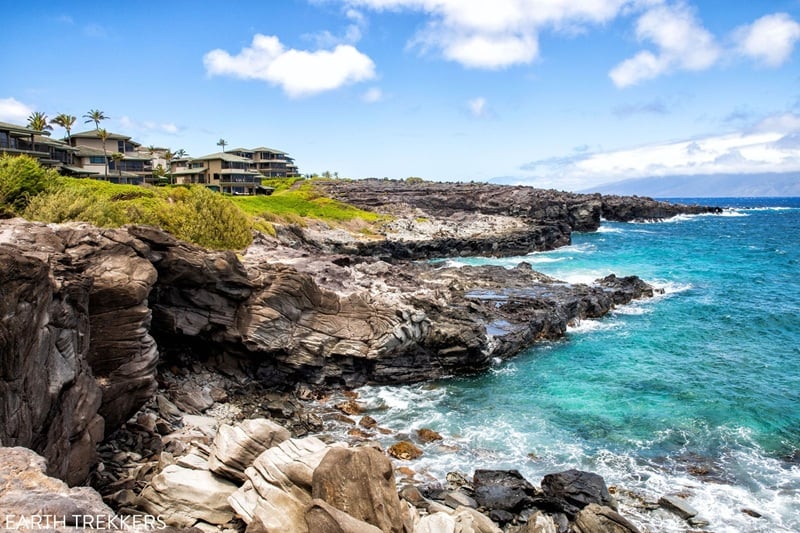
カパルアの潮だまり
West Maui Shoreline
|
Coastal scenery and possible marine-life observations from
established public shoreline access
|
Lower tides may reveal more pools, but access and ocean
exposure vary along the coast.
|
Follow marked access routes and posted signs. Don’t climb
onto exposed lava shelves to reach a pool.
|
|
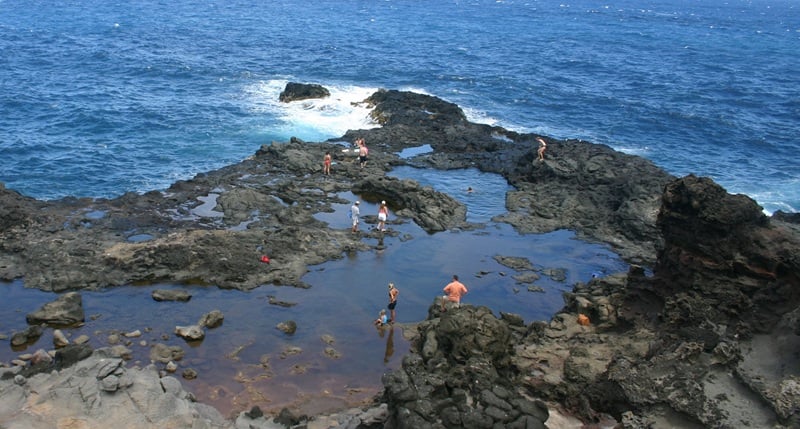
オリビン・プールズ
Northwest Maui Coastline
|
Not recommended for swimming or tide-pool exploration
|
Low tide and calm-looking pools don’t remove the risk of
waves sweeping across the exposed lava shelf.
|
Don’t descend onto the shelf or enter the pools.
Choose established coastal viewpoints instead.
|
|
ナピリ湾の岩場
West Maui Beach Setting
|
Beach time with possible small-pool observations from shore
|
Lower tides may reveal shoreline pockets, but breaking
surf and surge can affect the rocky edges.
|
Keep off coral and exposed rocks. Don’t round the rocky
points or enter pools to search for marine life.
|
|
Keawakapu Beach Rocky Areas
南マウイ海岸線
|
A beach walk with possible marine-life sightings near
shoreline rocks
|
Check tide timing for your visit. Lower tide doesn’t
necessarily happen in the morning.
|
Observe without entering pools, handling animals, or
crossing sharp or slippery rock.
|
|
カマオレIII岩場地帯
Kīhei Beach Park
|
Picnics, grassy park space, and coastal views, with
shoreline discoveries as a possible bonus
|
Plan around enjoying the beach park rather than making
tide pools the main attraction.
|
Keep children close and back from rocky edges.
The park’s family-friendly amenities don’t make its
rocky shoreline a play area.
|
注意 Low tide and dry rocks aren’t a safety guarantee.
If waves are reaching the rocks or you’re unsure about access or
conditions, skip tide pooling and enjoy Maui Ocean Center or an
inland activity instead.
海に出かける前に、マウイ島のシュノーケリングコンディションを確認しましょう。
Five Tips For Enjoying Maui Tide Pools
A little preparation leaves more room for the fun part: noticing what’s living in these tiny habitats.
- Watch the ocean: Keep track of incoming waves, including while taking photos.
- Give exposed edges space: Avoid lava shelves, blowholes, and wave-washed ledges. Dry rocks aren’t proof that waves can’t reach them.
- Wear shoes with grip: Choose secure footwear and watch for slippery surfaces, uneven footing, and sharp rock.
- Look without reaching: Keep hands and feet out of holes and crevices, and don’t enter pools or move rocks to uncover animals.
- Leave the habitat as you found it: Enjoy photos instead of collecting shells or marine life, and follow posted signs and barriers.
マウイ島の潮だまりによく見られる生き物
Pause for a moment and you might spot a moving shell, a tiny fish,
or an urchin tucked into a crevice. Here are some types of marine
life to look for in Maui tide pools and nearby shallow reef habitats.
| 動物または海洋生物 |
注目すべき点 |
どこで目にする可能性があるか |
視聴のヒント |
|
ヤドカリ
小さな貝殻移動器
|
Small shells moving across the bottom, sometimes with tiny
legs peeking out
|
Shallow pools, rocky edges, and sandy pockets between rocks
|
Watch quietly rather than picking up the shell. Let the
crab continue on its way.
|
|
ʻOpihi
岩に付着したカサガイ
|
Low, cone-shaped shells attached firmly to rock surfaces
|
Rocky intertidal shorelines, often where waves wash the rock
|
Enjoy from a distance. Don’t approach wave-washed ledges
or pry limpets from rocks.
|
|
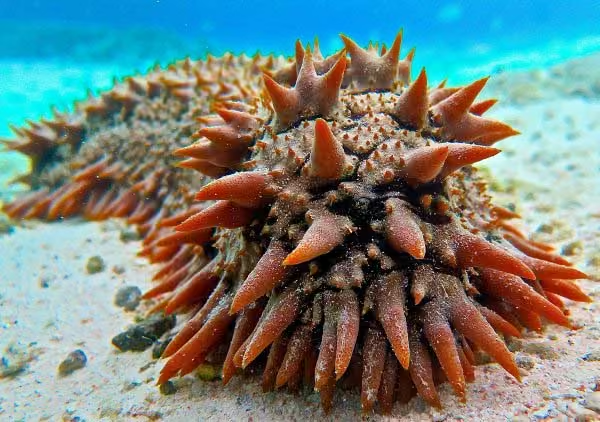
ナマコ
ロリ
|
Slow-moving, elongated animals that may look like dark
or bumpy tubes
|
Shallow reef habitats and pools with sandy or rocky bottoms
|
Let them rest where they are. Don’t lift, squeeze,
or poke them.
|
|
ウニ
Several Species
|
Rounded animals covered in spines that vary in length
and color by species
|
Rock crevices, shallow reef pockets, and tide pools
|
Look without reaching into holes or touching spines.
Give these tucked-away residents plenty of space.
|
|
Small Fish
Tide Pool Residents And Juveniles
|
Tiny swimmers or fish resting near rocks. Not every
small fish is a juvenile.
|
Pools with crevices, algae, and other cover; residents
can include gobies and blennies
|
Stay still and watch for movement. Don’t chase fish
or block their hiding places.
|
|
エビ
Tiny Crustaceans
|
Small crustaceans with antennae, sometimes translucent
or patterned
|
Rocky crevices, shaded pool edges, and areas with cover
|
Look for movement without stirring up sediment
or moving rocks.
|
|
カタツムリ
Small Shelled Residents
|
Small shells on rocks or among algae, sometimes moving
so slowly they’re easy to miss
|
Rocky edges, crevices, and algae-covered surfaces
|
Leave shells in place, even when they look empty.
Watch without handling them.
|
|
藻類と海藻
潮だまりの生息地
|
Green, brown, or reddish growth attached to rocks
or moving gently in the water
|
Pool edges, shallow basins, and rocky reef surfaces
|
Leave it attached. Algae and seaweed provide food
and shelter for small marine life.
|
注意 Look closely without entering pools,
moving rocks, collecting shells, or handling animals.
A quiet pause can reveal much more movement than you noticed
at first.
Want a handy identification reference? Save the
Hawaiian Tidepool and Shallow Reef Identification guide (PDF)
to your phone before your visit.
旅行前にマウイ島の海洋生物についてもっと調べてみよう
Sea Cucumber. Photo Courtesy of
オーシャン・コンサーバンシー
お子様向けの潮だまり観察のヒント
大人がゆっくりと安全に配慮すれば、潮だまりは子供たちにとって素晴らしい場所になり得る。.
- 到着前にルールを設定してください。 “「私たちは見るだけで、触ったり取ったりはしません。」”
- 岩の近くで手をつないでください。 ミスはあっという間に起こる。.
- 靴を履いたままにしてください。 鋭い岩やウニは、裸足には適していません。.
- 波から離れてください。 子供は波が打ち寄せる岩棚の近くには決して近づいてはいけない。.
- 少し好奇心を持ってきてください。 子どもたちには、物を拾うのではなく、色や形、動きを見つけるように促しましょう。.
子供たちが海岸の危険を気にせずに海洋生物をもっと見たいなら、マアラエア近郊にあるマウイ・オーシャン・センターは素晴らしい代替アクティビティになるでしょう。.
マウイ島の潮だまりとシュノーケリング:どちらがあなたの一日をより充実させるのに良い?
Tide pools offer a closer look at tiny shoreline creatures, while
snorkeling lets you explore a wider underwater world. Compare these
options based on your group’s interests, ocean-swimming experience,
and the day’s conditions.
| 活動 |
最適 |
最高のコンディション |
留意事項 |
|
Tide Pool Viewing
Marine Life From Shore
|
Curious families and visitors who enjoy spotting small
marine life without entering the water
|
Daylight, calm seas, and suitable public shoreline viewing
access; lower tide may reveal more pools
|
Low tide and dry rocks don’t guarantee safety. Stay off
exposed ledges and leave pools undisturbed.
|
|
ショアシュノーケリング
A Beach-Based Reef Visit
|
Experienced ocean swimmers who want flexible timing
and underwater reef views from the beach
|
Calm, clear water, light winds, and a suitable entry and
exit after checking local hazards and water-quality advisories
|
Go with a buddy, ask a lifeguard about conditions when
available, and watch for currents, shorebreak, and fatigue.
|
|
Guided Snorkeling Tour
Crew-Supported Reef Viewing
|
Experienced ocean swimmers who want crew guidance,
including those trying snorkeling for the first time
|
Suitable conditions for the boat crossing and snorkeling
site, with the captain choosing the route
|
Crew guidance and flotation don’t replace swimming ability.
Routes can change, and trips may be canceled.
|
注意 Let conditions set the plan. If your chosen
activity isn’t suitable that day, enjoy an inland outing and save
marine-life exploring for another time.
潮だまりを完全に避けるべき時
以下のいずれかの兆候が見られた場合は、潮だまりの観察は避けてください。
- 高波注意報または警報
- 岩に打ち寄せる波
- 立つ必要がある濡れた岩棚
- 茶色または濁った流出水
- 強風と荒れた海岸線
- 水から離れていられないほど興奮している子供たち
- 「これは怪しいかもしれない」という感覚“
マウイ島には、常に魅力的なアクティビティが揃っています。無理に岩場の海岸で一日を過ごす必要はありません。.
最終的なご意見
マウイ島の潮だまりは、島の海洋世界の小さくて魅力的な生き物たちを観察するのに最適な場所です。潮が引いている時、海が穏やかな時だけ訪れ、滑りにくい靴を履き、子供から目を離さず、海洋生物を捕まえたり触ったりしないでください。.
そして覚えておいてください。最高の海の日は、全員が無事で、笑顔で、次の冒険にワクワクしながら終わる日です。.
ソースと更新情報
Use these resources to check tide timing, surf conditions, shoreline
safety, and water quality before your visit, and to help identify
the small marine life you might spot.